

THE SMALL STUFF
Little fixes for helping ensure you don’t lose big fish
Advertisement
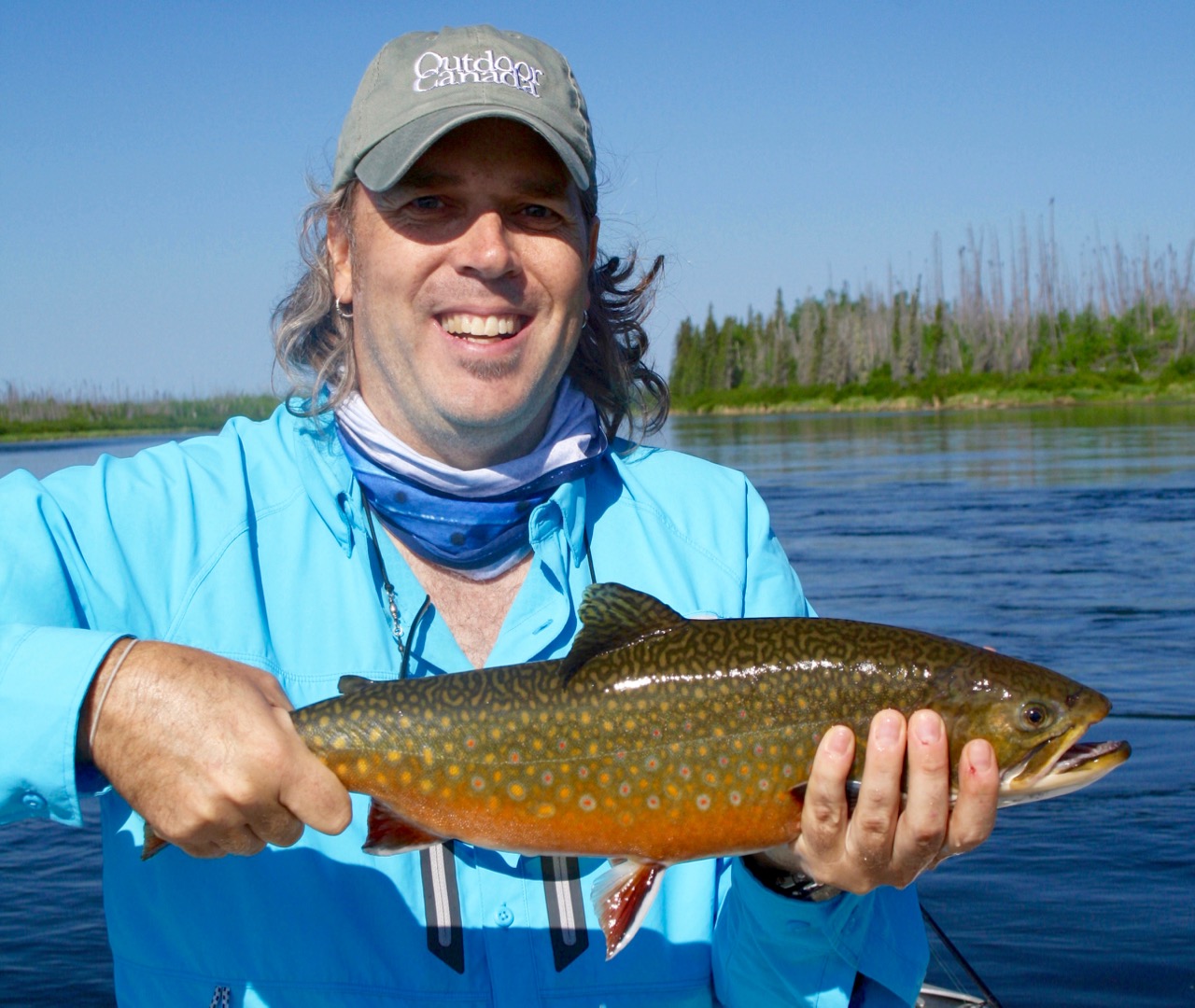
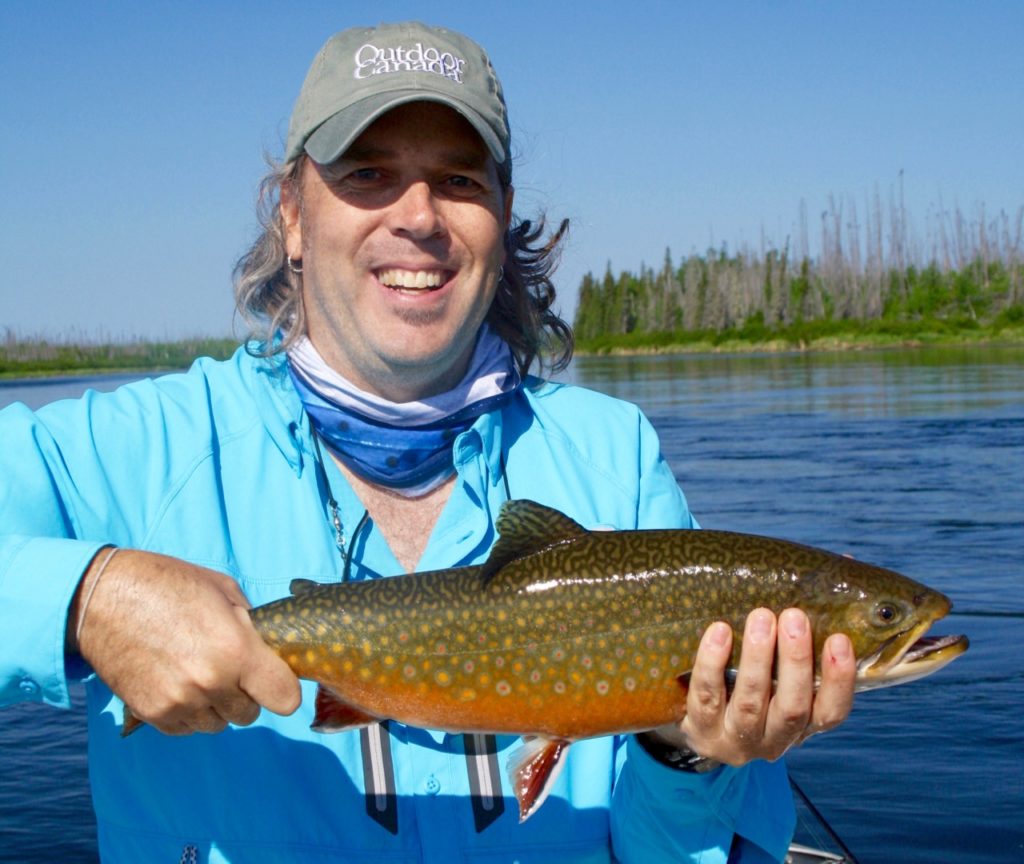 The brook trout that didn’t get away
It was an angling pinnacle, closely followed by humiliation and disappointment, and it didn’t have to happen. After a boisterous fight, I’d just released a 21-inch brook trout back into northern Manitoba’s wild and rocky Gods River. I immediately cast again into the same roiling plunge pool and hooked another huge trout. Moments later, it broke off, and I instantly knew why. In my eagerness, I’d forgotten to check my leader after landing the previous fish. And sure enough, the mono had broken in a section that was clearly abraded.
Frequently checking your leader for weak spots is one of those little things we should all do, yet often don’t bother. We get lazy, complacent or think it doesn’t really matter. Now I know better. I’ve also adopted a few other fly-fishing habits that involve a little short-term pain for a lot of long-term gain. None of these are secret, or groundbreaking. They’re more like being made to eat your broccoli—a little tiresome, but very, very good for you.
Advertisement
#1 PRACTISE YOUR CASTING
Almost every fly-fishing guide I’ve ever met has one wish—for anglers to practise casting before arriving on the water. We all get rusty, but it’s a shame to waste fishing time as you work out the kinks. Even a few 20-minute sessions on the lawn will do wonders, especially if you focus on accuracy and consistency, which are usually more important than distance. Just remember that actual fishing, with wind, trees and other complications, is always harder. So, you need to be good enough that even if your skills are diminished by on-the-water adversity, you’re still competent.
Legendary fly angler Flip Pallot has observed that a credit card will get you almost everything in fly fishing, except what matters most. Money can provide you with the finest gear, skilful guides and take you to the world’s best fishing destinations, but you can’t buy the last 40 feet. Only skill, developed over time, will put the fly in front of the fish. So that last 40 feet is the true measure of what you’re willing to invest.
#2 KNOW YOUR KNOTS
Fly anglers need three types of knots: one to tie on a fly, one to join pieces of leader tippet and one to connect the leader and fly line. We all have our favourites, but whatever knots you use, you need to know them very well. You need to be able to tie them perfectly in dim light and with cold hands, as well as in a rocking boat or standing in a rushing river, shaking with excitement as a huge fish rises nearby. Unless you’ve just had a couple of fingers field amputated, there’s no excuse for knot failure. In fact, there’s no such thing as knot failure—a slipped connection is angler failure. Again, the key here is practice.
Advertisement