


THE GREAT ONES
Honouring Canada’s very own pioneering heroes of conservation
Advertisement
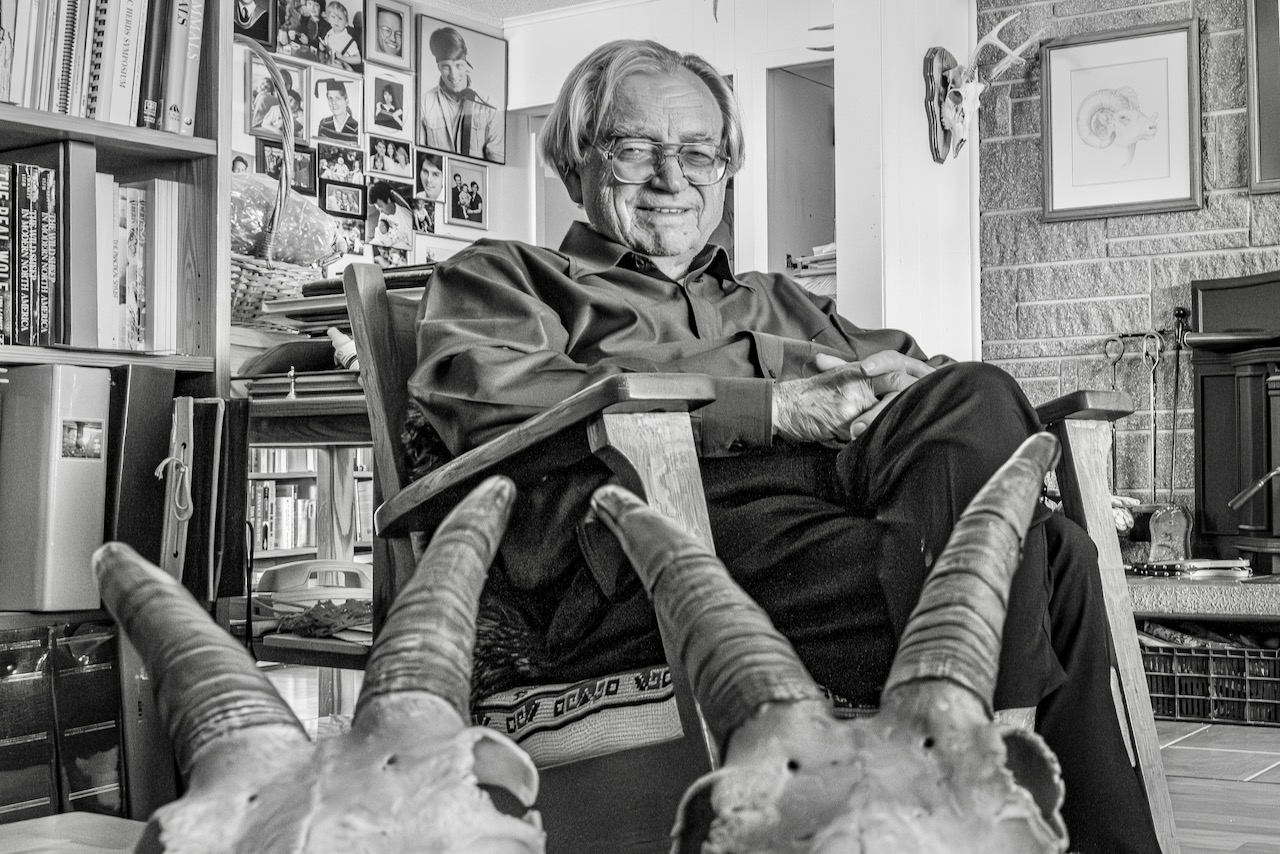
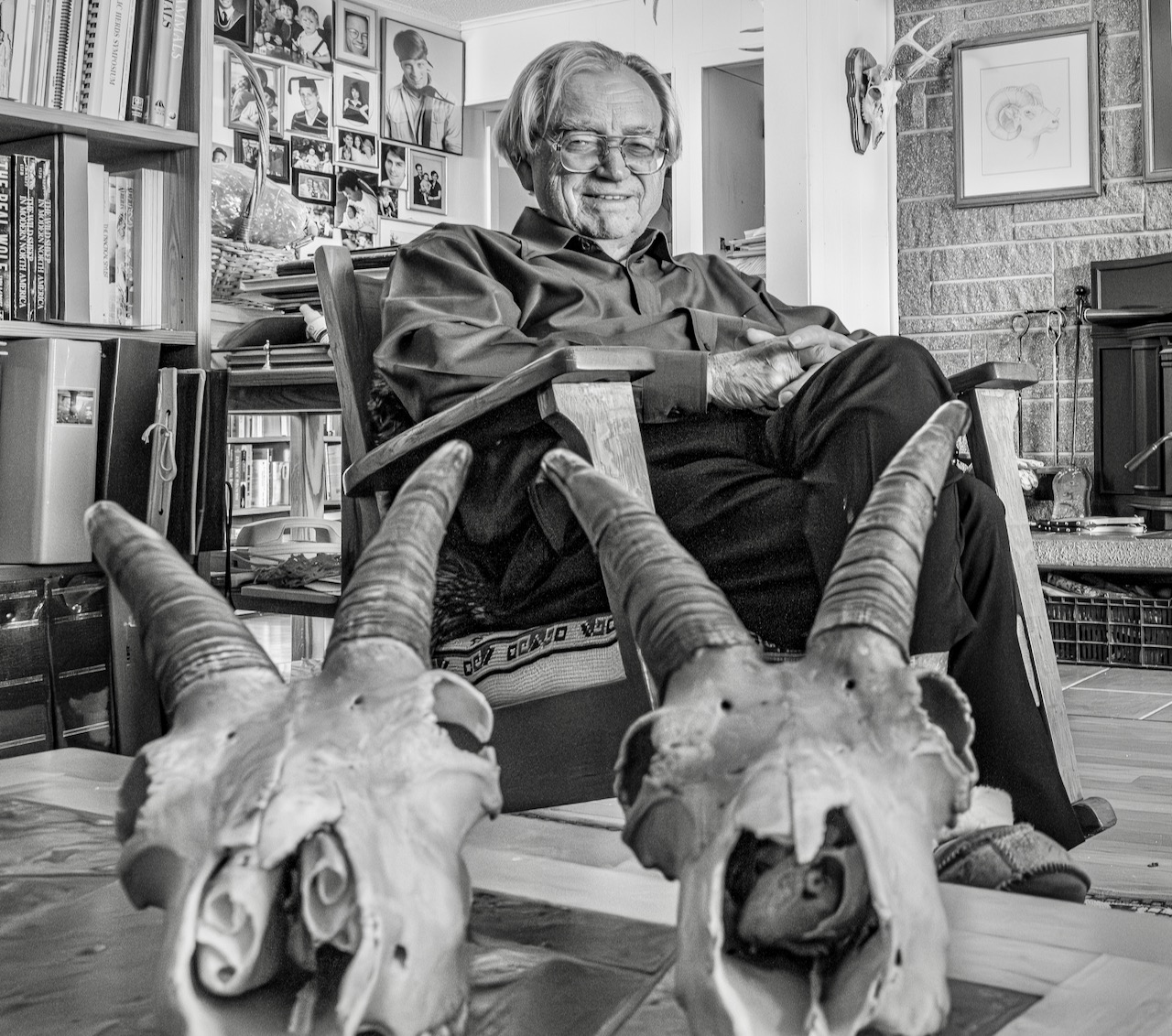 Valerius Geist was a game farm critic (photo: Darryn Epp)
Understanding the history of conservation in Canada is vital to appreciating the foundations of our country’s wildlife polices, and that includes recognizing those who helped shape the ideals we now uphold. While American icons such as Theodore Roosevelt, Aldo Leopold, John Muir, George Bird Grinnell and Rachel Carson influenced conservation efforts across North America, Canada has its own history of conservation giants. Their extraordinary efforts also helped lay the groundwork for how North Americans now approach wildlife and wild places, and that’s a legacy more than deserving of ongoing celebration.
SIR CLIFFORD SIFTON (1861-1929)
A distinguished Manitoba lawyer, entrepreneur and politician, Sir Clifford Sifton played a crucial role in the birth of Canada’s conservation policies. He was appointed federal minister of the interior in 1896, and in 1909 became chair of the Canadian Commission on Conservation, where he led a team of federal and provincial ministers, academics and researchers. Their collaborative efforts produced approximately 200 publications, forming the first comprehensive survey of Canada’s natural resources.
Advertisement
Under Sifton’s leadership, the commission’s work marked the foundation of science-based wildlife management policy and sustainable development in Canada. That approach—making science the primary tool for guiding wildlife policy—is a cornerstone of today’s North American Model of Wildlife Conservation. He was knighted for his efforts in 1915.
CHARLES GORDON HEWITT (1885-1920)
A pioneering economic entomologist, Charles Gordon Hewitt served as Canada’s Dominion Entomologist from 1909 until his death in 1920. Along with his work combating destructive insect pests in the agricultural sector, he was also involved in creating bird sanctuaries and wildlife preserves. As well, he helped negotiate the Northwest Game Act of 1917 to regulate hunting in Canada’s northern territories.
His most significant conservation achievement, however, was his role in establishing the 1916 Migratory Bird Convention, a historic Canada-U.S. treaty to regulate the hunting and commercialization of waterfowl. Ratified by Canada in 1917, the treaty remains the foundation of waterfowl management in North America and is hailed as a landmark in continent-wide conservation efforts.
Advertisement
JOHN THOMAS MINER (1865-1944)
Better known as Jack Miner or Wild Goose Jack, John Thomas Miner was an early champion of waterfowl conservation. In 1904 in Kingsville, Ontario, he established one of North America’s first bird sanctuaries, providing a haven for migratory waterfowl. Miner also pioneered bird banding, attaching more than 90,000 metal bands to ducks and geese. Inscribed with biblical verses, the bands provided crucial data on migration patterns, which helped persuade Ottawa to ratify the Canada-U.S. Migratory Bird Convention in 1917.
Originally a market hunter, Miner is said to have shifted to conservation due his Bible studies. In 1902, he founded the Essex County Game Protective Association to advocate for ethical hunting practices, such as daily bag limits. His legacy endures at the Jack Miner Migratory Bird Sanctuary, which continues to band birds and influence generations of conservationists.
Advertisement
IAN MCTAGGART-COWAN (1910-1920)
Referred to as the “father of Canadian ecology,” Ian McTaggart-Cowan established Canada’s first university wildlife conservation program as professor of zoology at the University of B.C. He supervised more than 100 graduate students, many of whom went on to become leaders in conservation, including Valerius Geist (see below).
An avid hunter, McTaggart-Cowan participated in secret annual meetings with American conservationists, including Aldo Leopold, to discuss public education about conservation. During his career, he authored numerous publications, hosted TV shows and served on a wide variety of advisory boards, all focused on conservation. Among his high-profile appointments, he served as vice-president of the International Union for the Conservation of Nature and Natural Resources, and chair of the Canadian Environmental Advisory Council.
VALERIUS GEIST (1938-2021)
A renowned biologist, hunter and professor at the University of Calgary, Valerius Geist, made lasting contributions to wildlife management. In 1995, he and Ian McTaggart-Cowan co-authored the book Wildlife Conservation Policy, which defined the longstanding principles behind what we now know as the North American Model of Wildlife Conservation.
An expert on the biology of cervids (and canids), Geist was a long-time vocal opponent of game farms; his dire warnings about the risk of diseases migrating to wild game populations were realized with the spread of deadly chronic wasting disease. Geist’s insatiable curiosity and commitment to wildlife endured until his final days, inspiring all who knew him. His passion for asking difficult questions and fostering public discussion left an indelible mark on Canadian conservation.