

STRANGE WATERS
Hard-earned advice for successfully tackling a backcountry lake you’ve never fished before
Advertisement
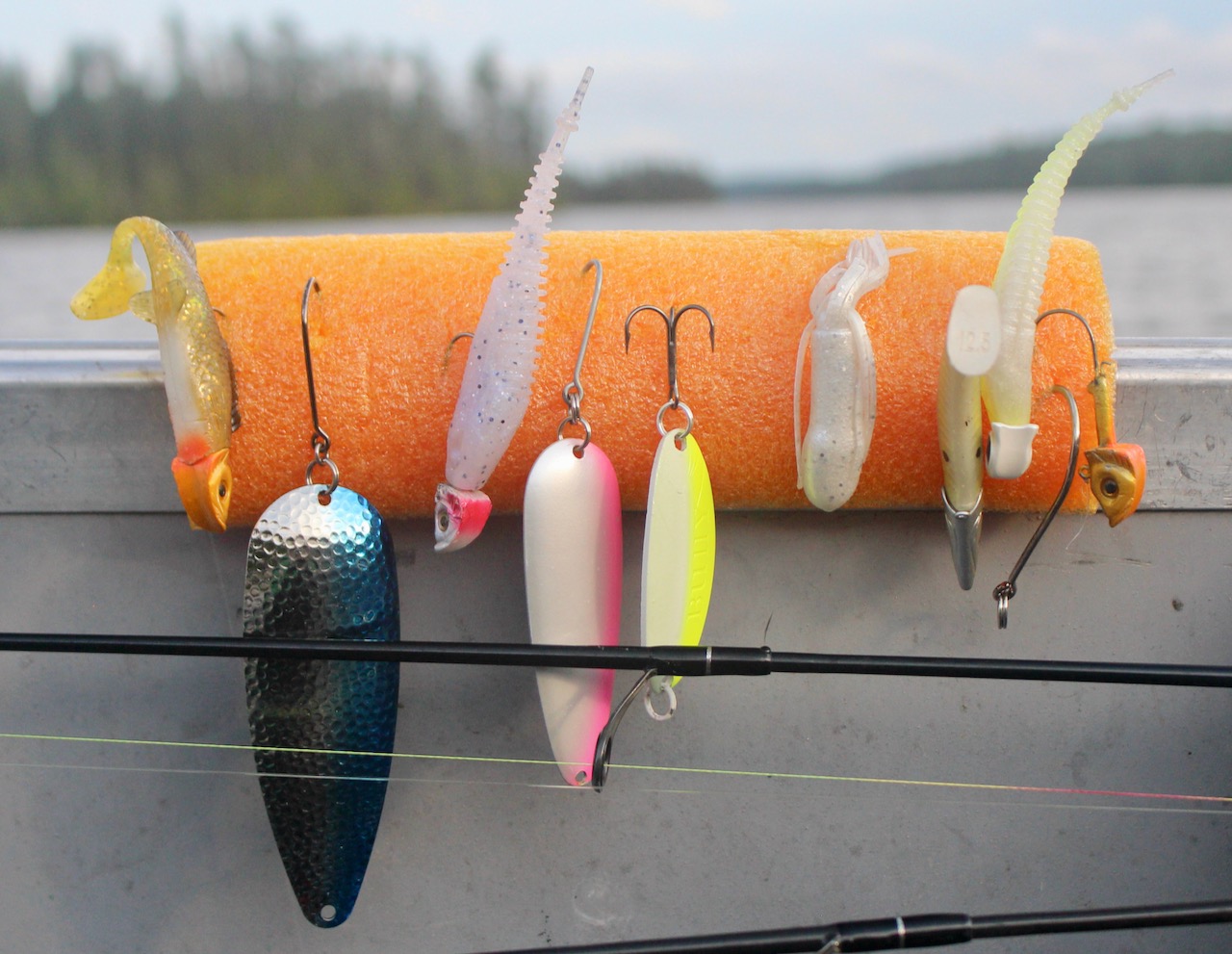 A section of pool noodle wedged on the gunnel made of handy lure storage
#2 PACK FOR PROBABILITY, NOT POSSIBILITY
When hiking, boating or flying into remote water—or going on a fishing road trip in a sub-compact car, as I once did—there are major limits on the weight and bulk of the gear you can bring. This is actually a tactical advantage, since it forces you to prioritize. For our trip to Dayo, we packed trolling and jigging outfits, plus some combos that could perform multiple roles. Between climbing into unfamiliar boats and encountering unexpectedly aggressive screen doors, remote camps can be dangerous for gear. Versatile back-ups are a must-have.
For our heavy jigs and spoons, we packed a variety of weights to cover different depths, but didn’t worry much about colours. Getting a bait in front of the fish usually trumps planning for them to be fussy. We did find the lakers much harder on our soft-plastic swimbait bodies than we expected, to the point we were melting and repairing broken ones in the evenings. If any tackle makers are listening, I caught one memorable trout on a DIY job with a pumpkin body and chartreuse tail.
Advertisement
That said, I do often make space for a couple of new or oddball items. On the Dayo trip, for example, I brought three 12-inch pieces of pool noodle, which we stuck on the gunnels of the boat for lure storage (above). They were amazingly helpful and are now going on all my trips—though maybe in a more pleasing colour than orange.
#3 DECIDE WHAT YOU’RE FISHING FOR
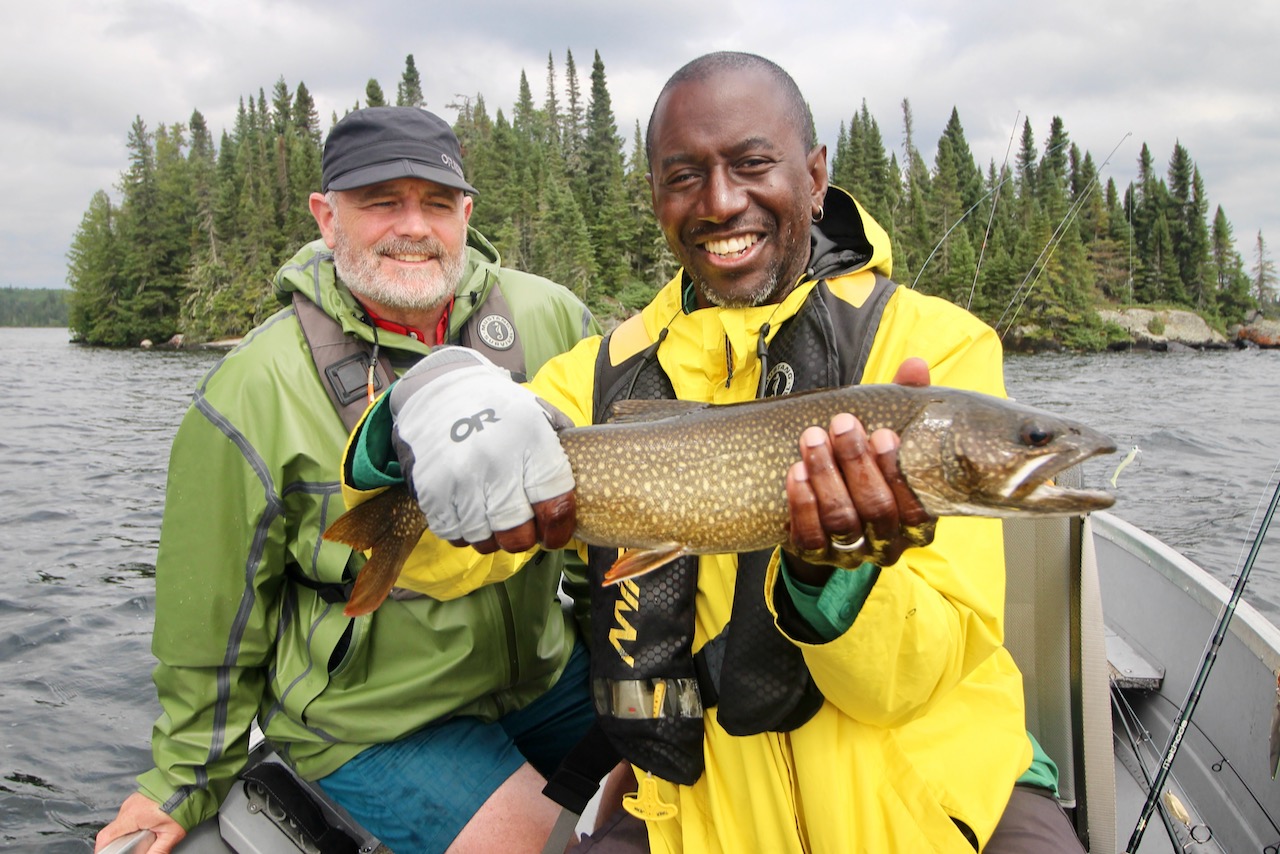
On Dayo, deciding on the target species was easy—it was all about the lakers. But there were also other important choices to make. Did we want numbers or a shot at a big fish? Both demand different tactics, and often different tackle. In the end, we took an approach we’ve used before: spend the early days putting up some numbers, then focus more on trophies once we’d had enough. We caught plenty of memorable trout in the three-to-five pound range, but less so on the trophies. More on that later.
On mixed-species waters, the decision is even more important. Fishing for “whatever’s biting” sounds relaxed and open-minded, but it means you’re never quite fishing for anything. You end up covering too much water, switching tactics too often and mastering nothing.
Advertisement
How you want to fish, meanwhile, matters as much as what you’re fishing for. Do you want to troll, jig or cast? Or do you want to run-and-gun or sit on a spot? Whatever you decide will affect the tackle you pack, and even the people you invite along. Sure, you can adapt your strategy and tactics as you learn more about the lake, but it’s best to address fishing style questions before you go—not on the water when everyone has a different idea and you’re burning daylight.