

BONEFISH ON A BUDGET
Think only the well-heeled can afford a Bahamas bonefish adventure? Think again. Here’s how to get in on the action with breaking the bank
Advertisement
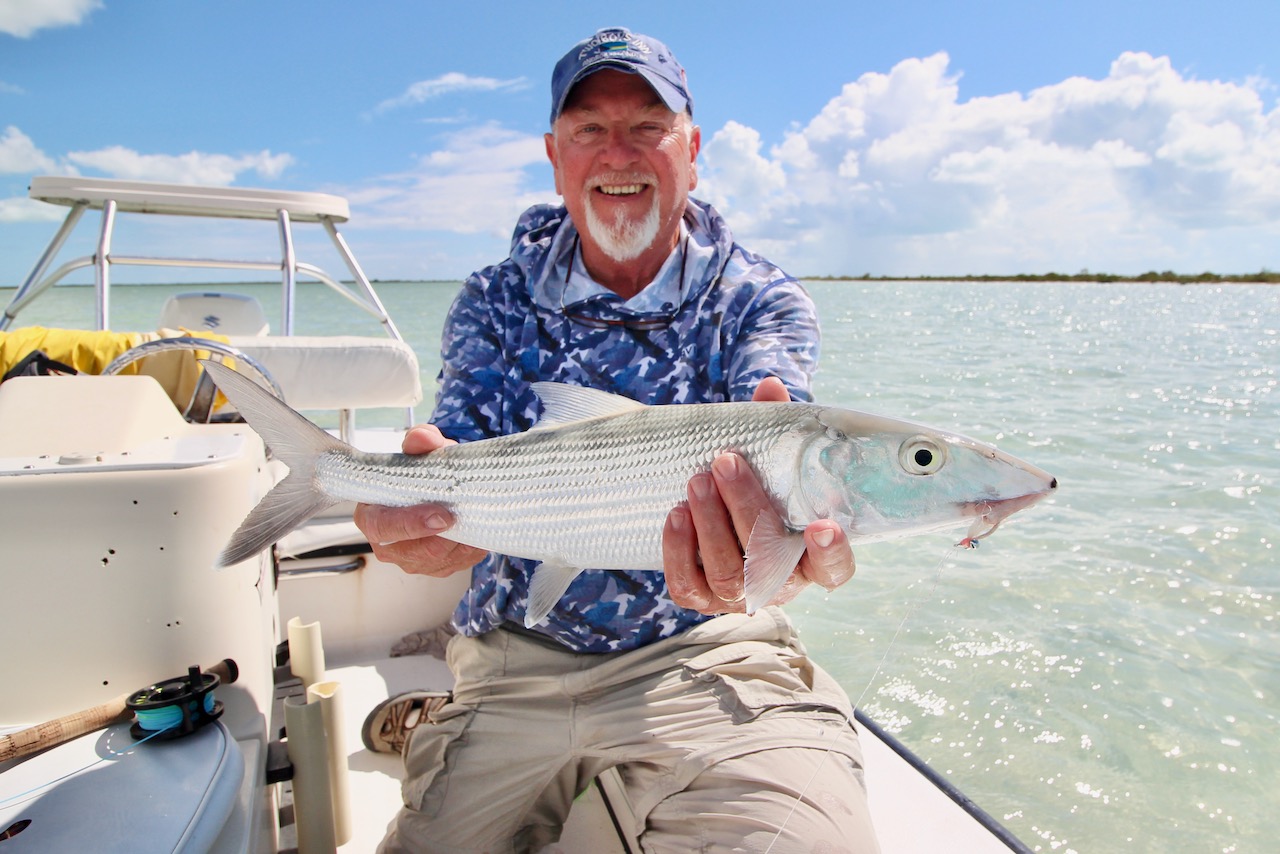
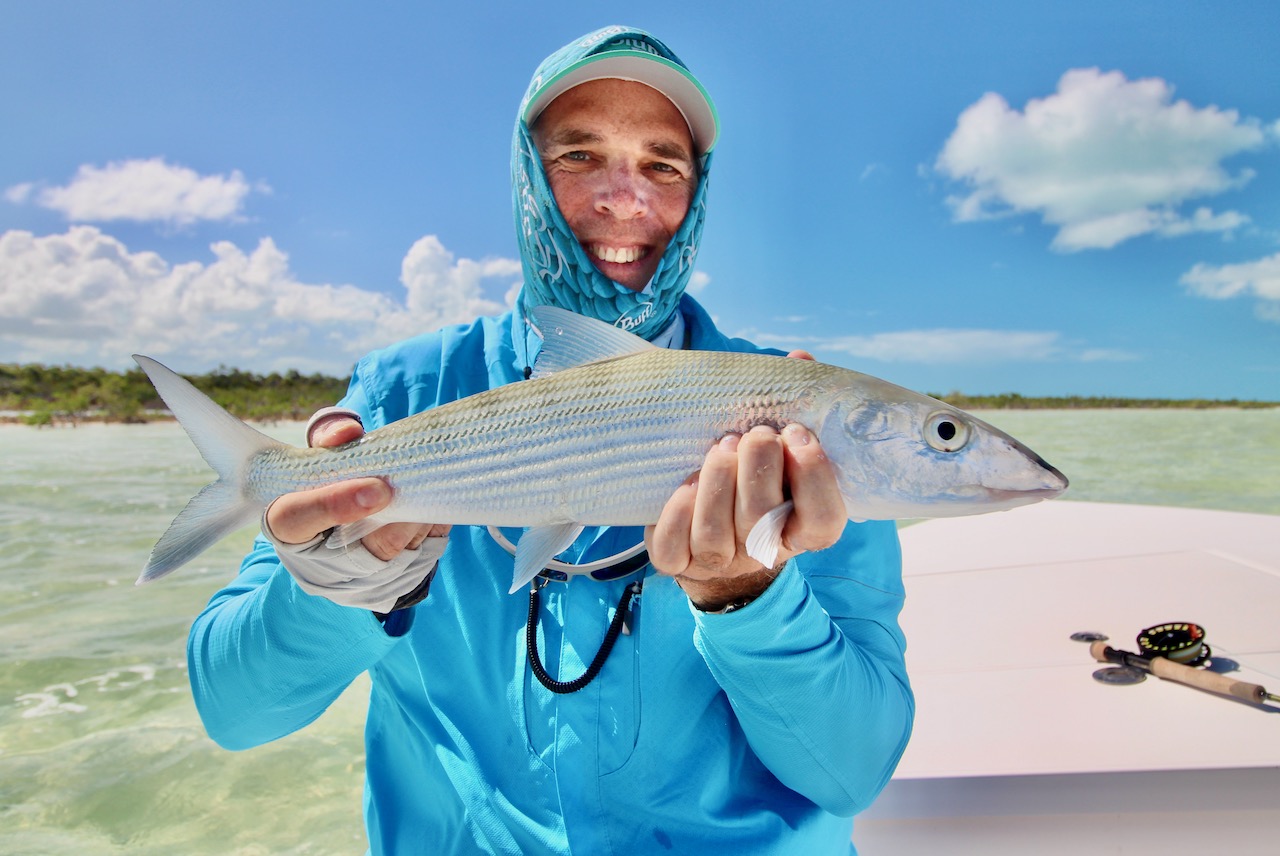 The author’s textbook bonefish
It wasn’t a huge bonefish, at least by Bahamian standards, but it was a perfect specimen: solid and streamlined, with huge eyes, a deeply forked tail and glistening, mirror-like scales. Even better, this particular fish was the product of one of those rare and precious angling moments when everything goes just right.
It was my final afternoon of fishing the saltwater flats around North Andros, one of the Out Islands of the Bahamas, and the scene around me resembled a tropical tourism poster. Not that a poster could capture the feeling of clean salt air in your lungs, and the warm wind whipping your clothing as you stand on a small skiff, intently searching the water for signs of life.
Advertisement
When I first arrived in the Bahamas, there were the usual ups and downs you’d expect on a fishing trip, including some clunky moments as I worked out the kinks after a long layoff from saltwater fly fishing. But on this day, like the one before, I was in the groove. I even spotted the fish before our guide, Andros legend “Crazy” Joe Braynen, saw it. Of course, he’d been washing off his polarized sunglasses when it came into view, along with several other bonefish. But still.
After they emerged from behind a point with the incoming tide, the fish headed across the bow of our boat within easy casting range. I judged their speed and distance, and dropped my shrimp fly into the knee-deep water a few feet ahead of them. It had almost settled to the bottom when I made one short strip to imitate a fleeing crustacean, and the lead fish turned toward it. I let the fly sit for a few agonizing seconds, then the bonefish sucked it up. I set the hook, and the grey ghost of the flats sped across the bay, taking my entire fly line and 50 yards of backing in less than 10 seconds.
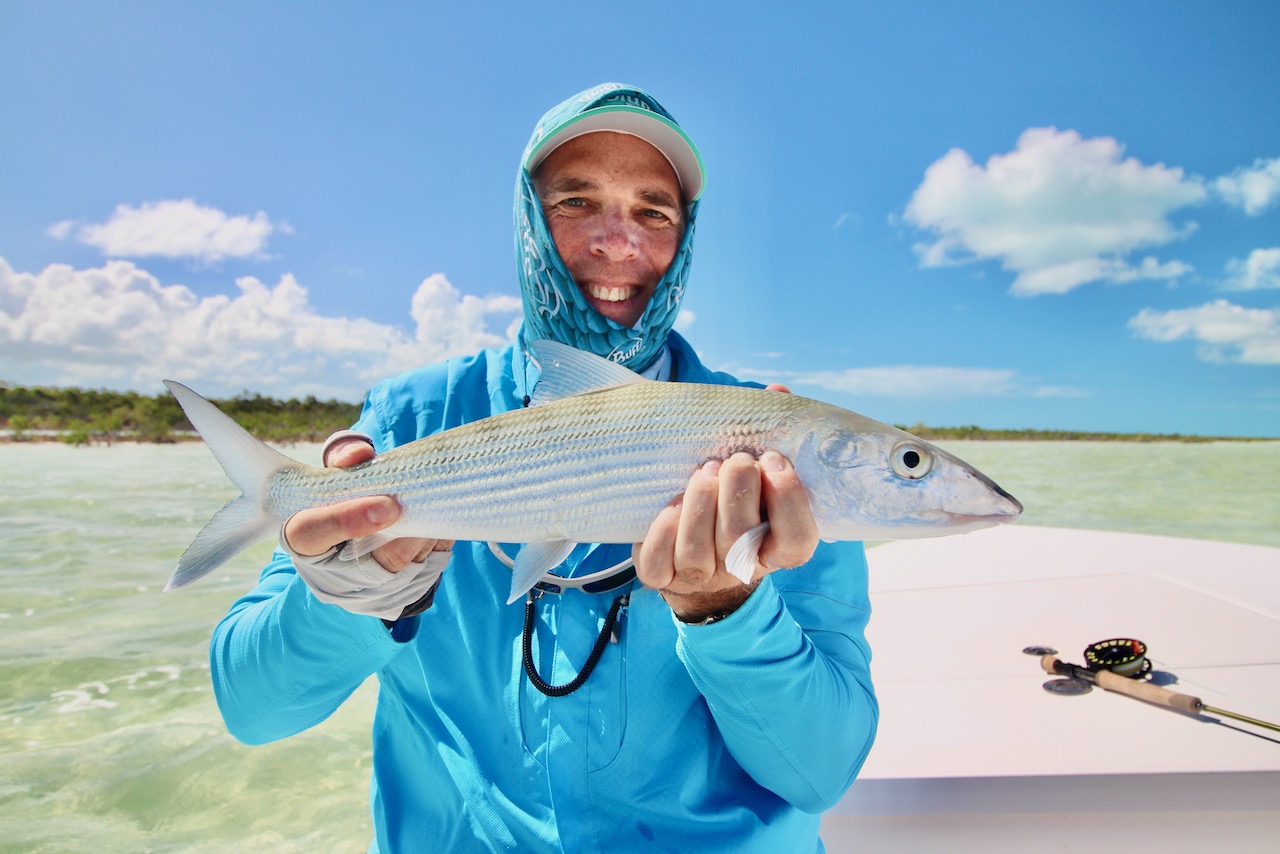
After a textbook-perfect fight involving several more vigorous runs, and much cranking of my single-action reel, I brought the fish to hand. Then my fishing partner, Chris Clackner, scooped up the camera and snapped a quick photo that captured everything magical about bonefishing—my delighted grin, raccoon eyes and peeling nose, the fly rod dropped on the deck, the mangrove shoreline and vibrant Caribbean sky and, of course, the shimmering fish itself (top of page).
Advertisement
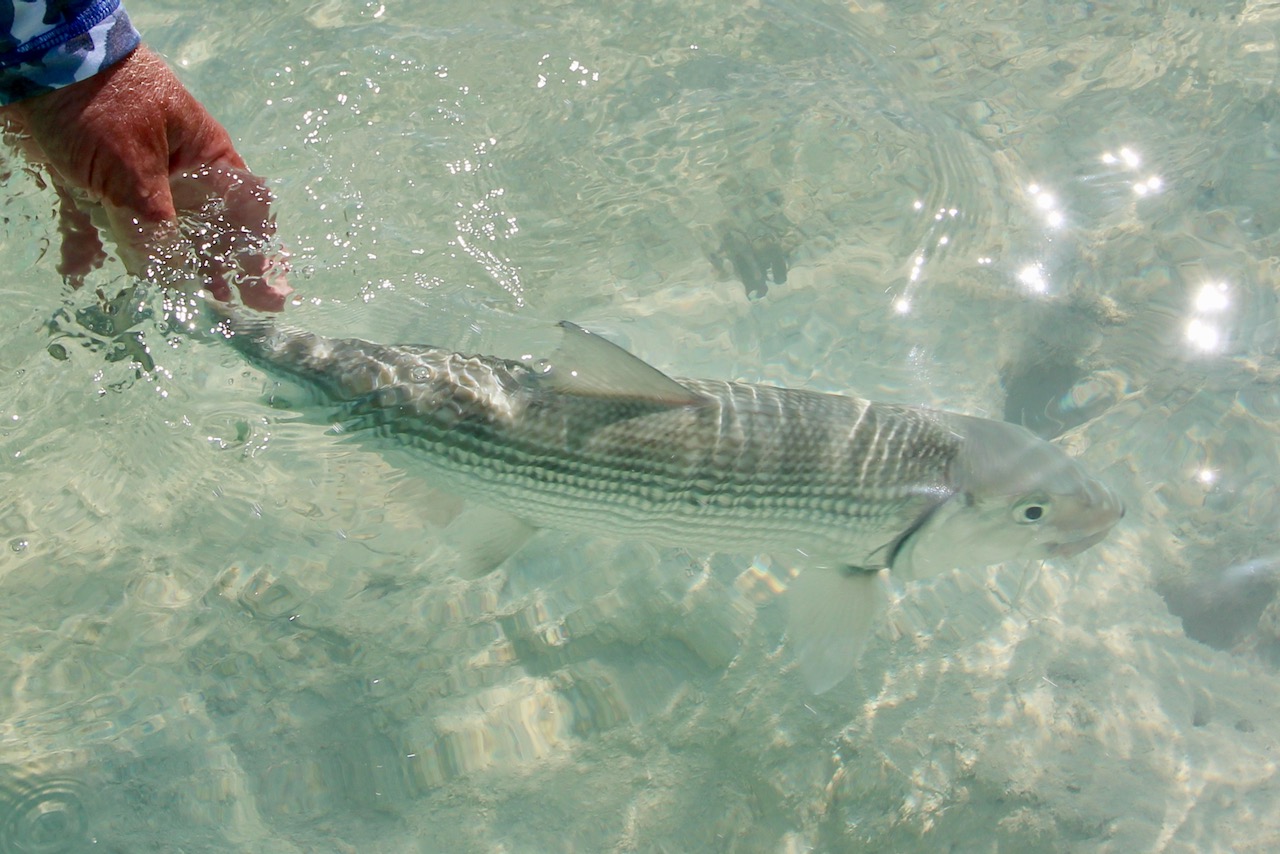
One of the reasons I relish that photo is because it represents a moment—and a trip—I never thought possible. I always believed bonefishing in the Bahamas was financially out of reach for anglers such as me. And it is, if you go to the prominent lodges owned by, and catering to, wealthy Americans and Europeans. There are also locally owned lodges, however, including two on North Andros. They offer the same quality of fishing, but they’re much more affordable, provided you’re willing to carry your own luggage and fetch your own refreshments from the fridge. If that sounds like your kind of action, here are seven things you need to know about bonefishing in the Bahamas on a budget.
Advertisement
#1 BAHAMAS BONEFISH ARE IN A CLASS OF THEIR OWN
Along with Grand Bahama, the Out Islands are generally considered home to the world’s best bonefishing. In particular, North and South Andros, the Abacos, Long Island and Crooked Island boast extraordinary numbers of bonefish with an average size of four to six pounds. There are also many fine lodges and generations of highly skilled guides, boasting a strong conservation mindset. As the icing on the cake, the peak bonefish season runs from October to April, neatly corresponding with the northern Hemisphere’s colder months.
Still, why would you take a big plane, a small plane and a crowded passenger van to catch a four-pound fish? Let me put it this way: My best 8-weight fly reel has a numbered dial to control the drag system, where one is the lowest power and 10 is the maximum. When I’m fly fishing for 20-pound pike in northern Canada, I set the drag at four. When I’m casting for Bahamas bonefish, I set the drag at six. Yes, six.
Bonefish possess this disproportionate power because they’re found on shallow tropical flats, where they’re exposed to constant danger from sharks, barracudas and birds. With no deep spots or cover to hide in, their only escape is speed. To support this high-anxiety, high-energy lifestyle, bonefish are constantly on the move, searching for food. And since they’re so active, the only realistic way to catch them is by sight-fishing, which is always thrilling. Fly anglers especially love bonefish because silently landing flies are often the most effective presentation for these easily spooked creatures (although skilled spin anglers can also do well). This whole package makes for tense, exciting and rewarding angling.
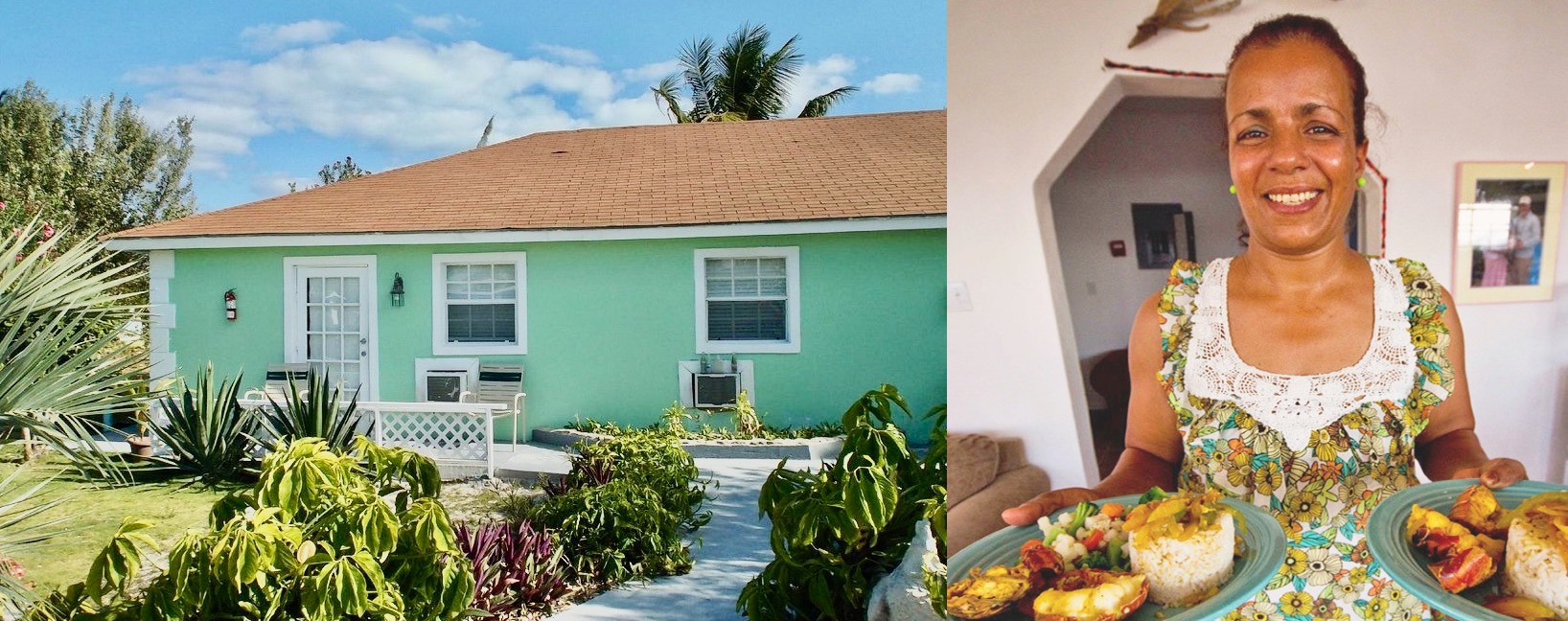
Two Boys Inn (left), and Fathima Neymour of Big Charlie & Fathima’s Fishing Lodge
#2 IT DOESN’T HAVE TO BE PUNISHINGLY EXPENSIVE
With its luxury estates, the Bahamas is sometimes thought of as a playground for the one-percenters. Compared to favourite Canadian winter destinations such as Cuba and Mexico, the hotels and casinos of the capital, Nassau, are quite expensive. And the upscale fishing lodges in the Out Islands are priced to match. That’s why the budget lodges—as they proudly call themselves—occupy such a special niche.
Two Boys Inn, where I stayed, and Big Charlie’s Lodge, which is across the road, are owned and operated by Bahamian brothers (and storied fishing guides) Frankie and Charlie Neymour, and their families. Fishing, food and lodging costs US$500 to US$600 per day, depending on your length of stay. It’s not cheap, but it’s also not outlandish for world-class fishing. By comparison, foreign-owned lodges start at double that cost, and some triple it. I’m not sure what you get for that price, but I loved the homespun family feel at Two Boys, not to mention the Bahamian-style food.
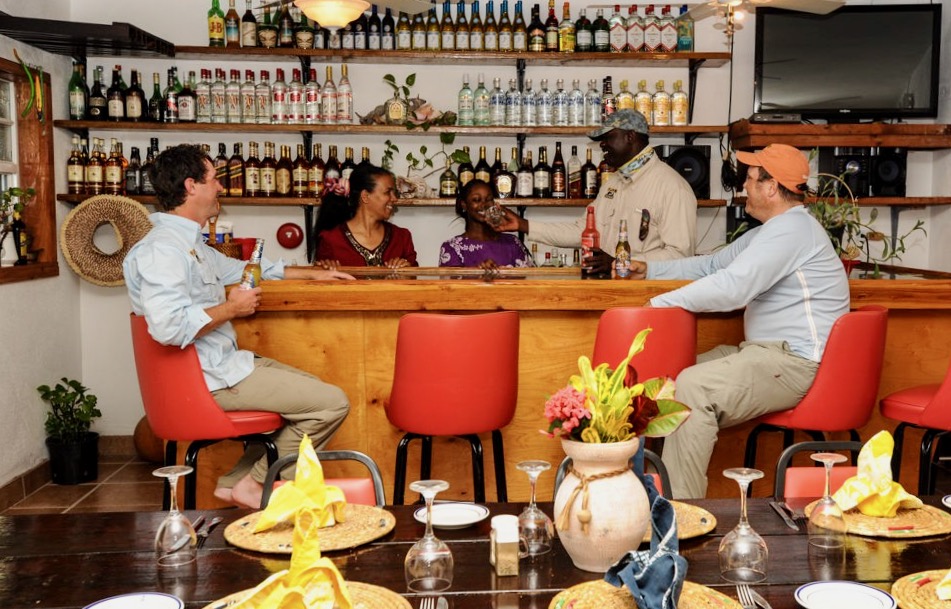 The dining and lounge area at Big Charlie & Fathima’s
In addition, most Bahamas guides aren’t lodge employees. They’re essentially independent contractors who own their own boats and go where the work is. And plenty of them like working for the Neymours, who themselves guide every day. So, the budget lodges draw from the same pool of guides, and have access to the same flats and fish as the white-tablecloth places. Upscale lodges also tend to bill themselves as “fly fishing” lodges, while spin anglers are totally welcome at the local spots—although subject to some friendly ribbing in the dining room.