

READING LESSONS
To effectively fly fish on a lake, think of it as a river instead
Advertisement
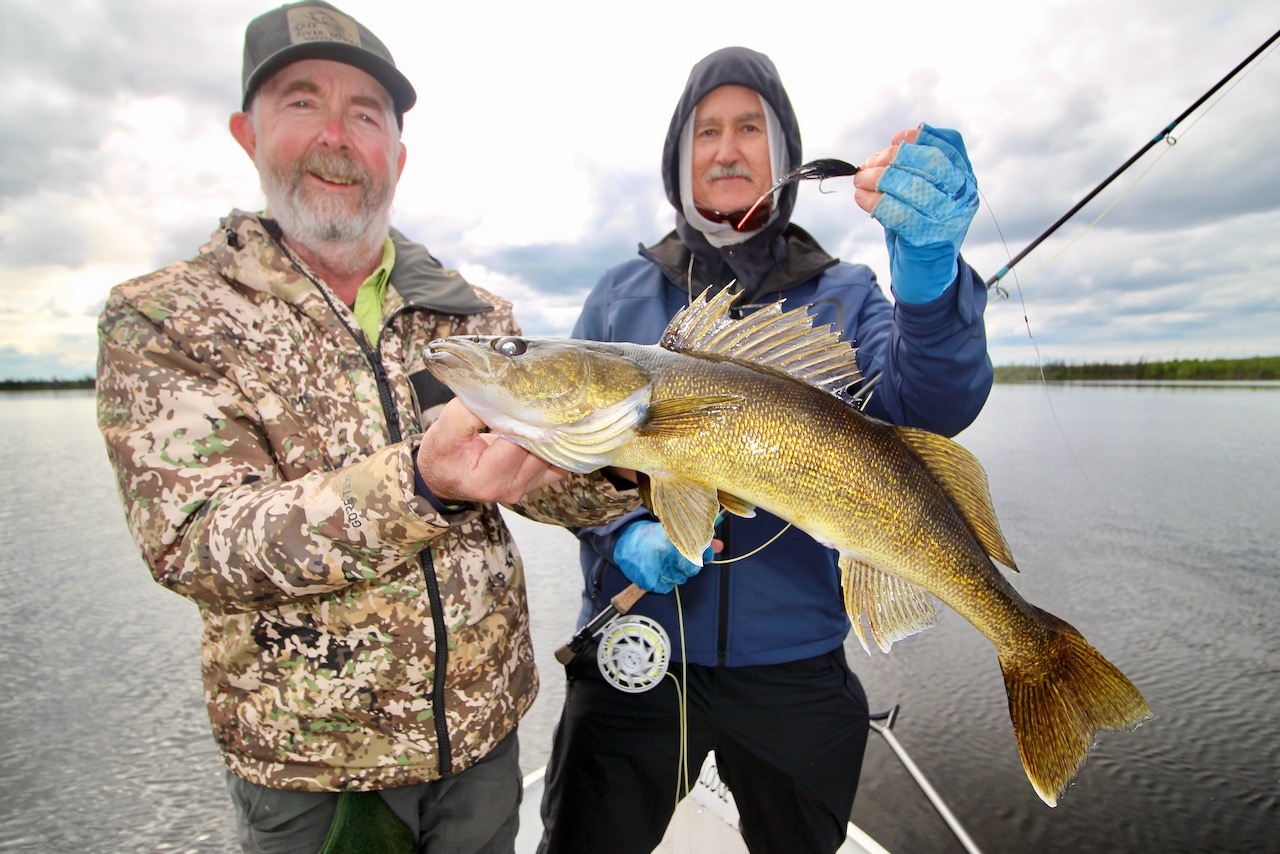 Points and corners are must-cast spots
EDGES & TRANSITIONS
Anywhere two different bits of geography meet is worth a cast, such as a hard bottom meeting a soft one, clear water meeting stained, or shallow water meeting deep. Such transitions often signal drop-offs and depth changes, which are among the most reliable fish-holding features in any lake. And they’re not always like borders on a map. One kind of edge I always, always fish is a lone clump of weeds in a rocky lake, or a boulder on a weedy flat.
Advertisement
POINTS & CORNERS
Points are hot spots when water is moving past them, but even if there isn’t a noticeable current, they still act like deflectors that corral both food and fish. Inside corners do the opposite, collecting whatever the wind and water are pushing. Both are easy to spot from a boat, and are a must-fish on unfamiliar water.
By the way, casting at the point is the least efficient way to fish it. Instead, position yourself to cast parallel to the point, and gradually move along the shore, repeating the process a little deeper or shallower.
Advertisement
Lakes can seem featureless—just a huge expanse of water with no obvious place to start. But once you know what to look for, lakes start to make sense. The spots are there, and they hold fish for the same reasons a good river lie does. You already know how to read water; you just need to dial in a different frequency.
For more tips on fly fishing in lakes, visit www.outdoorcanada.ca/stillwaterskills.
Advertisement