

REMOTE, NOT FAR AWAY
A “True North” fly-in fishing experience just five hours from Toronto
Advertisement
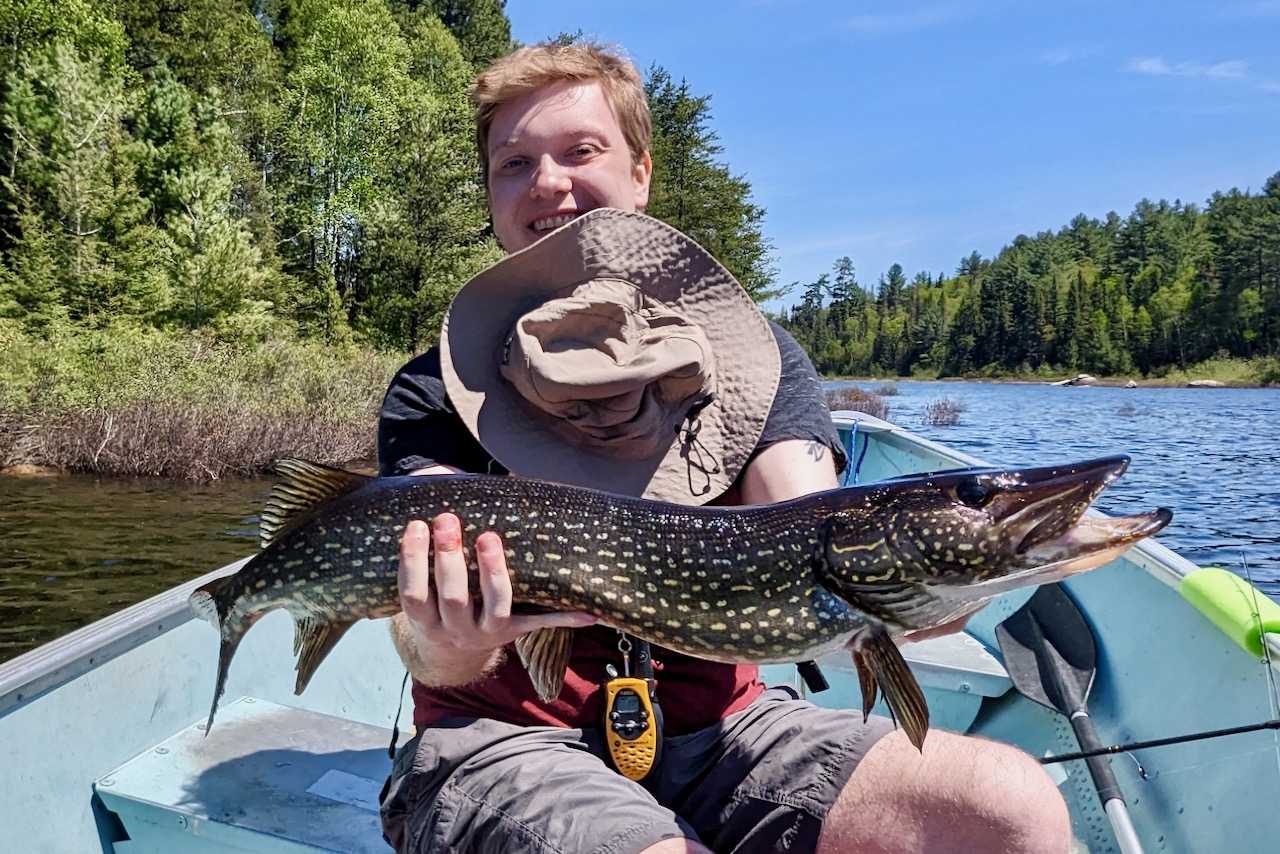 Sam’s big northern pike
The 35-inch surprise
On his third cast of the trip, my son Sam connected with a 35-inch northern pike. He hadn’t come anywhere near a fish bigger than his shoe in a decade, so this was exciting stuff, and quite the confidence booster.
I was in the other boat across the bay. I saw—and heard—Sam and Wes in a flurry of activity and showing some level of stress. I thought about going over to help , but didn’t want to give the impression I didn’t trust them to handle things. Though of course, when I realized they’d had a serious fish, I wished pretty hard I’d seen it up close.
Advertisement
I will admit their photo (above) is a little goofy, but I love how it captures the chaos and energy of the moment, as he and Wes raced to document the fish for posterity, while ensuring a rapid and safe release.
It also turned out to be our best fish of the week, which is a pretty good reminder of one of backcountry fishing’s more reliable rules: you never know what’s going to happen on the first cast—or the next one, or the last one.
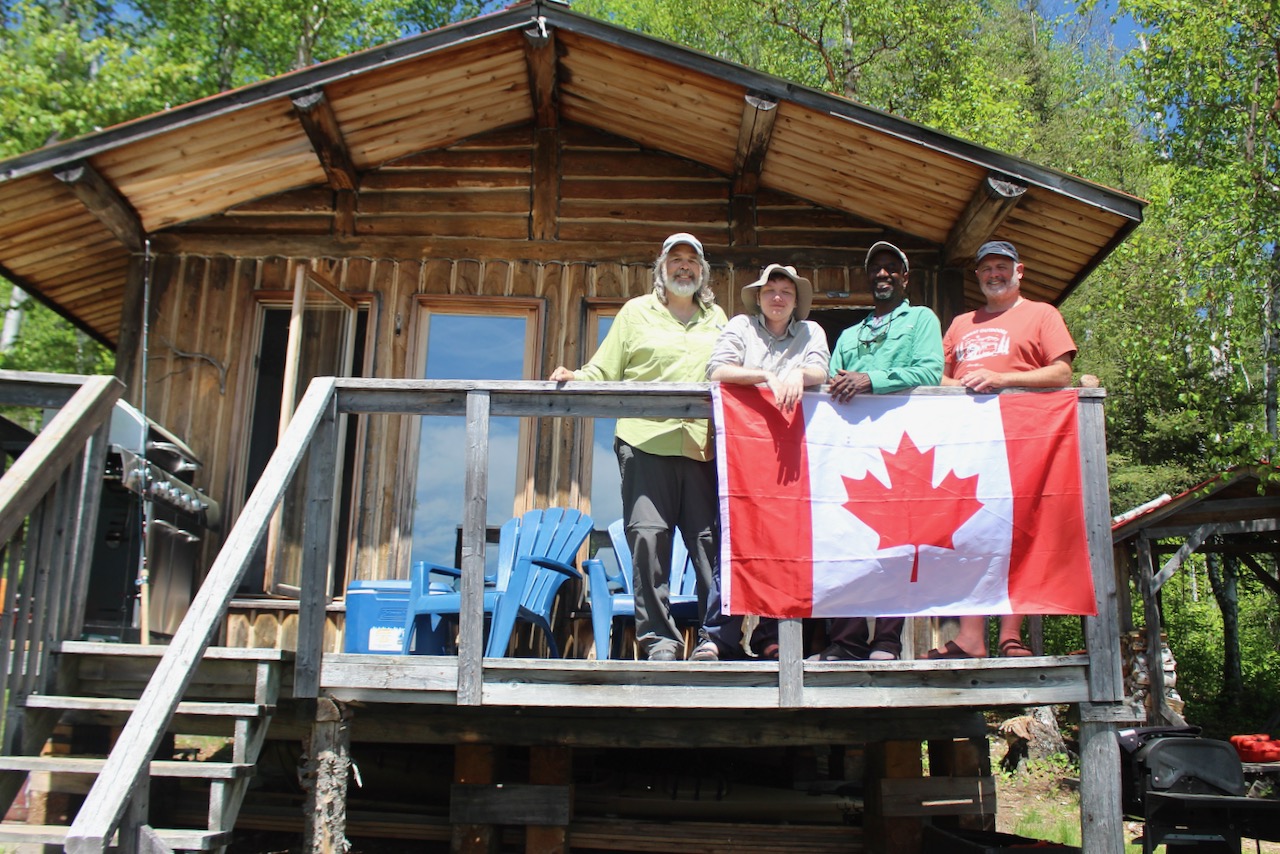 The crew (left to right): Scott, Sam, Wes and Mark
Everything you need, nothing you don’t
Once we arrived, True North left us to do what we’d come to do: fish. The camp has the essentials you’d expect from a comfortable northern outpost, including a good cabin, boats, a barbecue and a sauna. Admittedly, the latter is a luxury until you’ve spent some long days on the water on seats not exactly designed for middle-aged backs.
Advertisement
As is the way at outposts, there was no schedule to follow and nobody hovering over us. We had the lake, the boats and our own ideas about where to fish next.
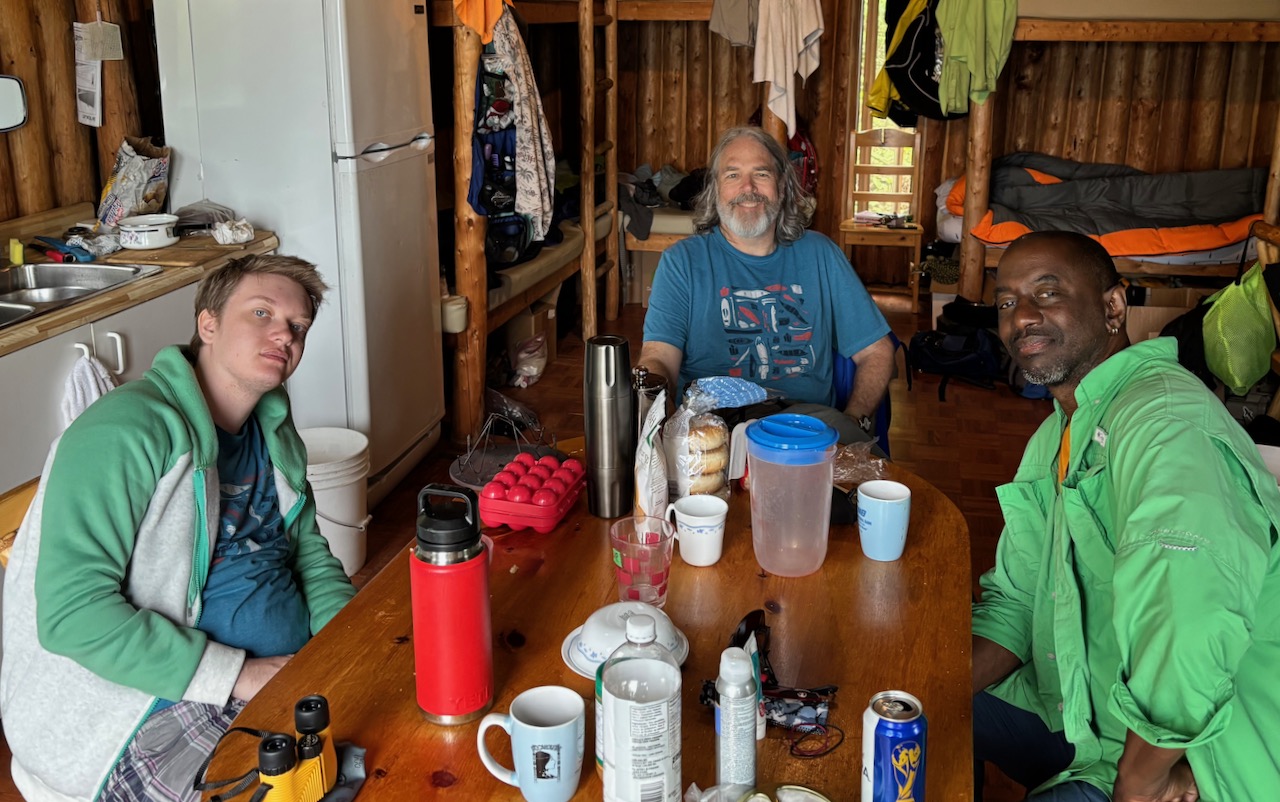 Bagels, binoculars, coffee cups and a beer can—a pretty accurate image of life at camp
For experienced outpost anglers, that independence is part of the appeal. For anyone new to the experience, it’s also a relatively straightforward way to get a taste of backcountry fishing without having to organize every last logistical detail yourself.
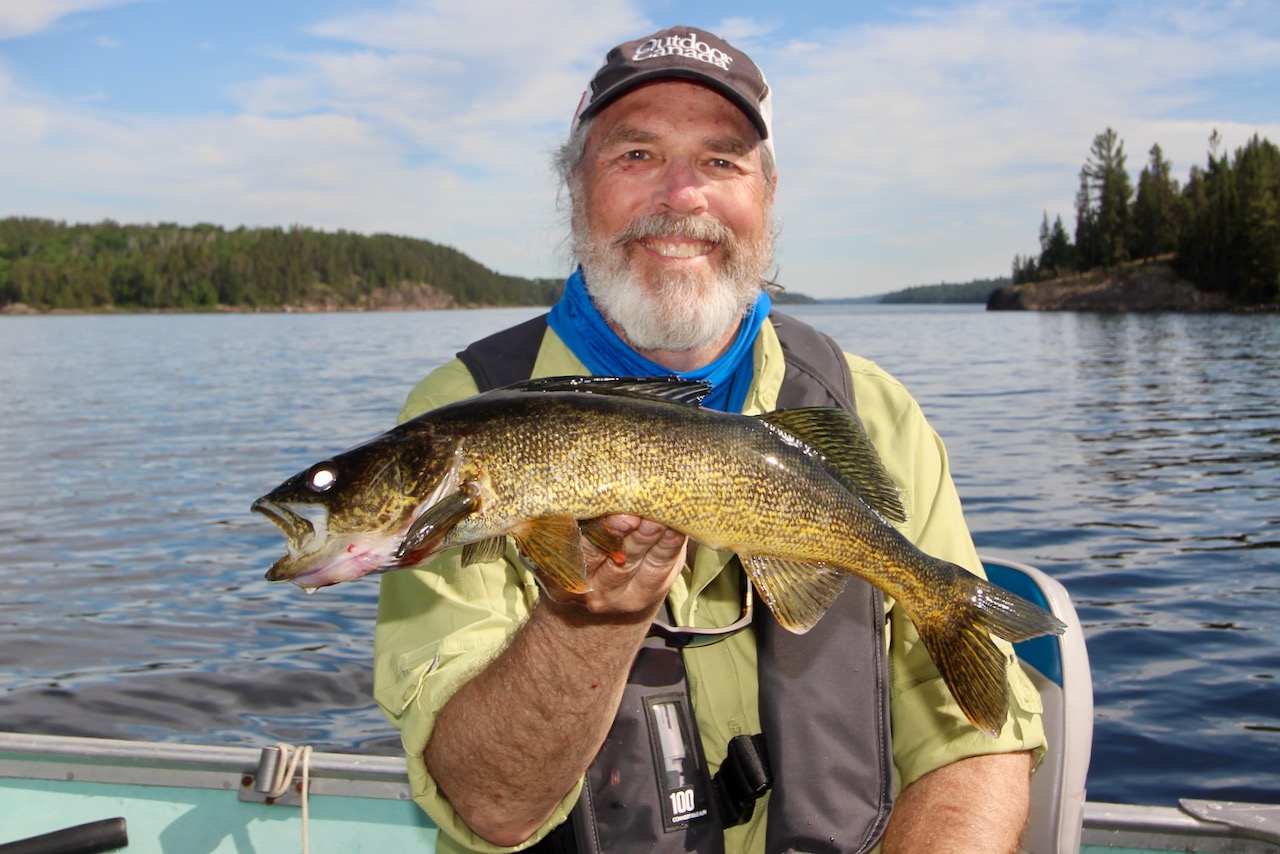 The walleye were spotty, but very cooperative
The fish were playing hard to get
Scotia didn’t exactly hand us the keys on the first morning. We moved around, changed depths and tried to make sense of a lake none of us had fished before. The deeper water seemed to be holding plenty of possibilities, while the shallow bays were still waiting for the weeds to develop later in the season.
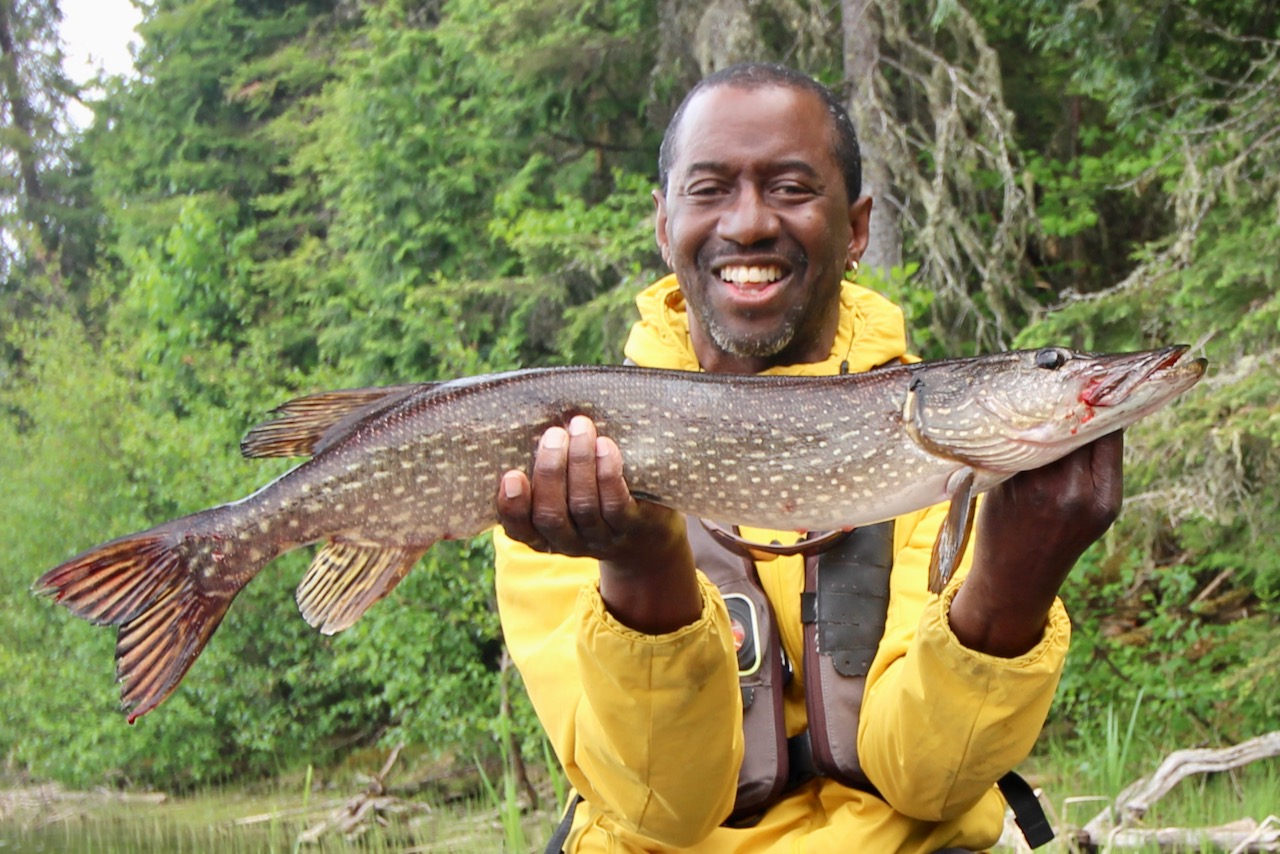 Wes with yet another Scotia pike
But the 36-inch pike on Day 1 was proof of what was swimming around in there, and there were enough other fish and follows to keep us sharp and excited.
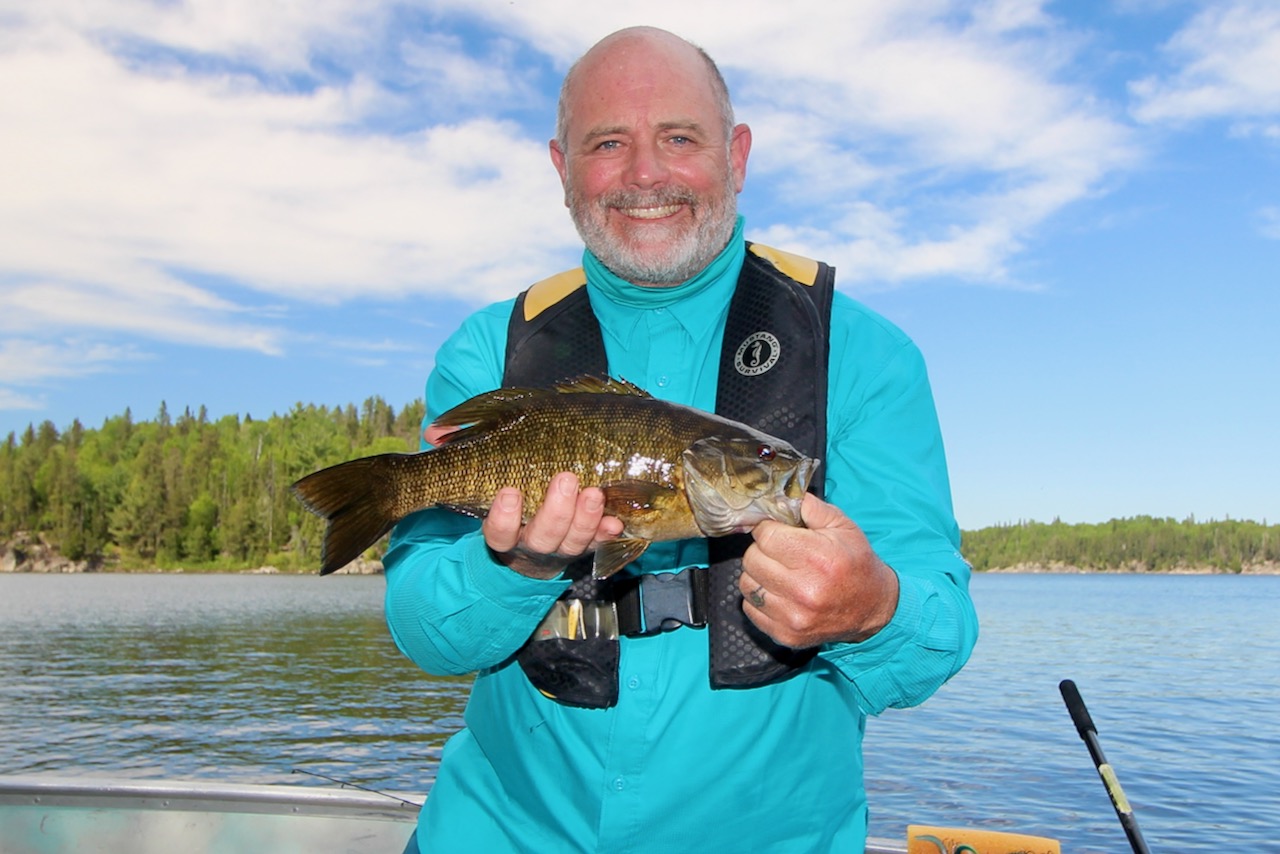 Mark with a Scotia smallmouth
That’s often the reality of fishing an unfamiliar lake. You don’t always solve it in three or four days. Sometimes you leave with a better understanding of where you’d start next time. And that’s not necessarily a bad thing.