

DRY REVIVAL
Once ignored, these unconventional dry flies are now a must-have
Advertisement
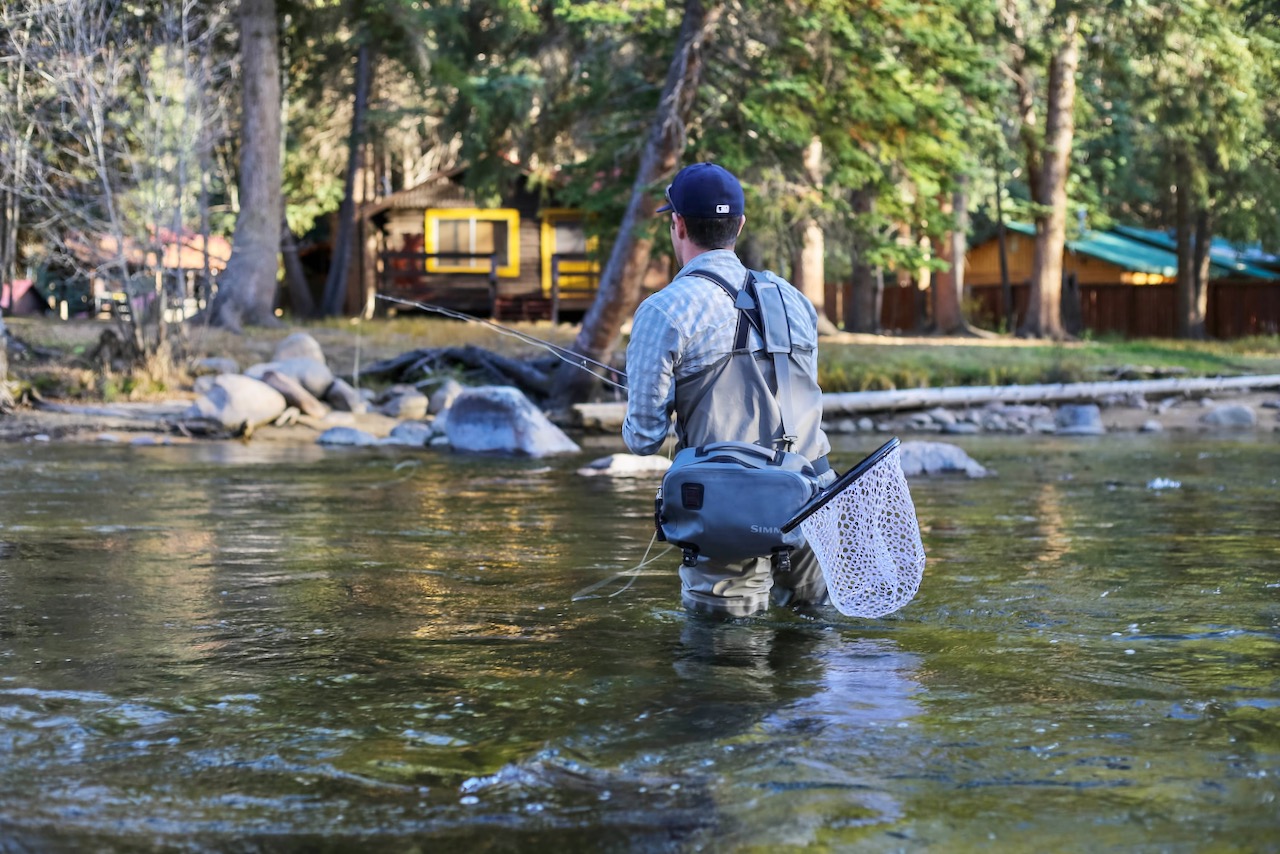 Parachute flies make excellent searching patterns (Photo: Taylor Grote/Unsplash)
TACTICAL USE
You can use parachute flies wherever and however you’d fish any dry fly. With their visibility making them quite easy to fish, they make excellent searching patterns—they’re one of my go-to choices on unfamiliar water or when there’s no apparent insect activity. The workhorse sizes are 12 and 14, but it’s handy to also have a few smaller and larger ones.
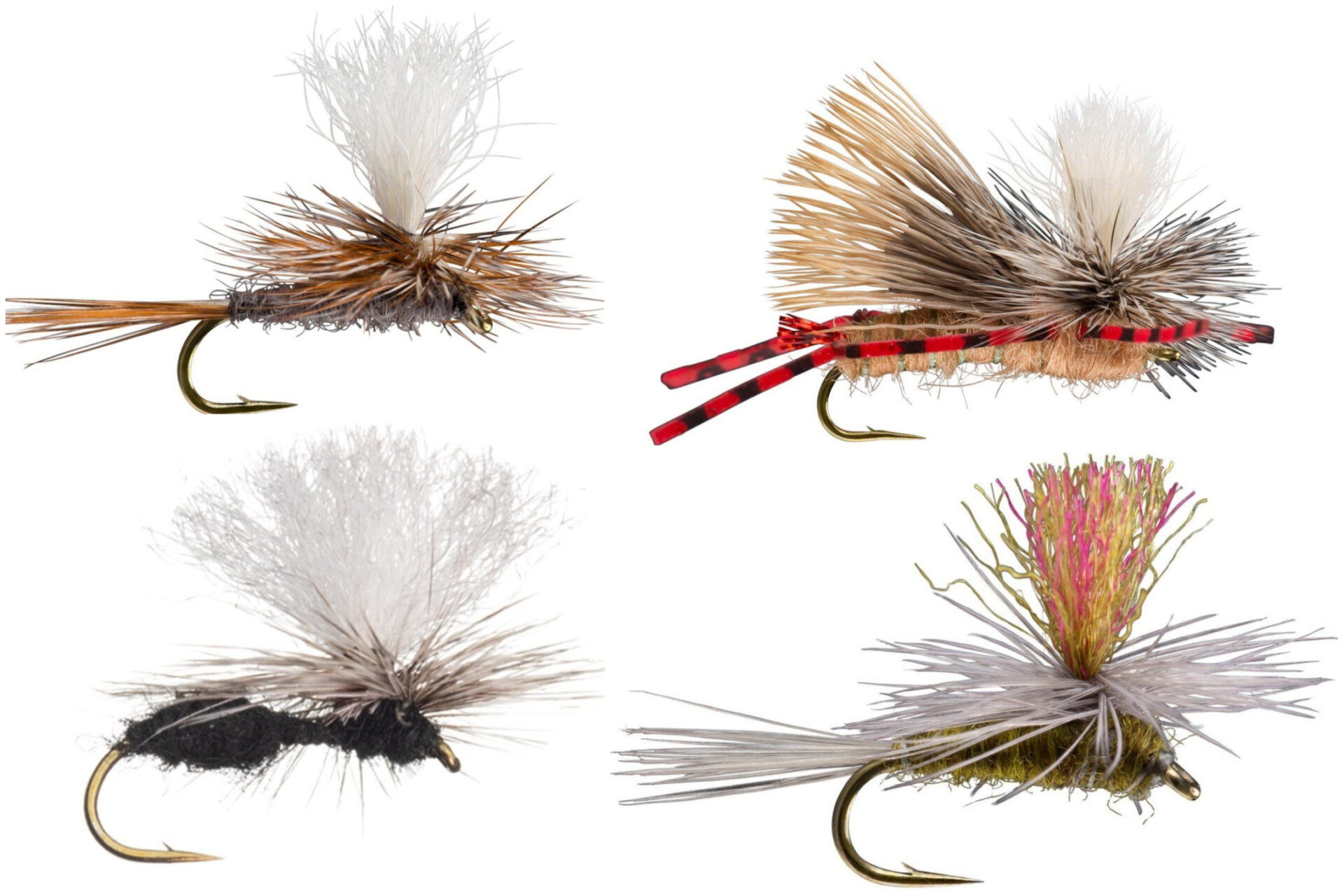
The grey body and mixed grizzly and brown hackle of the Parachute Adams is a proven fish-catching combo, derived from its popular forebear, the traditional Adams. I like parachute flies in generic cream, tan and black, too. Imaginative fly tiers have also created lethal, low-floating grasshopper and ant imitations using horizonal hackles. Amazingly, this once-ignored technique has already become yet another tool for fly designers, and I, for one, am excited to see what they come up with next.
Advertisement
TYING PARACHUTE FLIES
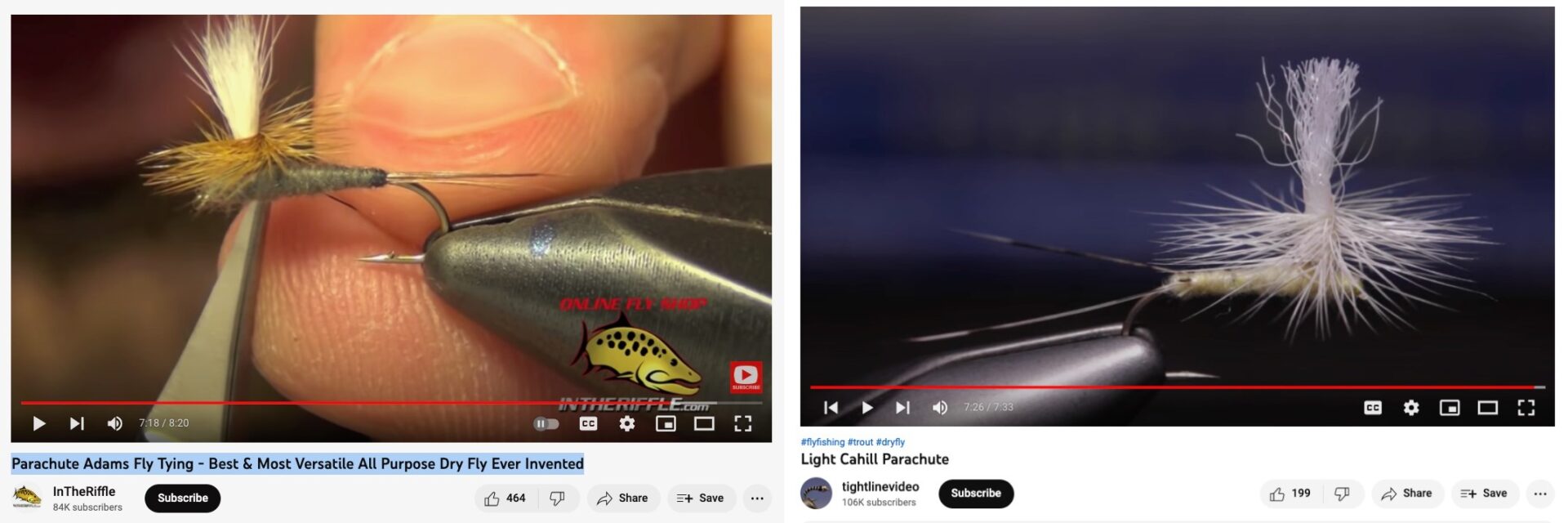
Below are two videos detailing the best methods I’ve found for tying parachute flies, one with the traditional calf-hair wing, and a second that employs polypropylene floating yarn and UV glue.
Advertisement
Parachute Adams with a Calf-Tail Wing
In The Riffle has one of the best, and most prolific YouTube fly-tying channels, showing real-time, no-nonsense fly tying. In this video, the parachute wing post is made with traditional calf tail, but the real trick is the clever order in which the materials are applied to make a tidy, sturdy and surprisingly easy parachute fly.
Advertisement
Light Cahill Parachute with a UV-Glued Wing and Hackle
My other go-to fly tying source is Tightline Video, where Tim Flagler makes exceptionally well-produced videos, that also feature some of the slickest fly-tying tricks I’ve ever seen. (His hacks for making tidy, bulletproof Woolly Buggers are life changing.)
Flagler’s parachute method, which is now my favourite, uses quick-setting UV glue to both secure the wing and to fasten the hackle. It’s unconventional, but also very clever. I suggest starting with a large fly first (like a size 8 or even a 6), so you have more room to work. Your first few will probably be pretty messy, but after you get the hang of it, they’re surprisingly straightforward to do. While this video shows a Light Cahill parachute fly, the wing-and-hackle method works on any parachute pattern. The wing part starts at about 4:15 of the video, which is where, in Flagler’s words “things get weird.”
Associate editor and fly-fishing columnist Scott Gardner is always happy to revisit old flies.