

DRY REVIVAL
Once ignored, these unconventional dry flies are now a must-have
Advertisement
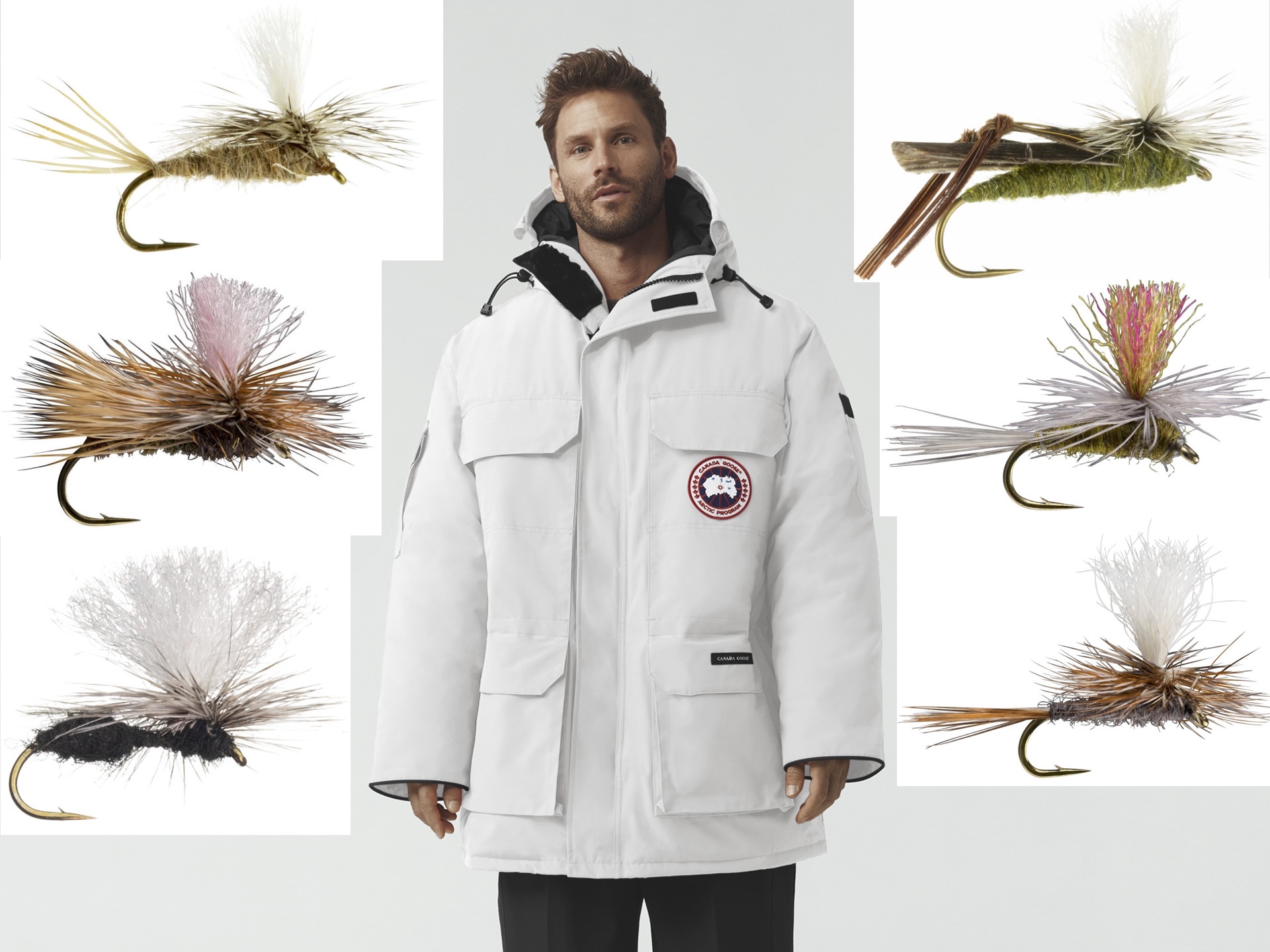 The rise of the parachute fly has parallels to the rise of the classic Canada Goose parka
In the early 1970s, a small Toronto sportswear firm developed an automated way to stuff coats with natural down feathers. The company soon changed its name to Canada Goose, and for three decades quietly produced small numbers of high-quality parkas for people who work outside during our harsh northern winters. Then about 15 years ago, those same parkas suddenly began appearing on the streets of the world’s trendiest fashion districts. Within a few years, they became a virtual uniform among the coolest young urbanites, even in places that rarely see snow.
The Canada Goose example is one of those rare instances where the whims of fashion accidently settle on something practical and highly functional, then elevate it to mass popularity. That’s pretty much the story of parachute flies, which have gone from a novelty item to a must-have in just few short years. Here’s what you need to know about choosing, fishing and tying these unique dry flies…
Advertisement
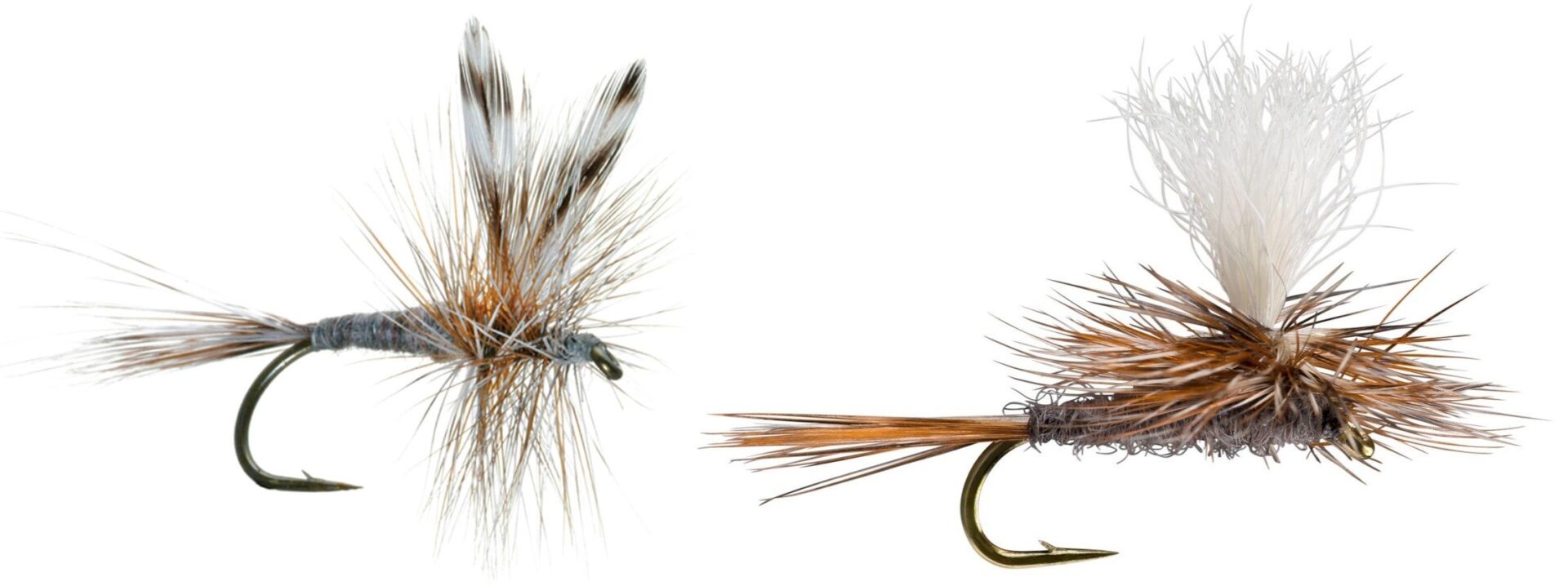 The classic Adams dry fly (left) and the Parachute Adams version
THE PARACHUTE CONCEPT
Classic dry flies (above left) have a hackle feather wrapped around the hook shank; the feather’s barbules stick out perpendicular to the hook shank, helping the fly float on top of the water, similar to an aquatic insect. With parachute flies (above right), the hackle feather is wrapped horizontally around a single sturdy upright wing instead. This is a style of fly, rather than a specific pattern, so many traditional dry flies can be tied in parachute form. The name “parachute” comes from the idea the horizontal hackle causes the fly to land more gently on the water.
When I began fly fishing more than 30 years ago, I was vaguely aware of parachute flies, but I never saw one in a shop or in anyone’s fly box. The concept has been around since at least the 1940s, but it was generally considered a pointy-headed exercise in fly design, without much practical value. That was partly because parachute flies were very tricky to tie. Also, the idea that they land more gently is questionable, given that dry flies are virtually weightless to begin with. All of this relegated the parachute concept to the margins.
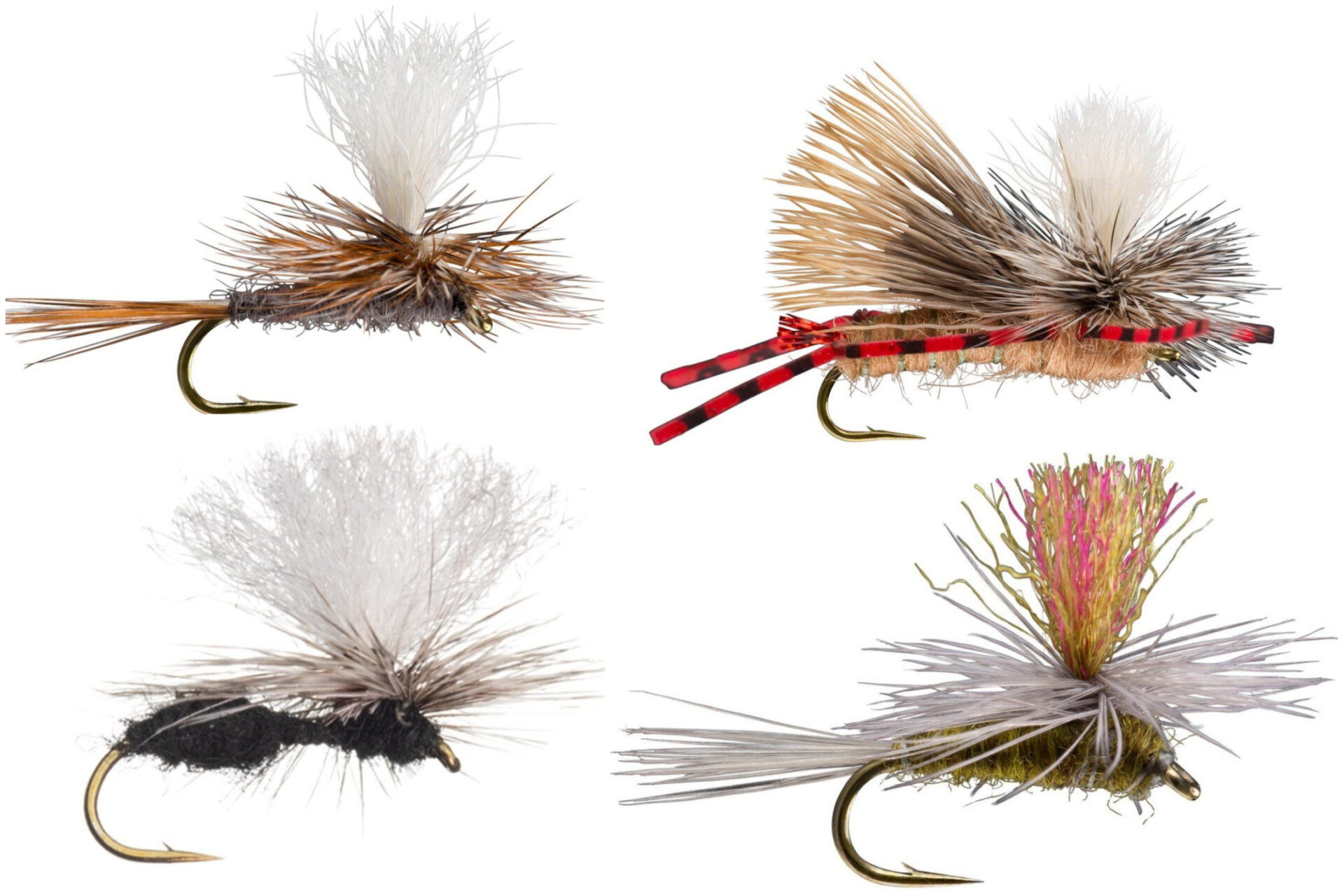 Clockwise from top left: Parachute Adams, Parachute Hopper, Hi-Vis Parachute in Blue Wing Olive, Parachute Ant
MODERN APPEAL
Then about a decade ago, I was surprised when I began hearing whispers about parachute flies among fellow anglers. Almost overnight, that whisper became a foghorn. Now the Parachute Adams is firmly ranked among North America’s two or three most popular dry flies, and embraced by a generation of anglers. And like those sturdy, down-stuffed Canada Goose parkas, modern parachute flies are the real deal. They catch fish at least as well as traditional dry flies, and usually better.
Advertisement
The key is the fly’s structure, with the horizontal hackle above the body. This floats the fly right in the surface film, exactly like a newly emerged insect at its most vulnerable. This seems to make it more attractive to fish than high-floating dry flies.
The parachute fly also always lands in the correct upright posture, with the wing invisible to the fish. That means the wing can be tied with bright white—or even pink or chartreuse—material, making it easier for the angler to see. And the better you can see a dry fly, the more skillfully you can fish it. Adding to the appeal, improved tying materials and clever new techniques have made parachute flies less difficult to tie. They aren’t easy, but they’re manageable for tiers of moderate skill. Alternatively, they’re also inexpensive to buy. (For tying tips see page 5 of this story, or click www.outdoorcanada.ca/parachuteflies.)
Advertisement