


FIRST DIBS
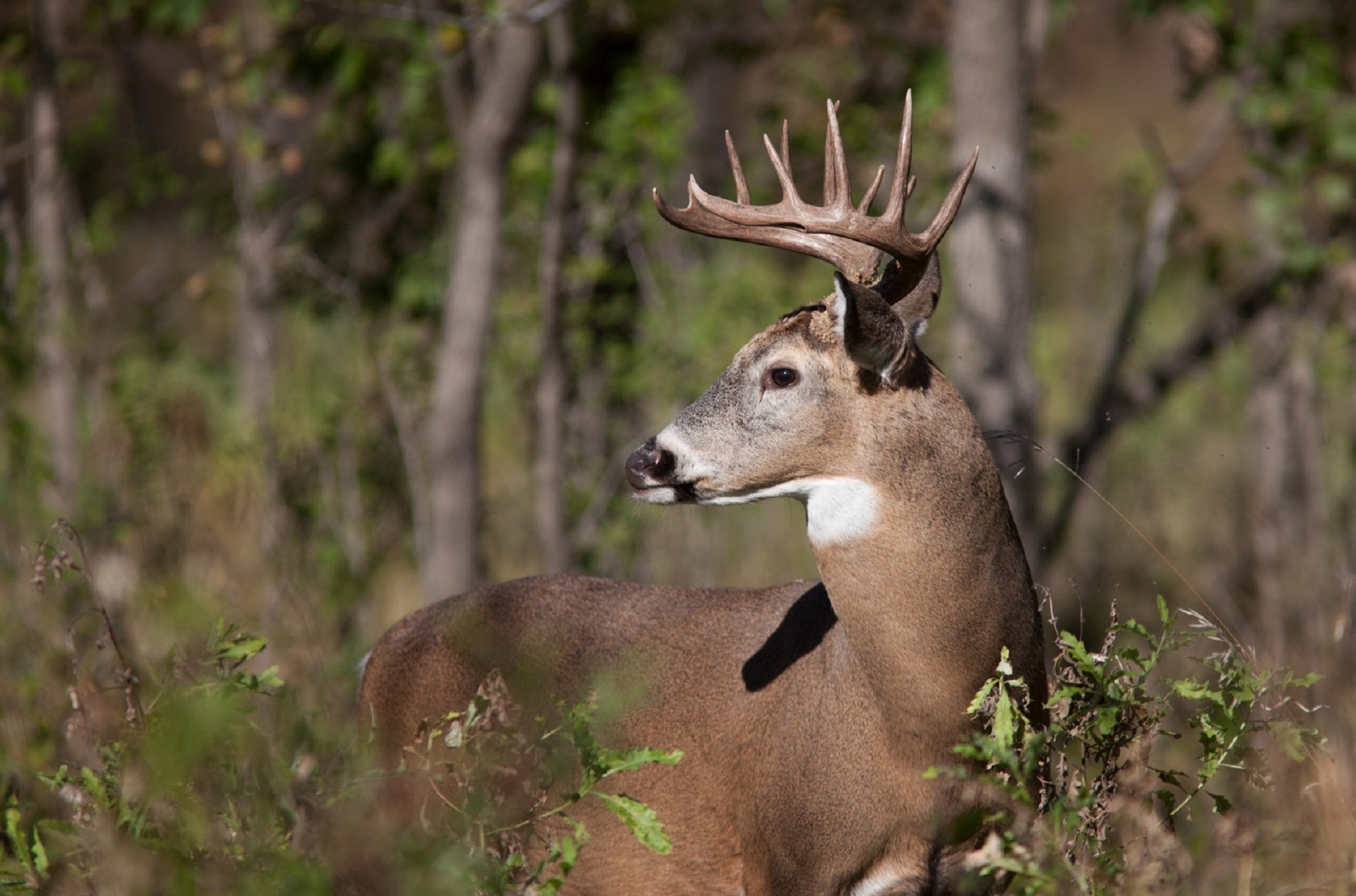
Instead of waiting for the rut, hunt big bucks in the early archery season
Advertisement
#4 OBSESS OVER THE WIND
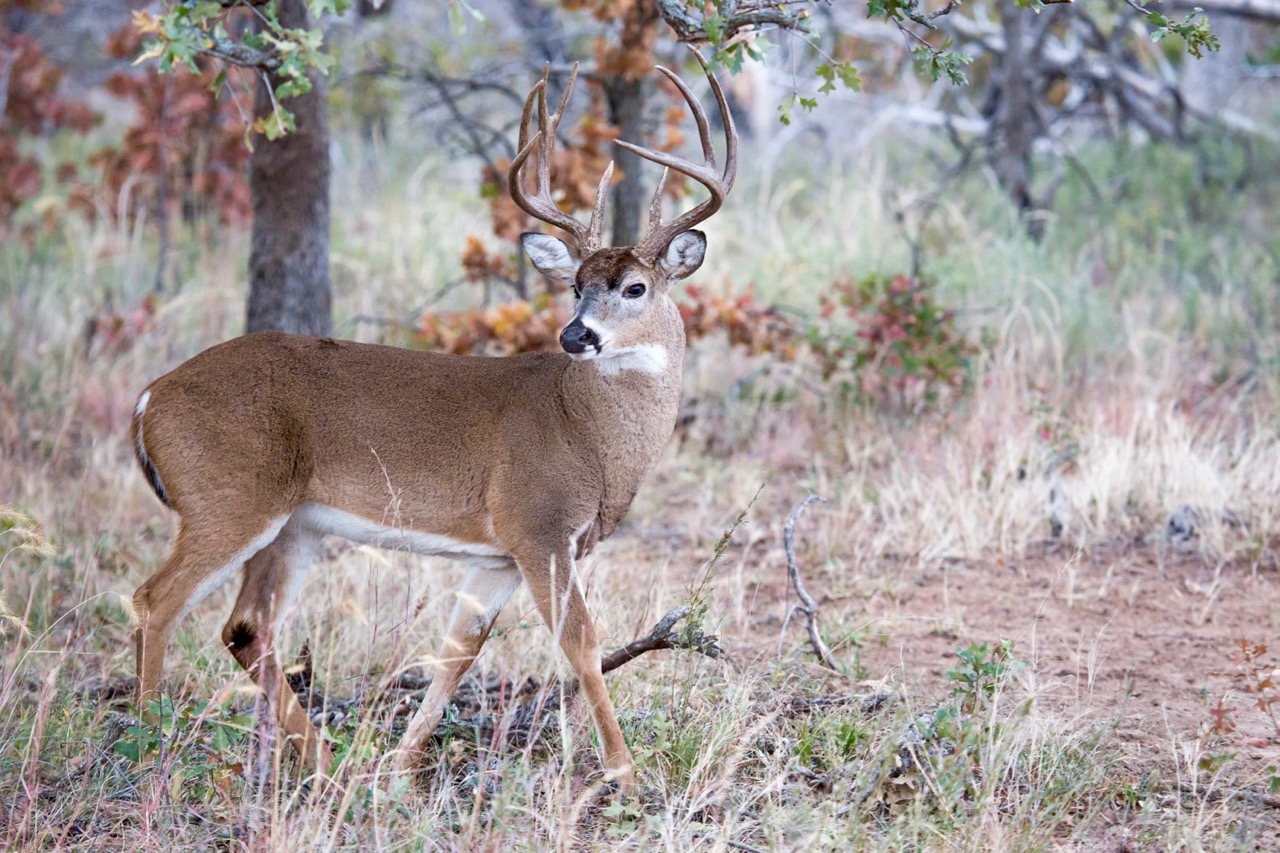
Scent is the whitetail’s number one defence. If a buck smells you, it’s game over—he wins. So, only bowhunt from stands where the wind is always in your favour. This is the most critical element to focus on for early-archery-season success. You need to be within 35 metres of your prey when bowhunting, but that will never happen if the buck is downwind from you.
Advertisement
Make sure the wind is favourable before you head out. If the breeze swings direction once you’re in your stand, however, pack it in for the morning or relocate to an alternate ambush site. Most of my stands favour the predominant west wind, but I make sure to set up at least one ambush site for when there’s an easterly breeze. If the forecast calls for high winds of more than 20 km/h, meanwhile, postpone the hunt—the deer will abandon their nighttime feeding areas well before daybreak to seek sanctuary in the forest.
In tandem with playing the wind, also develop a scent-management regimen to keep your bowhunting gear scent-free and minimize your human odour. Store your clothes in a vented plastic tub with cedar or pine boughs for a week prior to hunting, and always wear scent-free rubber boots. The last thing you want to do is educate the local boss buck that there’s a stalker in the woods.
#5 PLAN YOUR ENTRY AND EXIT
To reach each of your stands, carefully select a hidden route through the timber or a low-lying sheltered area, such as a ravine. Trim away any branches that might snap or brush against your gear, or, worse yet, poke you in the eye. That way, you can ensure a quiet approach as you sneak in to your stand an hour before daybreak. You can wear a small headlamp to help find your way in the gloom, but don’t look up and broadcast your presence.
Advertisement
Never select a route where deer might be feeding during the pre-dawn, and don’t pop out of your stand in the evening if deer are within sight, even if they’re just does. Instead, wait for them to leave—there’s no need to educate them about your presence. If a doe learns about your ambush site, she’ll be wise enough not to lure a rutting buck past it in the weeks that follow.