


EARLY 'EYES
Tips for targeting walleye when the water’s cool and the days are still short
Advertisement
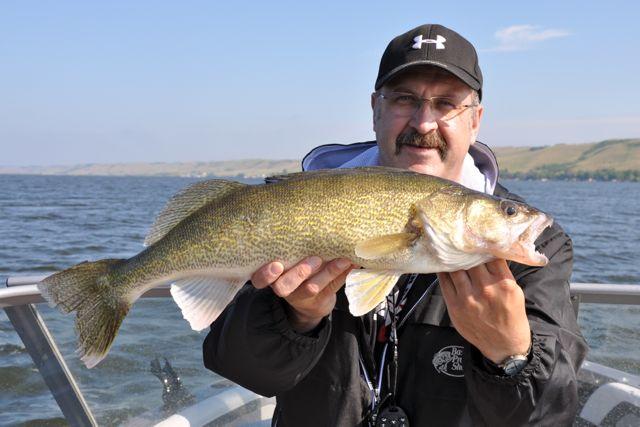
Several years ago, I went early-season pike fishing with my friend Tim Geni and our boys on southern Saskatchewan’s Rafferty Reservoir. It was early May and the pike action was steady, but around mid-afternoon, Tim suggested we switch things up and try for some walleye. I was skeptical because I usually didn’t do much walleye fishing until mid-June, when the water temperatures stabilize and the walleye are going strong on spinner rigs and bottom bouncers. Plus, I was having a good time catching northerns. But since we were in Tim’s boat, I agreed.
Advertisement
We pulled out of the bay where we’d been casting for pike and soon anchored overtop a nearby sandbar. Then we traded our shiny spoons for tiny jigs tipped with leeches, which we soon discovered the walleye couldn’t resist. I was shocked by this early-season bite and instantly realized I’d long been missing out on some excellent early-season walleye fishing.
Since then, I’ve been targeting walleye in May and early June by downsizing my offerings and fishing slow presentations instead of waiting until mid-June and using flashy, action-packed presentations. Here are my top tips for spring walleye fishing…
Advertisement
#1 Find warm-water locales
To find early-season walleye, look for the warmest water in the system. This is where the walleye will be feeding on the aquatic creatures that come alive as spring unfolds and the water warms up after ice-out. As a guideline, walleye will spawn when water temperatures exceed 40°F, and start biting well when it’s warmer than 50°F. And once the water is between 60 and 65°F, the fish will go into a feeding frenzy.
Prime areas typically feature shallow water and sandbars along northern and eastern shorelines that receive the most daily sunshine. Other good bets include flooded back bays, dark-bottom mud flats, shorelines with exposed rocks that gather the sun’s heat, and creek mouths where spring runoff brings in warmer water. Finding an area where the water is one or two degrees warmer than the rest of the lake can pay huge dividends.
Advertisement
Since early-season walleye are typically caught in water depths ranging from three to 10 feet, they can often be targeted either from shore or a boat—and that makes for a wide variety of effective presentations. The following are my favourites.