

GO DEEP
To catch bottom-dwelling fish, tie on a jig-like tactical fly
Advertisement
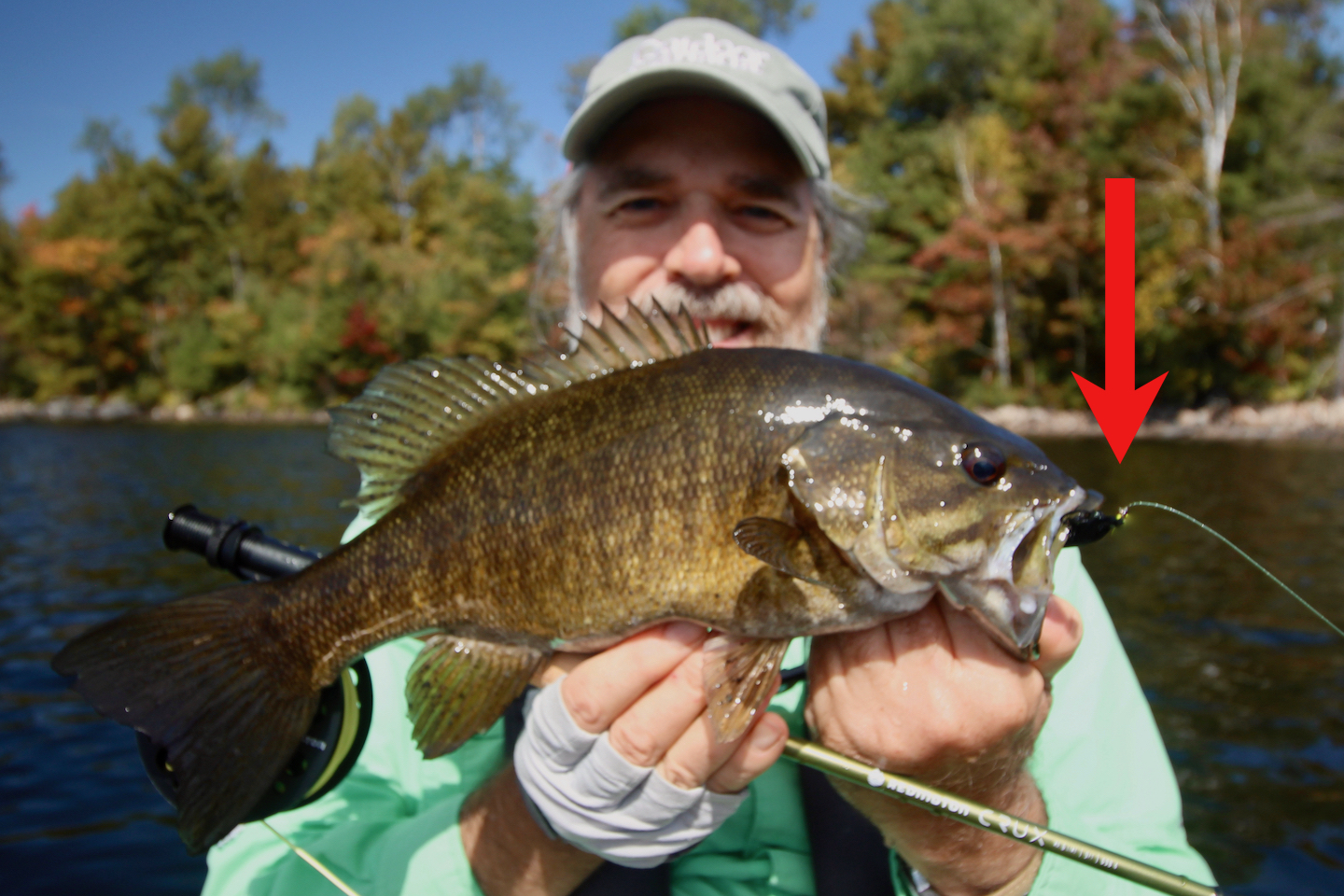 Tactical Zonkers (above) can probe deep
I just might be onto something with these tactical flies, I thought as I brought another smallmouth bass to hand. It was my third fish in four casts, all from the same sandy-bottomed bay on one of my favourite bass lakes. For years, I’d watched my spinfishing friends catch fish here by dragging lead-head jigs, while my own subsurface flies went untouched. Now, with my Tactical Zonker, I had a fly to tempt the bay’s bottom-oriented bass.
At first glance, tactical flies don’t look like much—a vaguely familiar wet fly, nymph or streamer pattern, tied on an inverted, angled hook with a tungsten bead at the bend. Essentially, they’re tiny jigs for the fly rod. In rivers, this evolution in fly design has modest, situational benefits. In still water, however, tactical flies are more like a revolution, opening up entirely new presentations that simply aren’t possible with standard patterns…
Advertisement
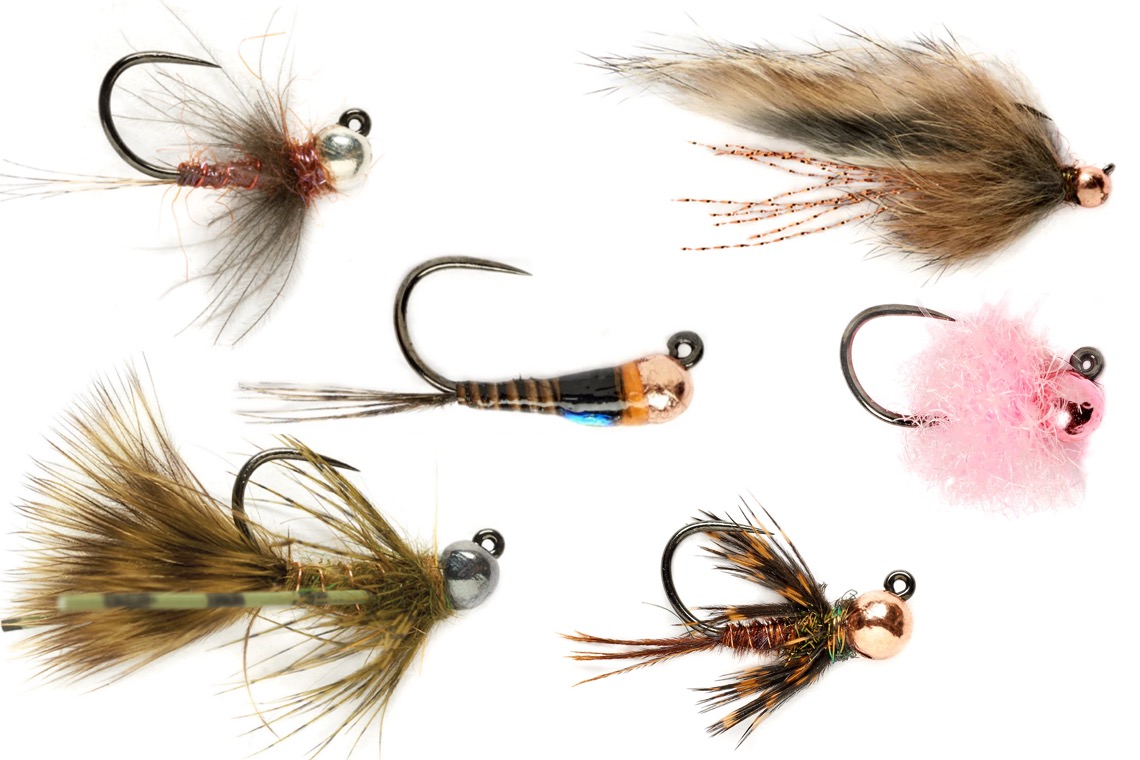 Clockwise from top left: TH Duracell jig, Tactical Zonker, Slush Jig Egg Fly, Pheasant Tail Tactical Soft Hackle, Tungsten Jig Bugger, Spanish Bullet [photos: Mossy Creek Fly Fishing (Zonker), Orvis (others)]
TACTICAL ADVANTAGES
The simple combo of a jig hook and a dense bead, often slotted so it sits snugly where the hook bends toward the eye, produces significant effects. It makes tactical flies sink quickly at a predictable rate, track in a stable position and ride hook-point up, which reduces snagging. This style of jig-fly emerged from European competition fishing, particularly straight-line nymphing, where depth control is essential. The “tactical” label stuck because it implies a results-oriented fly. It also sidesteps the word “jig,” which still makes some fly anglers feel icky.
Some tactical flies are original designs, while others are adaptations. They range from inverted bead-head nymphs, midges or soft-hackles aimed at river dwellers, to jig-ified streamers such as Woolly Buggers, Zonkers and creature patterns for both current and stillwater.
CURRENT SITUATIONS
In moving water, tactical flies shine in deeper pockets, slower runs and snag-prone areas, where their weight placement helps keep them in the strike zone longer. Along with straight-line nymphing, jig-flies can be fished under an indicator or used as a point fly in a tandem rig.
Advertisement
Unlike traditional nymphs, tactical flies are also deadly when swung down and across the current, where their jigging action can trigger predatory strikes. Tactical patterns in rivers don’t do anything traditional flies can’t, but they do a few things better, giving you a small but noticeable edge. In stillwater, however, the difference is much more pronounced.