

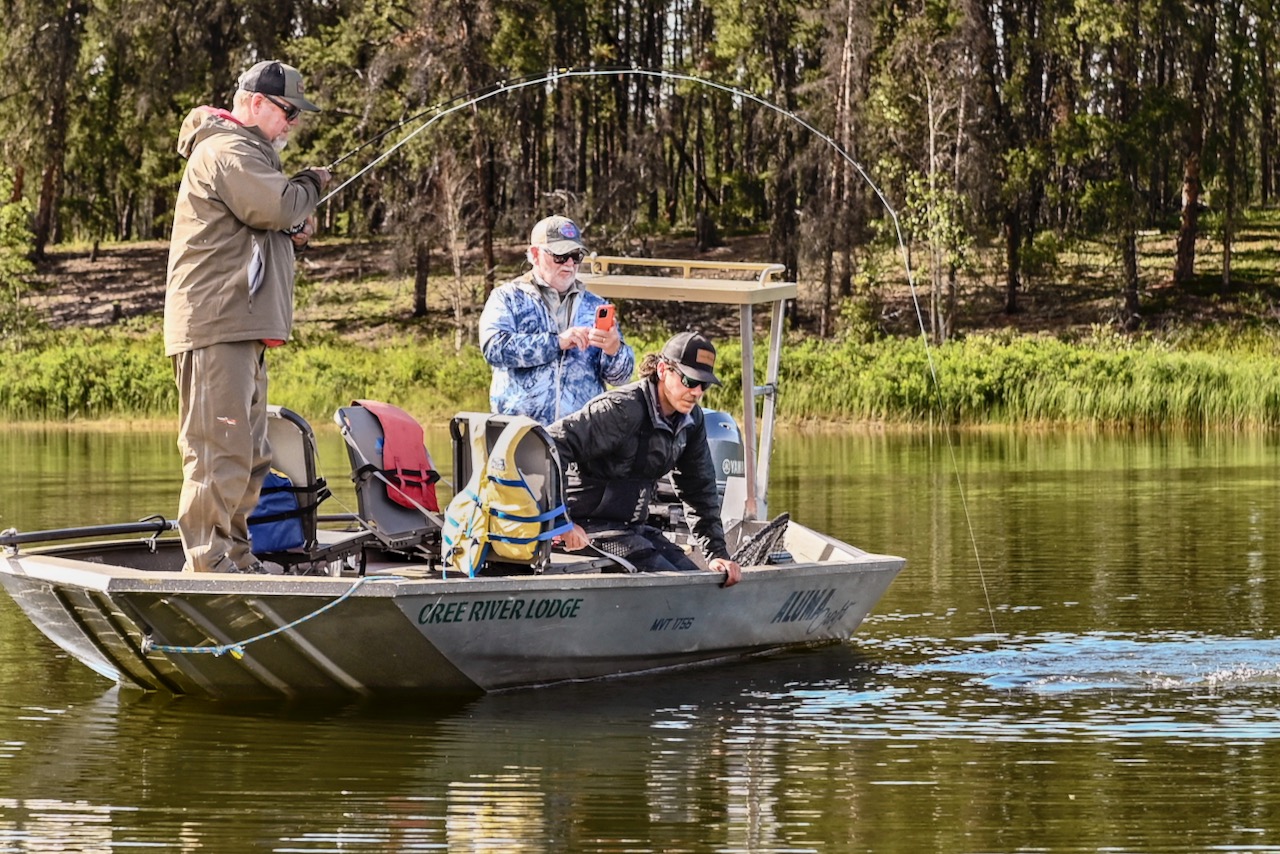

CLICK BAIT
Don’t risk the health of your catches to earn online attention
Advertisement
In this age of social media and rising stars, there’s no shame in wanting a photo that celebrates fishing success. A well-framed shot tells a story, sparks a connection and celebrates the outdoor experience. But getting killer pics for online clicks may be more literal than most people realize. In the quest for likes, overhandling fish for the perfect photo can harm or even kill them.
Catch-and-release doesn’t mean much if the fish doesn’t swim away healthy—and that’s where knowledge, preparation and a little common sense come in. Learning to quickly and safely handle fish provides a sustainable solution, allowing everyone to enjoy the thrill of catching and sharing a scroll-stopping fish.
Advertisement
THE RISKS
Canada sees dramatic temperature fluctuations, from frigid winters to sweltering summers. Time out of the water during these extremes further stresses caught fish, creating a unique challenge for catch-and-release anglers. If we’re not careful, our handling practices can turn a successful catch into an unintentional kill. Fish may be tough in their element, but they’re incredibly vulnerable in ours.
In sub-zero air temperatures, delicate fish tissue quickly freezes. Gills, which are essential for oxygen exchange, are the first to freeze, followed by the eyes, meaning certain death for visual predators. Meanwhile, dry gloves, snow or ice-covered surfaces can strip away a fish’s protective slime layer, its first line of defence against infection. And while cold water slows a fish’s metabolism, it also slows its ability to heal and recover from the stress of being caught. A fish may swim off looking fine, only to succumb hours or days later.
Advertisement
In the heat of summer, the risks shift, but they’re just as serious. To begin with, warm water holds less dissolved oxygen, while air exposure ramps up a fish’s oxygen demand. It’s a dangerous combination. And in the hot summer air, gills can dry, compromising respiration, while body temperatures spike and the mucus layer quickly dries. Whether it’s the height of summer or the dead of winter, every second out of the water matters.
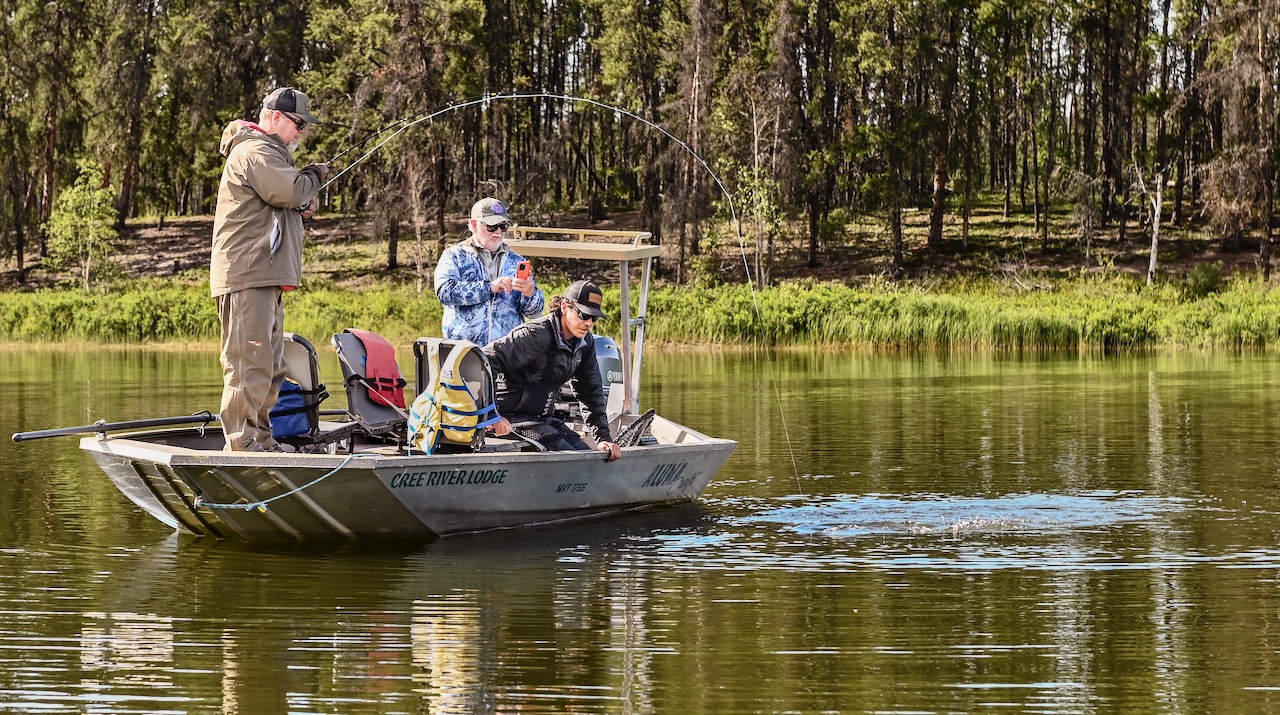 Make a plan to take quick photos
BEST PRACTICES
Advertisement
Improved fish handling starts with the hands. That slick coating on a fish isn’t just slime—it’s a biological barrier, rich in antimicrobial compounds. Along with protecting fish, it also helps them glide through the water. Dry hands can strip away that protection, so it’s critical to always wet your hands before handling any fish.
The Keep ’Em Wet rule—keeping fish out of the water for less than 10 seconds—should be your golden standard. With barbless hooks for a quick release, an organized set-up and a plan for your photo, it’s entirely possible. At the same time, think creatively. Do you really need to remove the fish from the water?
In-water photos not only reduce stress on the fish, but they can also make for unique, authentic images. If a lift is needed, make it quick and gentle. Also pay attention to where the fish touches down. Dry rocks, boat decks and snowbanks are all harmful to a fish’s protective coating. If you wouldn’t rub your cheek on it, don’t lay a fish on it.
There are also times when the best choice is not to fish at all. During extreme heat or cold, the stress of catch-and-release can be fatal, even with the best handling. Know when to call it a day and wait for better conditions. Also be sure to use rubber nets, reduce air exposure, and revive the fish properly before letting them go.
If a fish appears overly stressed or exhausted, bleeding or unable to hold itself upright, skip the photo. Not every fish needs a snapshot. And if you’ve already photographed a big fish, let the smaller ones go without taking them out of the water. A quick, careful release offers the best chance of survival. Sometimes, the most responsible story is the one you don’t post on social media.
Capturing a moment of fishing success and sharing it online can inspire others to get outside, cast a line and appreciate time on the water. Always keep in mind, though, that catching a fish is just one part of the experience. Releasing it in a strong, healthy condition is where the real satisfaction lies. Share your moment proudly, but always fish with intention. The future of our fisheries depends on it.