


CANINE CONFLICTS
Safety measures every hunter should know
Advertisement
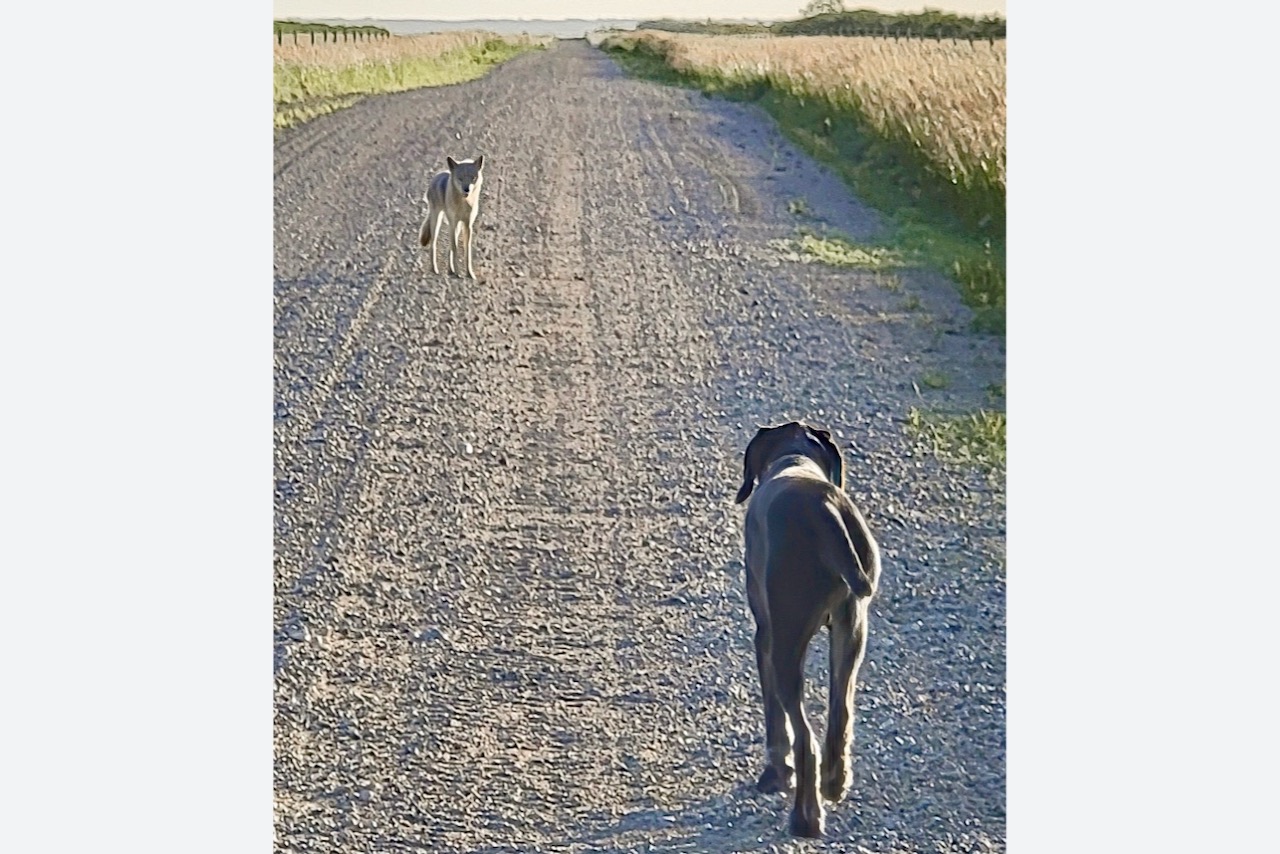
In a dog-eat-dog world, coyotes and wolves don’t take kindly to gun dogs invading their space. Chases, injuries, disease and death are possible outcomes of contact between domestic and wild dogs. For the dog owner, savvy choices, obedience training and modern technology can make the difference between avoiding conflict and heading to the vet.
Advertisement
TURF WARS
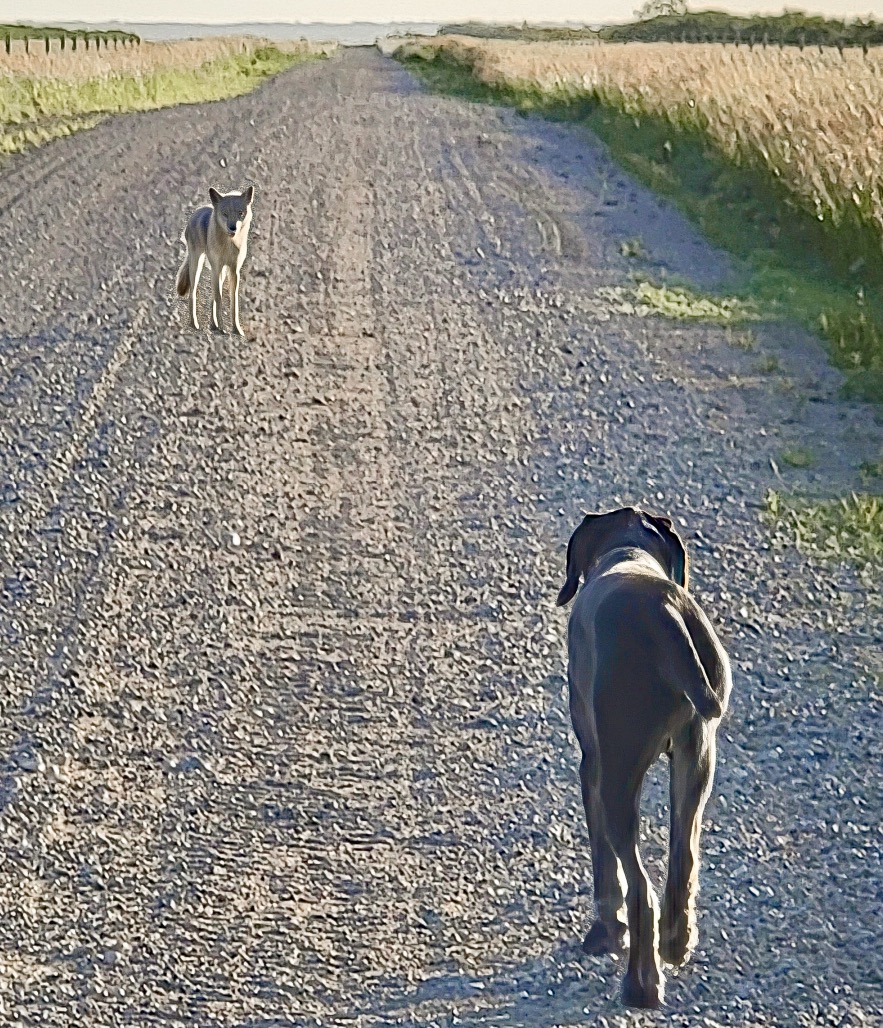
Coyotes and wolves are territorial and see other canines as competition for food resources, as well as a threat to their pups—aggression peaks during the breeding and rearing seasons. Female coyotes will sometimes act playfully or retreat slowly to draw a dog away from its handler before staging an ambush. Interactions with wolves, which are typically territorial, are often serious.
SURE SIGNS
Advertisement
Scat, tracks, sightings and vocalizations are all clues of coyote or wolf activity in the vicinity. In areas with a lot of sign, be particularly vigilant, especially when it comes to wolves. It’s also helpful to learn how to interpret canine behaviour. A coyote that stands its ground and barks, for example, is ready to fight. And if it’s sick with distemper, rabies or mange, it may behave differently and pose a health risk. Wolves are a greater threat to wide-ranging dogs, such as hounds that track bears and cougars.
SAFETY MEASURES
To track your dog’s precise location, a GPS collar can provide peace of mind, especially if it features a callback tone signalling the dog to return. When conditioning your dog with an e-collar, practise and reward consistent obedience. It’s also a good idea to keep dogs close by in high-risk areas. Avoidance is the overall key to safety, so steer clear of active den sites and game carcasses. If a coyote or wolf follows your dog back to you, thwart the attack with a warning shot, bear spray or whatever’s at hand.