


Fly-In Fishing Trips, What Anglers Should Know
Sponsored
Advertisement
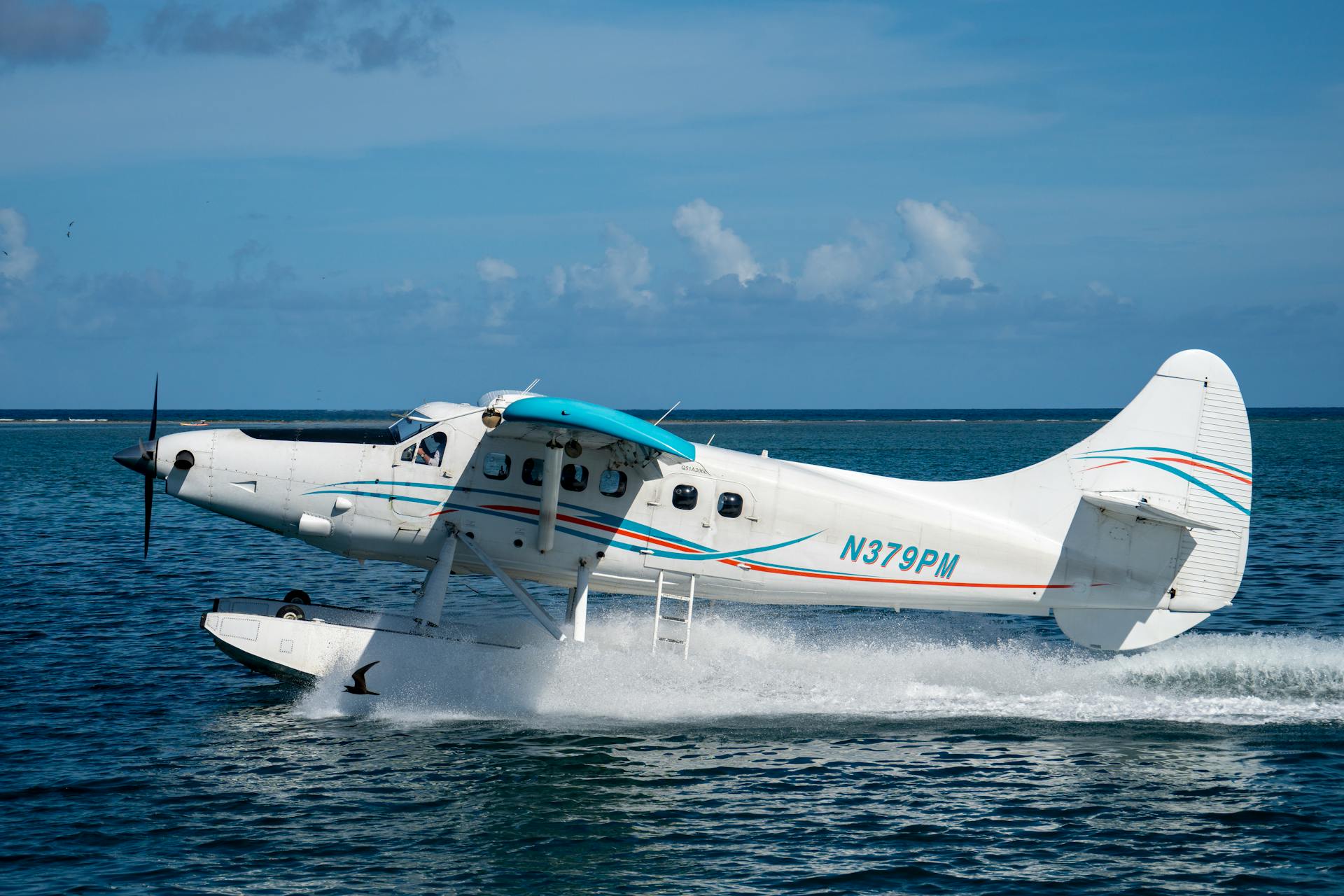
Few experiences can rival the thrill of a fly-in fishing trip for any angler. That’s because you get a chance to cast a fishing line in pristine and remote waters reachable only by floatplane. The best part? These trips combine the excitement of wilderness exploration with the serenity of untouched fishing grounds.
What’s more, they ensure you can have open-access to fish-rich habitats that most travelers will never see. And to make the most of the fly-in fishing trips, you need careful planning and realistic expectations.
Advertisement
This will enable you to make the most of your fly-in fishing trip. So, stick with us to learn what anglers should know about fly-in fishing trips.
 Source: Pexels
Connectivity planning for fly-in fishing trips using eSIMs
One essential thing that you should know about as a serious angler is that connectivity is a must-have for your fly-in fishing trip. That’s because you’ll be traveling into remote regions for fishing, and you’ll need to stay connected for safety, coordination, and your peace of mind.
So, how can you stay connected? Well, relying on the standard SIM cards can prove to be unreliable. At the same time, wi-fi may not be available in remote regions. The best and smartest option for you is an eSIM.
Advertisement
An eSIM allows anglers to activate multiple carrier profiles without changing physical SIM cards. This increases the chances of connecting to any available network near bushes, airstrips, lodges, or nearby settlements.
Also, it ensures users can access stable and strong connectivity in remote regions. So, for example, if you are planning a fly-in fishing trip in the remote regions of Peru, the best eSIM for Peru is the smartest option you can consider. It will allow you to connect to local networks.
Advertisement
So, you can use it to do the following:
- Access weather updates
- Get flight updates
- Access emergency contacts instantly
- Access GPS navigation and digital maps
Selecting the best fly-in fishing lodges
In addition to connectivity, you also need to select the best fly-in fishing lodges. Here is how you can do that:
Know what kind of trip you want
Before you start looking for lodges, know what kind of fishing trip experience you are after. It can be a true backcountry adventure with basic cabins and self-guided fishing. On the other hand, it can include having a chef, guide, and comfortable beds. When you know what kind of trip you want, you can easily make a decision on the type of lodge to pick.
Match the lodge to your target fish
Different lodges specialize in different species and styles of fishing. Therefore, line up the lodge you choose with what you want to catch. For example, northern Canada is famous for giant pike and walleye.
On the other hand, Alaska and parts of northern Ontario excel for salmon, trout, and Arctic char. So, consider your target fish species before you choose a lodge.
Match the lodge with your skill level
There are lodges best for beginners and those ideal for seasoned anglers. Thus, if you’re a beginner or bringing less experienced anglers, look for a lodge that offers guided trips. Also, get one that is known for being beginner-friendly.
A good guide can make a huge difference in learning techniques, finding fish, and staying safe on unfamiliar waters. On the other hand, if you are an experienced angler, you can choose an unguided outpost or a lodge that lets you explore on your own.
Gear considerations for remote waters
 Source: Pexels
An essential point to note is that fly-in fishing trips often offer little room for gear replacement or resupply. That’s because it involves traveling by floatplanes to remote lodges or cabins on isolated lakes.
Therefore, gear consideration should be at the top of any angler’s list before the trip. It can include:
- Prioritizing versatile and durable equipment that can handle changing weather and multiple fishing conditions.
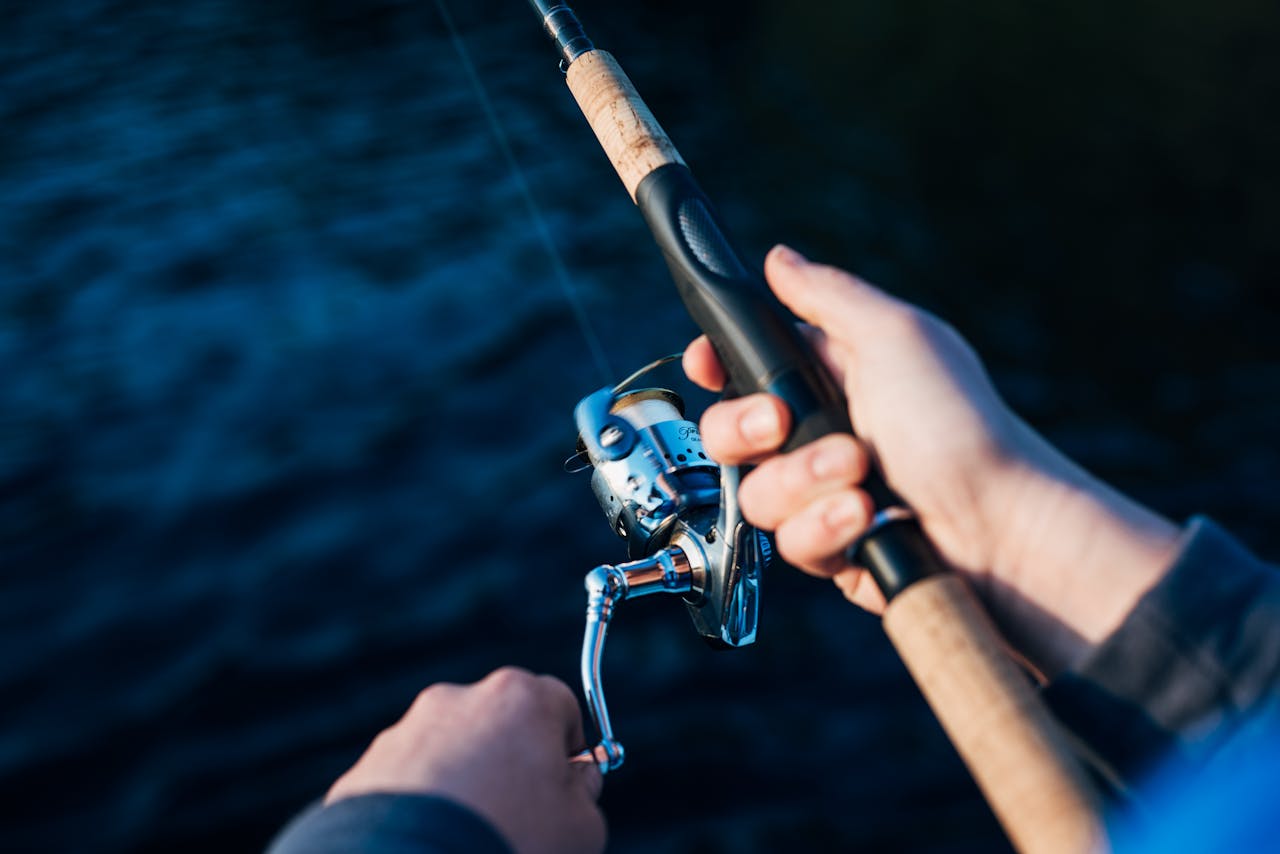
- Having rod and reel setups that are suitable for specific fish species. They should also be lightweight for air travel restrictions.
- Packing spare essentials, such as leaders, hooks, and basic repair tools. This can help prevent small issues from ending your fishing trip early.
- Choosing layering for clothing choices. You can consider a moisture-wicking base layer, an insulating mid-layer, and a waterproof rain jacket and pants. Also, have a wide-brimmed hat and polarised sunglasses for sun protection and spotting fish.
- Having footwear that balances comfort, traction, and water-resistance.
- Packing safety and navigation gear, including a headlamp, fast-aid kit, compass, personal locator beacon, GPS device, or phone with offline maps.
- Protecting electronics, such as cameras and phones. with waterproof cases.
- Labeling your gear correctly.
- Keeping a simple checklist so nothing gets left behind.
Weather, water conditions, and timing
Weather, water conditions, and timing can impact the success and safety of your fly-in fishing trip. That’s because the weather can affect how and where you fish. For example, calm, sunny days can make fish move deeper into the waters.
At the same time, light winds will make them swim near the surface. So, you’ll need to adjust your fishing based on the weather. When it comes to water conditions, water clarity and temperature can influence fish visibility and presence.
For example, water temperatures of 45°F and 65°F are perfect for fishing trout, while about 67°F is not. On the other hand, fishing when water clarity is off color is better as fish are less wary, while clear water fishing requires a stealthy approach as fish become wary.
Also, the timing you choose will determine whether your fly-in fishing trip is successful. Therefore, before and during your trip, make sure you stay flexible and ready to adapt to the weather and water conditions. In addition, talk to your lodge staff to know the best local fishing season for better timing.
Conservation and responsible angling practices
Fly-in fishing will take you to some of the last truly wild and undisturbed waters on the planet. In these destinations, fish populations are healthy but still vulnerable. Therefore, it’s essential that you follow conservation and responsible angling practices, such as:
- Follow all local fishing regulations, such as size limits and daily catch limits.
- Respect catch-and-release policies by using barbless hooks, minimizing fight time, and releasing fish quickly and gently so they have the best chance of survival.
- Minimize environmental impact by respecting shoreline habitats and avoiding unnecessary disturbance.
- Dispose of waste properly
This content was sponsored.