

FAKE OUT
There are more ways to catch, than to simply match the hatch
Advertisement
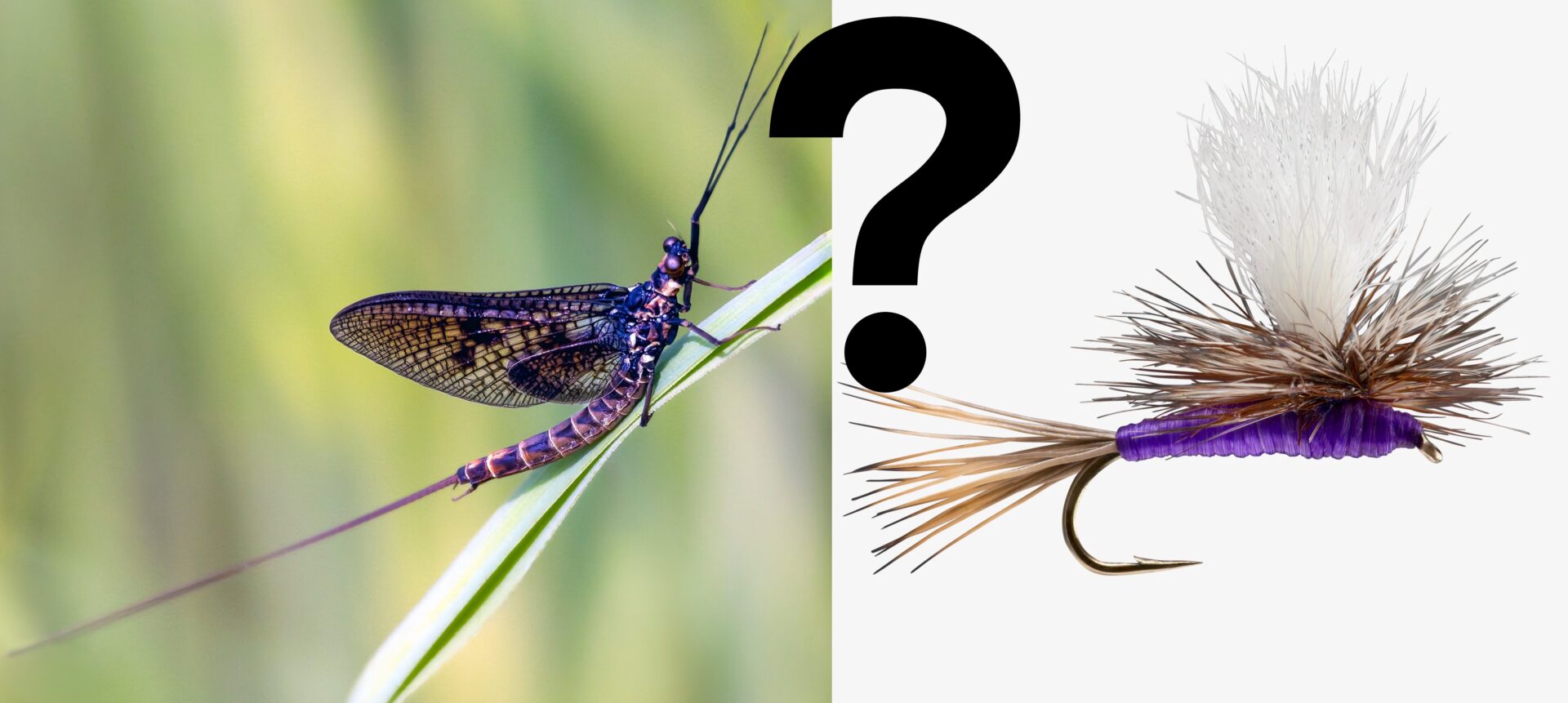 Trying to closely match the hatch can be befuddling
MATCH MISSES
I started fly fishing in 1985 at the impressionable age of 15, and took hatch matching as an article of faith. Now I’m convinced it’s often counterproductive. For one, it leaves you in a muddle if your imitations don’t match the naturals or you can’t find any bugs to match. Confidence keeps you focussed, engaged and fishing well; when you’re second-guessing your fly choices, the opposite happens. This feeds into the most harmful aspect of hatch matching.
An intense focus on accurate imitations makes anglers think that choosing the right pattern is the most crucial factor in fly fishing. It’s not. Presentation is almost always more important. Fly-fishing lore overflows with tales of selective fish fooled by the perfect fly. A few are legit, but most can be explained by anglers inadvertently changing their presentation—not by switching to an Ephemerella excrucians fly that’s light taupe instead of ecru.
Advertisement
If you cast to a promising lie and don’t get a hit, you’re much better off to change your position, the length or angle of your cast, or the fly’s depth, speed or movement. Only when that doesn’t work should you consider changing flies—or just move to a new spot. I’ve watched anglers stand knee-deep in a run, tying on fly after fly, then declare the fish “too educated” to catch. Given a fish’s BB-sized brain, that seems doubtful.
Gamefish, even the holy trout, are not cultured or delicate. They are, however, exquisite predators, with a powerful drive to strike prey that appears edible and easy to catch. That is what I strive to match.
MATCH ACTIONS
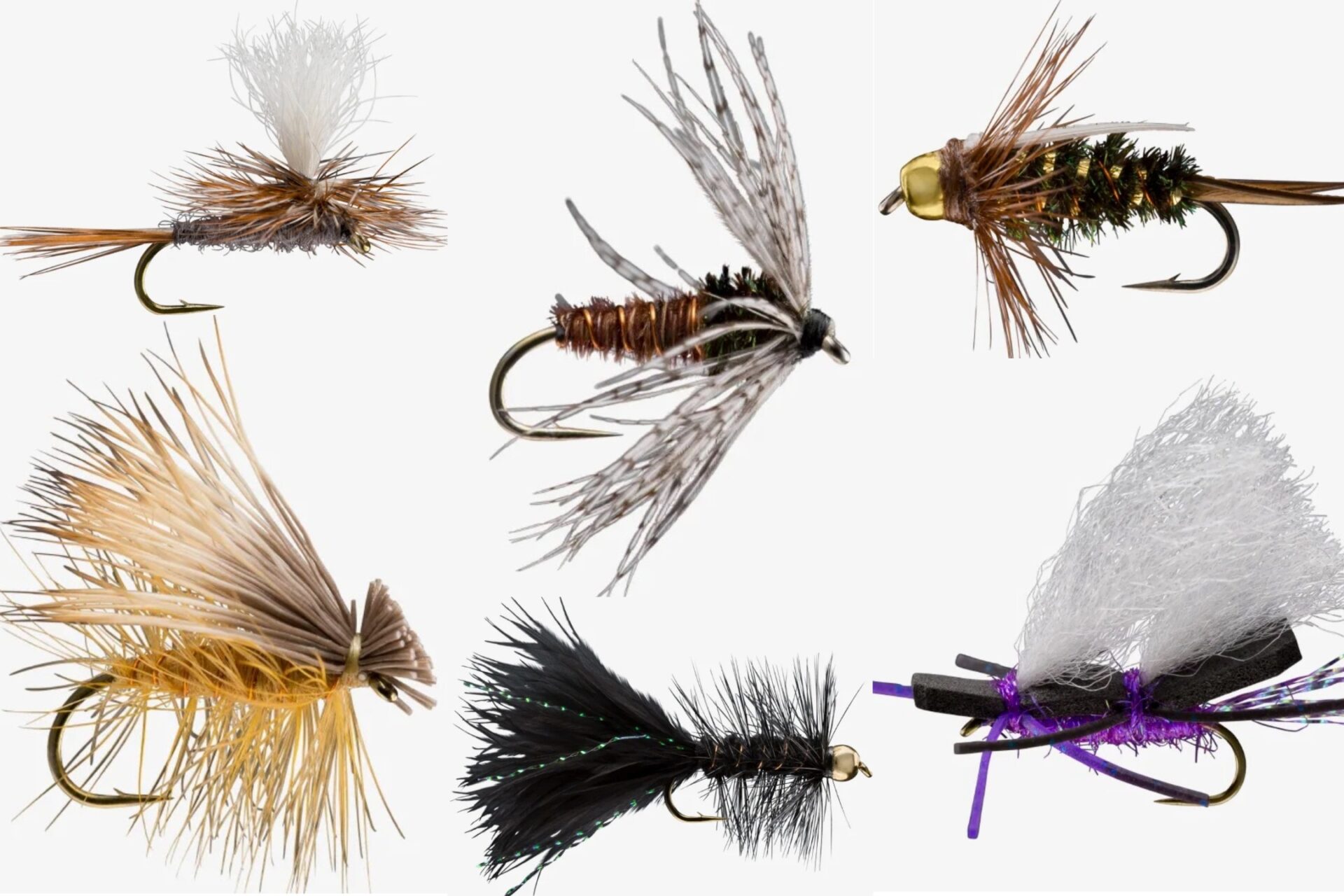
Whether I’m fishing near home or afar, I mostly carry generally imitative patterns that don’t look like anything specific, yet drift or swim in lifelike, bite-triggering ways. My go-tos include modern classics such as the Parachute Adams, Elk Hair Caddis, Bead-Head Soft Hackle, Chernobyl Ant, Woolly Bugger and Cone-Head Muddler, plus a few oddballs like worms and mice.
Advertisement
So, how do I pick a fly? On the rare occasions I encounter overwhelmingly obvious insect activity, I’ll attempt a casual match. But mostly, I consider the target species, region, season and water conditions, then tie on something that seems like a plausible prey item. If this takes longer than a minute, I’m over-thinking. I spend a lot more time figuring out how to cast my fly to the right spot, get it to the right depth and ensure it moves correctly.
These days, my guiding philosophy comes from a grizzled mentor who liked to point out that the short, fraught life of a gamefish is a balance between constant, nagging hunger and fear of predation. It took me decades of flailing around, but I eventually realized he was right. Now I follow his simple advice: “Just put something tasty-looking in front of the fish, and let their stomachs and hunting instincts do the rest.”
Advertisement