


GOING WITH THE FLOW
A streamside look at Trout Unlimited Canada’s quiet rebranding as Freshwater Conservation Canada
Advertisement
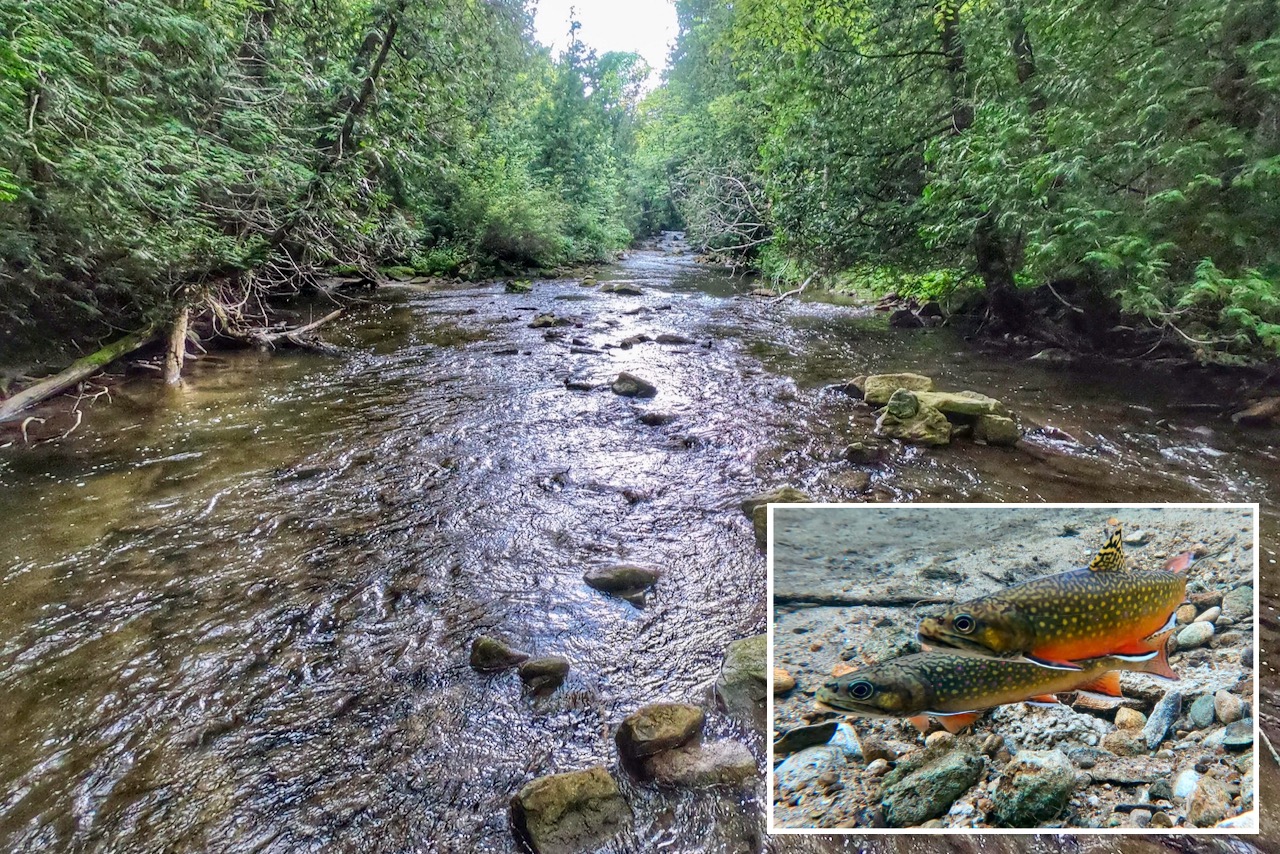
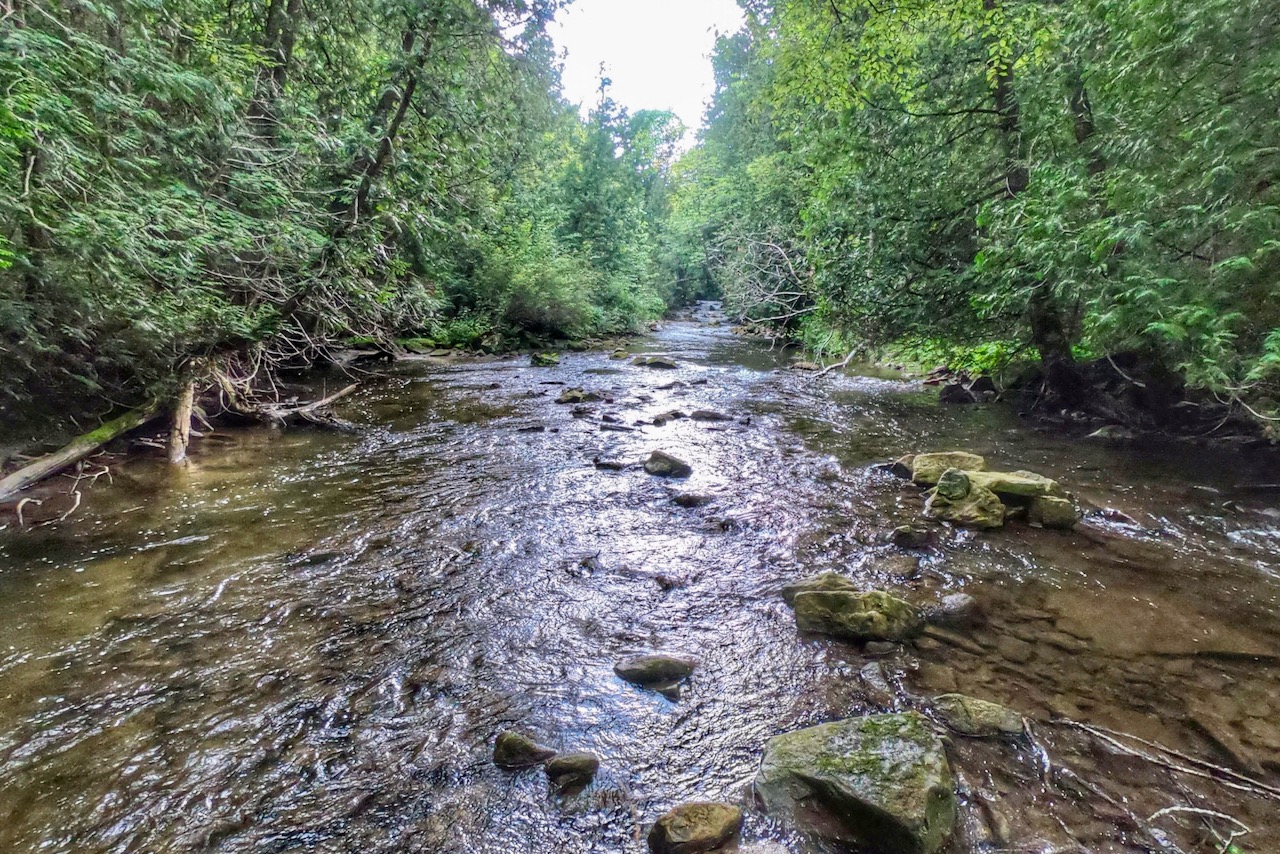 The West Credit River is threatened by nearby development
So, what did the group gathered on the banks of the West Credit think about TUC’s new identity as FCC? For the Ice Dragons—key members of FCC’s next-generation audience—the new name felt like a natural fit. “Anglers are environmentally conscious, but there are many others who care, too,” says Phalp. “The broader name makes it more welcoming for groups like ours who are focused on conservation, not fishing. So yes, I’d say it was a smart move.”
Not everyone was immediately on board, however. “Personally, I preferred the old name because it’s iconic,” landowner Seymour admits. “But I’m okay with the new one. The focus on conservation is wonderful.”
Advertisement
For his part, Seymour’s husband sees the rebrand as a step in the right direction. “I like that the new name highlights their mission more clearly—maintaining and protecting rivers and streams,” Goyeche says. “It’s evocative of conservation.”
Learn more about the FCC rebranding at www.freshwaterconservationcanada.org.
Advertisement
AN EYE ON DEVELOPMENT
For West Credit River landowners Steve Goyeche and Ann Seymour, involvement in Freshwater Conservation Canada (FCC) is key to helping ensure urban sprawl does not harm surrounding watersheds. As members of the Coalition for the West Credit River (CWCR)—an alliance of residents and conservation groups, led in part by FCC’s Greg Clark Chapter—the couple support development, but believe it should face greater scrutiny and be guided by science, facts and a strong commitment to environmental responsibility that reflects a particular area’s historic and natural heritage.
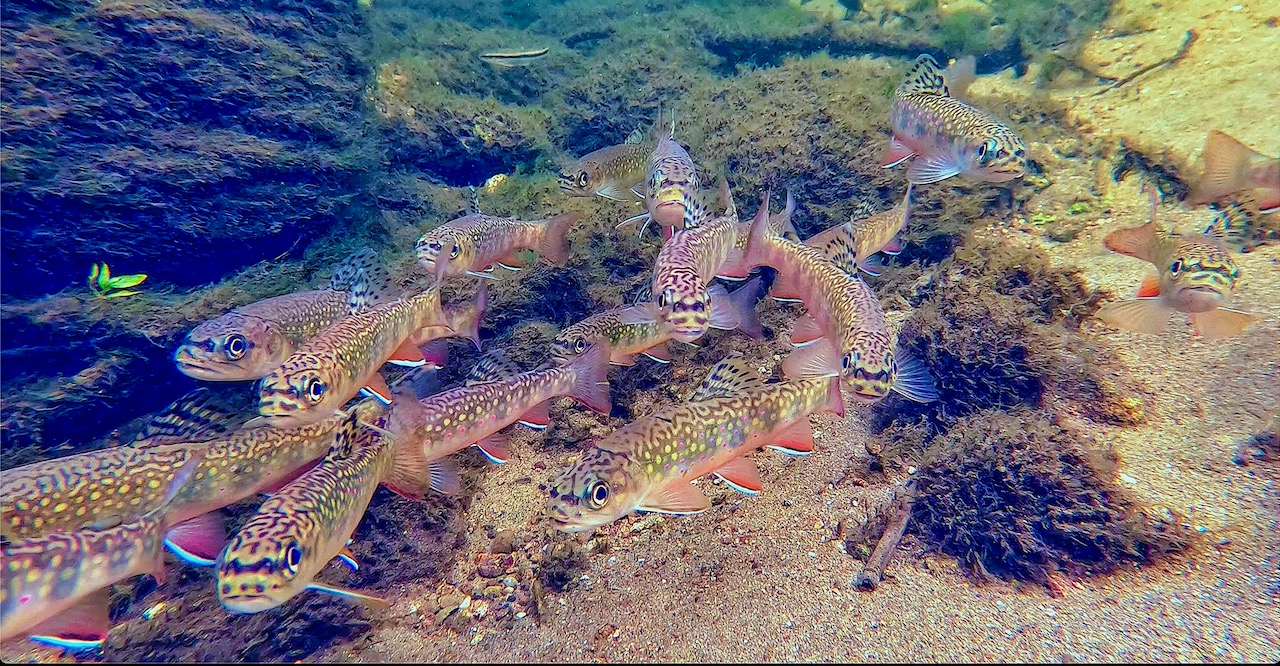
In particular, they worry nearby development could affect the West Credit’s biodiversity, threatening one of southern Ontario’s few remaining strongholds for wild brook trout. That includes a planned wastewater treatment plant to support new housing in the neighbouring upstream community of Erin.
To address the urgent need for housing, the Ontario government has committed roughly $1.3 billion through the Housing-Enabling Water Systems Fund (HEWSF) to support the construction of more than 600,000 new homes across the province. The funding helps municipalities such as Erin build and upgrade the critical water infrastructure needed for growth.
According to the Town of Erin website, new wastewater services are key to expanding its population from 4,400 to as many as 10,000 by 2040. Increased tax revenue from growth, the town says, could help improve services, phase out aging septic systems and support a range of housing, from starter homes to senior-friendly options.
WSP Global Inc., the engineering firm behind the Erin facility, reports on its webpage that the plant meets some of the toughest discharge standards in North America. It also includes Canada’s first municipal effluent cooling system, which will cap discharge temperatures at 19°C to protect cold-water ecosystems.
Nonetheless, the CWCR claims more could have been done and remains committed to making its voice heard as the plant moves into full operation as expected this fall. “It’s not about being anti-development. It’s about integrity—growing responsibly, informed by science,” says Goyeche. “The wastewater plant is a big focus, but it’s not the only concern.”
As both Goyeche and Seymour note, brook trout aren’t the only species in a river’s ecosystem—benthic organisms and other wildlife also depend on clean water, and all are affected by its quality. “A silver lining is working with other advocates,” Seymour says. “Everyone in the coalition—former government staff, engineers, aquatic biology experts—brings different knowledge. Together, we cover the whole picture.”