

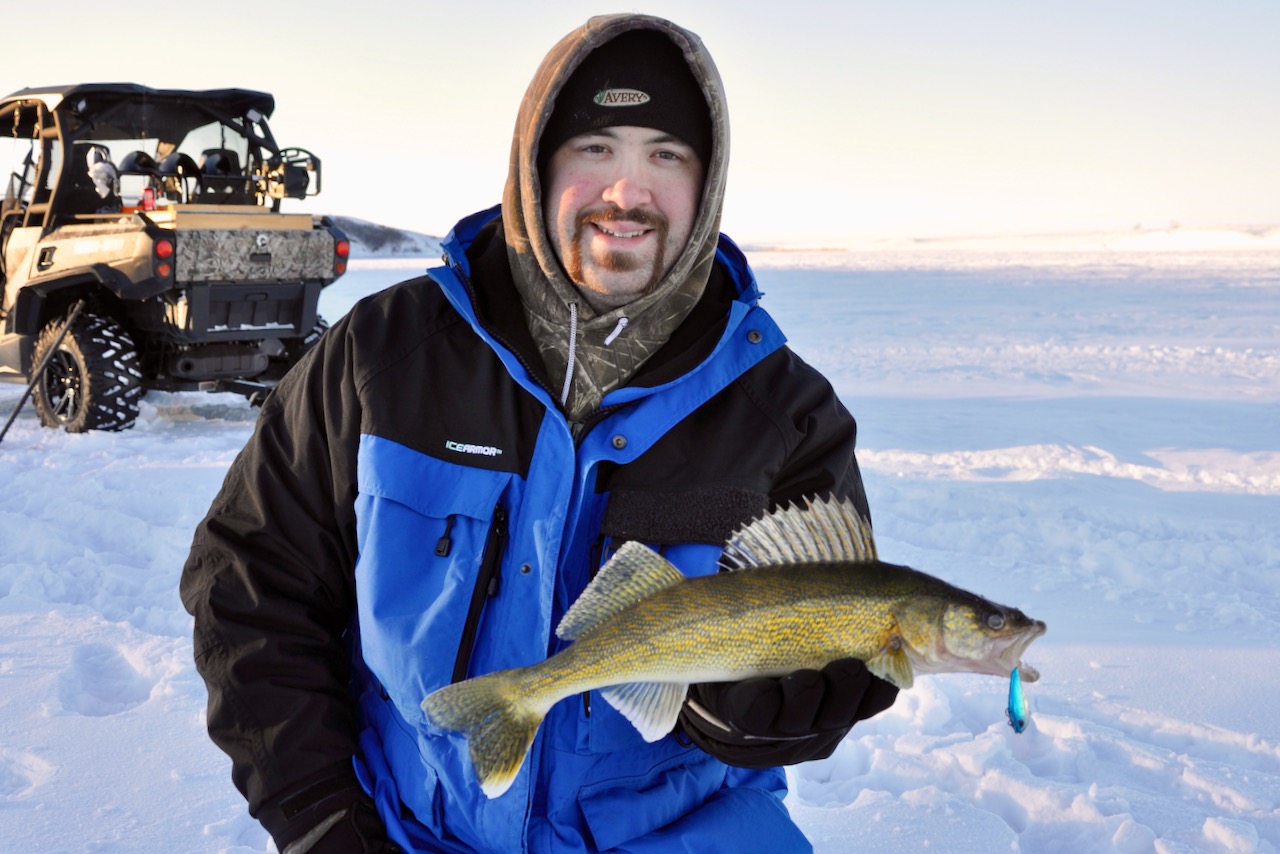

RATTLE AND HUM
Lipless crankbaits bring the noise, flash and action to wake up and attract wintertime fish
Advertisement
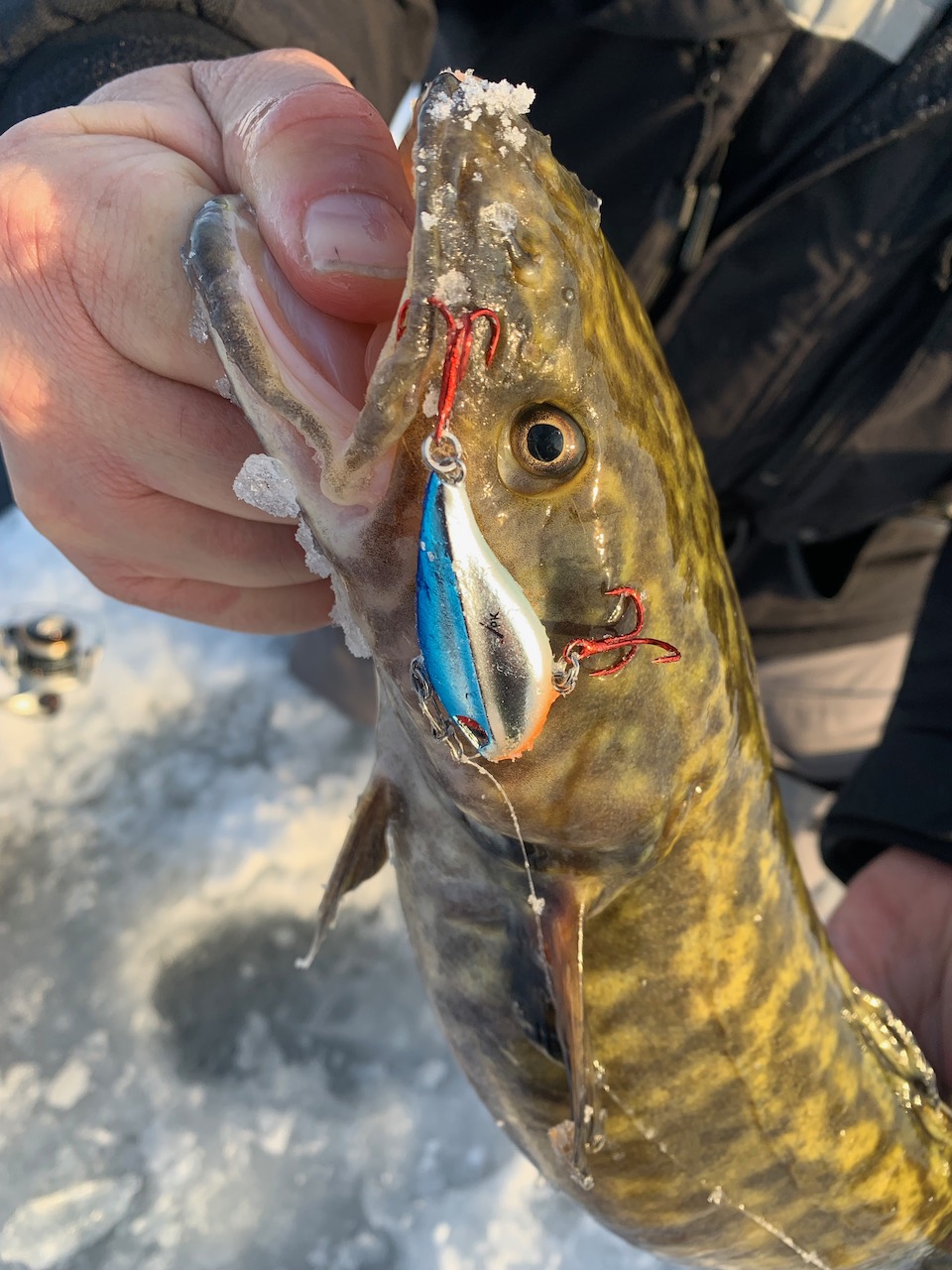 Even wintertime burbot will hammer a lipless crank
THE LURES
Featuring hard, minnow-shaped bodies with flat sides, lipless crankbaits are internally weighted toward the nose so they drop quickly. As the name implies, they don’t have a lip or bill, so the line-tie eye is on top of the lure instead of out the front. This overall design makes these lures move erratically when jigged upwards, then flutter down and suspend horizontally. They typically have one treblehook near the front and a second one at the back; some also sport built-in rattles.
SIZE: For ice fishing, lipless cranks generally range from 1½ to three inches in length, although manufacturers usually categorize them by weight. Ultralight lures in the 1/16- to 1/8-ounce range are intended for small panfish in shallow to moderate depths, while cranks in the 3/16- to ¼-ounce range are a versatile choice for larger panfish and mid-sized gamefish in medium depths. Going even bigger, 5/16- to 3/8-ounce models are good for walleye and pike in deeper water, while half-ounce and larger cranks are primarily meant for pike and lake trout in deep water. All that said, I ultimately choose a size that just seems like a good-sized meal for my target species.
Advertisement
COLOUR: Lipless crankbaits come in a variety of colours, which can make deciding which ones to buy and use a little overwhelming. Since these lures are designed to imitate injured baitfish, you can’t go wrong with silver, grey, gold, white and blue, or patterns such as yellow perch that match the predominant baitfish in the waterbody you’re fishing.
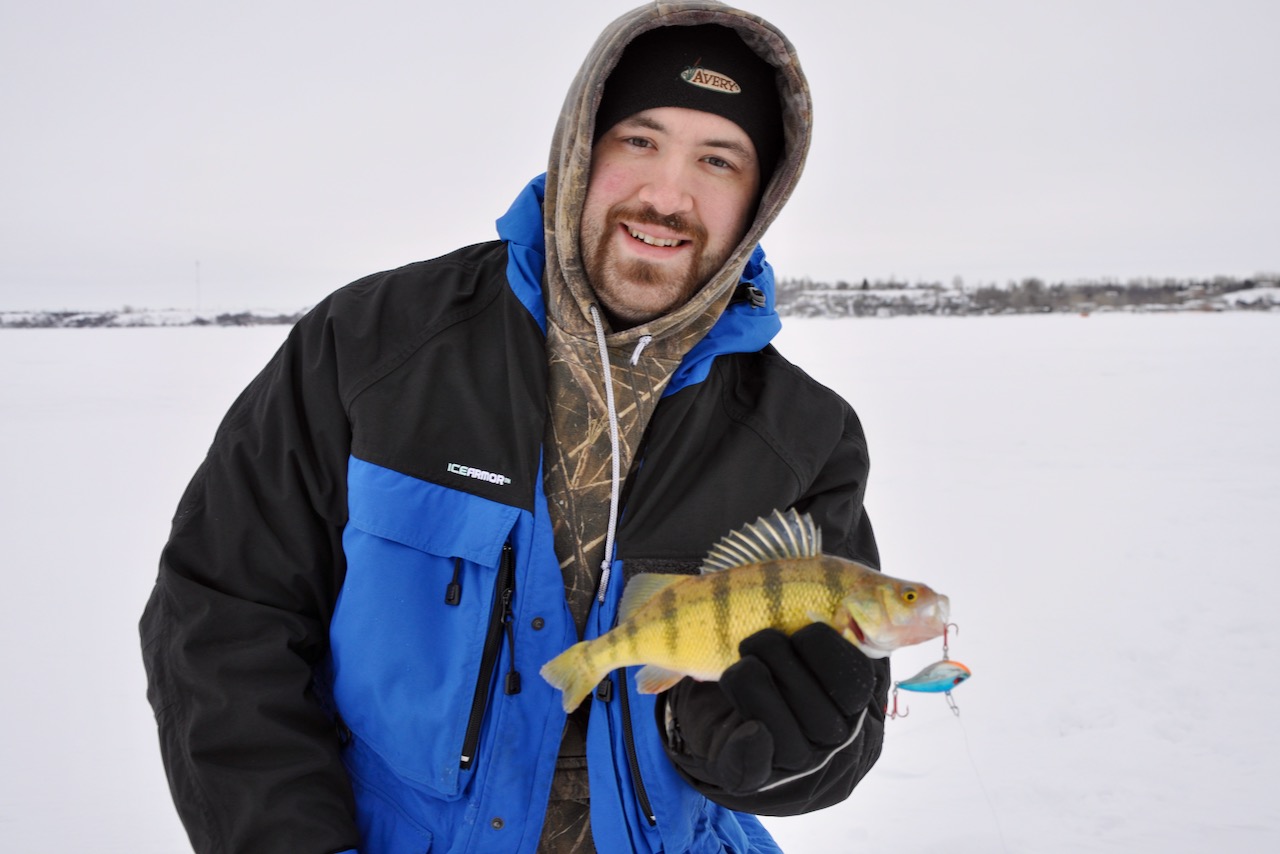 Fish can’t resist a lipless crank’s erratic action when jigged
On cloudy days, or when you’re fishing in stained or murky water, try using bright or psychedelic colours such as pink, orange, chartreuse and firetiger, which are more visible than baitfish colours. When you’re fishing in low-light conditions, meanwhile, glow-style lures are the most visible to the fish. Just remember to regularly recharge the baits with a UV LED flashlight to ensure they glow brightly.
SOUND: Some lipless cranks include internal rattles that make noise when they move up and down the water column. Not all rattle-style cranks sound the same, however, with some louder than others. Much of this is due to the type of rattle used, such as steel or tungsten, and where it’s positioned in the lure’s body. I like to carry a variety of louder and quieter rattle baits with me, since some days the fish will show a preference for one or the other. Simply shaking the lures at the tackle shop will help you figure out what sounds they make.
Advertisement
When I’m jigging for aggressive fish or trying to attract distant fish, I use my loudest lures, making as much noise as possible by ripping them upwards hard enough for me to feel the rattles shake. I only use lipless cranks without rattles when I know the fish are in a negative mood and require a subtle presentation to make them bite.
HOOKS: If you’re missing hook-ups when fishing with lipless cranks, try swapping out the factory treblehooks with sharper, better-quality trebles of the same size. That can make a big difference. A second option is to replace the factory hooks with wide-gap hooks that are one size larger, making for a better hook-up ratio. Similarly, you can upsize the back hook with one that is a size or two larger than the front hook. Whichever option you choose, give the lure a good shake after swapping in the new hooks to ensure they don’t get tangled together. If they do, opt for slightly smaller hooks.
Advertisement
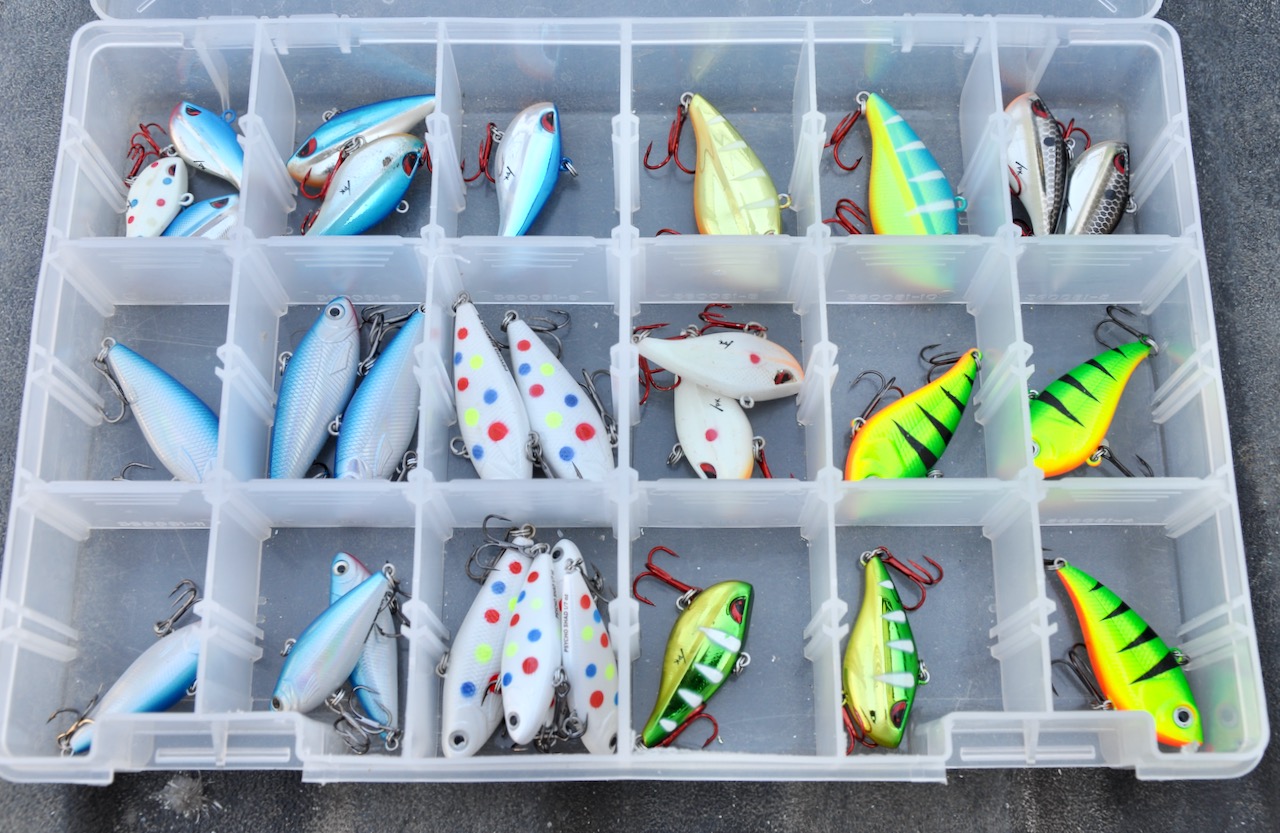
BEST BETS: The author’s fave lipless cranks include:
- PK Lures PK Ridge Rattl’r
- Clam Outdoor Psycho Shad
- Bass Pro Shops XPS Ice Rattle Shad
- Rapala Rattlin’ Rapala
- Acme Reef Runner Flash Shad