

A WHOLE NEW APPROACH
Promising simplicity, versatility and access to new waters, kayaks are the ultimate fishing machines. Here’s how to get in on the action
Advertisement
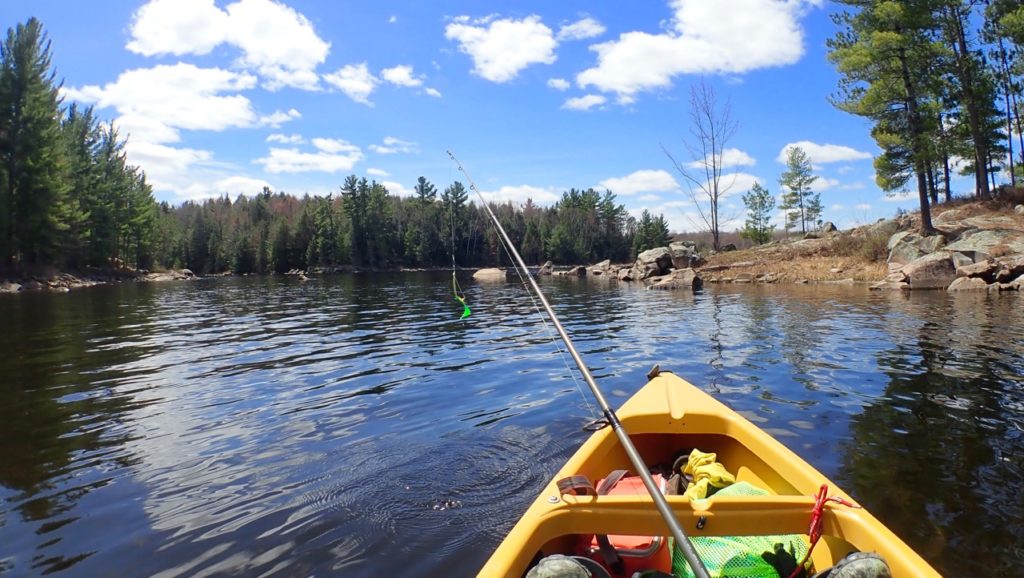
When I got my fishing kayak 10 years ago, I was pretty sure I’d have a little fun with it. But I never imagined the way it would totally transform my angling life. It all started when I was poking around online classified ads for outdoor gear, and I saw a used fishing kayak for sale. As an apartment dweller without a driveway or garage (or much disposable income), I’d never owned a boat, and I’d never even been in a kayak. But after 25 years of mostly fishing from shorelines and riverbanks, I was ready for a change, so I took the plunge.Since then, kayak fishing has exploded in popularity, and for good reason. Modern kayaks are stable, roomy and easy to use, offering pinpoint boat control and highly refined fishing features. Kayaks are also easy to store, transport and launch. As well, they require minimal maintenance and—outside of a meteor strike—they’re virtually indestructible.
Advertisement
Even the most expensive kayaks cost way less than motorboats, and they have zero seasonal operating costs. In fact, most serious kayak anglers I know used to be powerboaters, but got they tired of the hassle and expense. And once they joined the plastic navy, they discovered the same thing I did: Kayaks are absolute fishing machines.
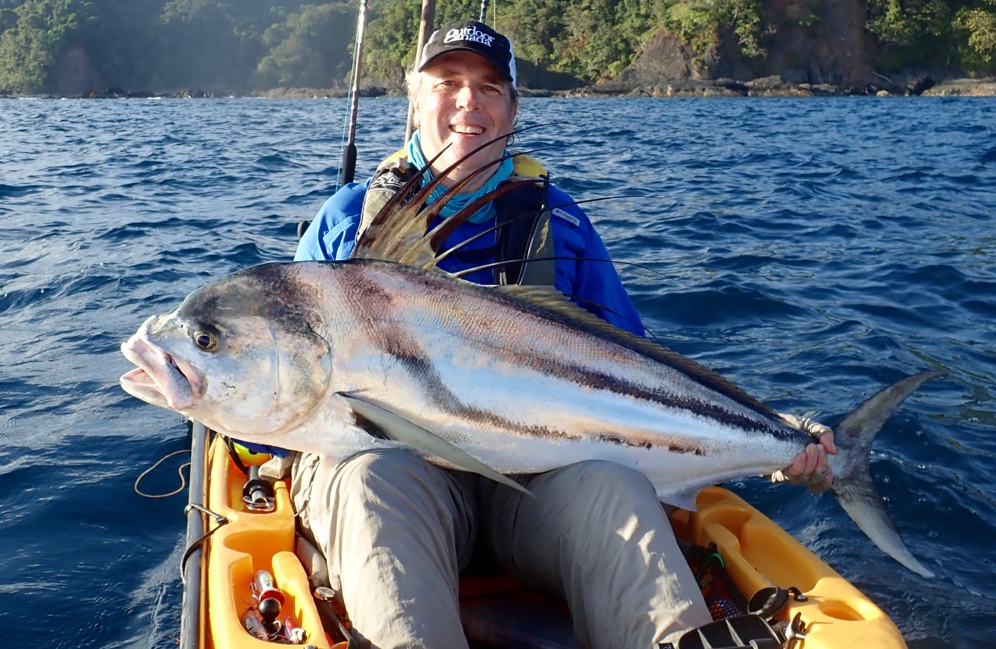 The author with a kayak-caught roosterfish, off Panama’s Pacific coast
I’ve spent more than 400 days kayak fishing, in water ranging from suburban ponds to wilderness lakes to the wide-open Pacific Ocean. I’ve caught 23 species of fresh- and saltwater fish, including trophy pike and bass, and, in January of 2020, a 50-pound roosterfish. There’s no boat I’d rather use for my day-to-day fishing adventures. That said, my first seasons were a bit lean as I learned the tactics, techniques and locations where fishing kayaks shine. So, if you’ve recently joined the ranks of kayak anglers—or you’re seriously contemplating it—here are some tips for getting the most out of your time on the water.
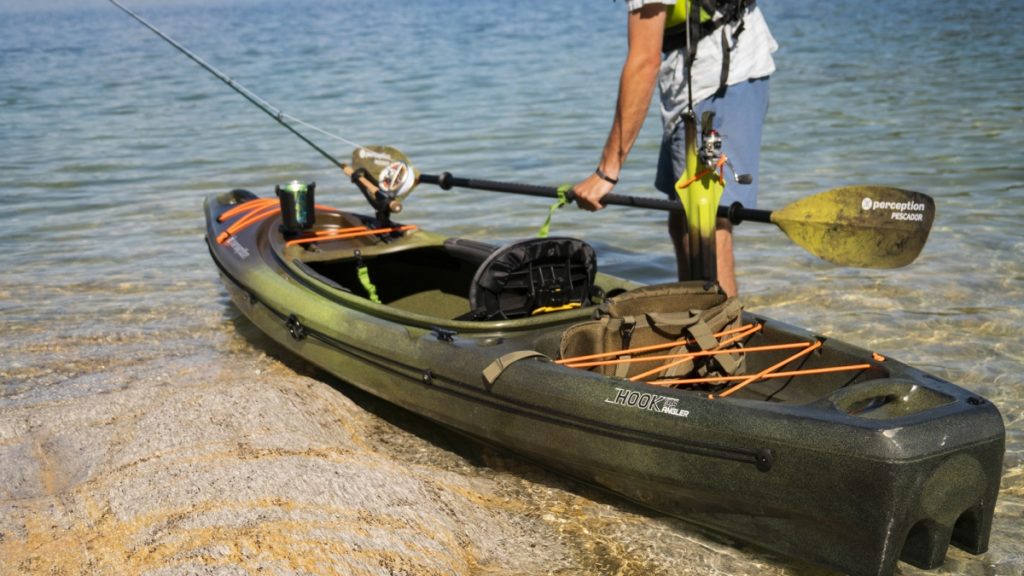 Sit-in kayaks have a traditional cockpit
#1 USE THE RIGHT BOAT
There’s no one-size-fits-all fishing kayak, so you need a boat that suits where and how you like to fish. With that in mind, the main factors to consider are: style, size, propulsion and budget.
Advertisement
STYLE
The two main boat styles are sit-in kayaks (SIKs) with a traditional cockpit, and sit-on-top (SOT) kayaks, which resemble a surfboard with moulded-in seats and storage wells.
Advertisement
Most serious anglers prefer SOTs, which are self-draining and exceptionally stable. They also offer great freedom of movement. However, SOTs are heavier and pricier than cockpit-style boats. You’re also more exposed to the elements, and often need to wear a dry suit. SIKs designed for fishing are more stable than traditional kayaks, with larger cockpits and more accessible storage, but they’re still confining compared to wide-open SOTs.
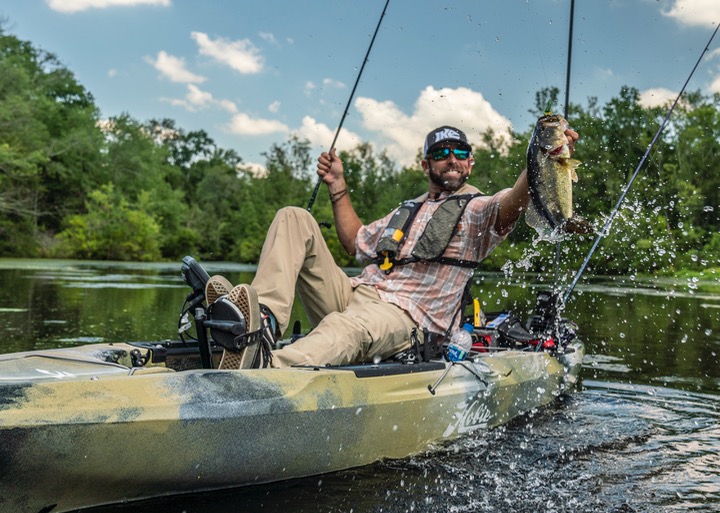 Sit-on-top kayaks resemble a moulded surfboard. Many are also powered by a pedal drive system
SIZE
Size is also crucial. Shorter kayaks manoeuvre better in tight quarters and rivers, while longer boats are faster and travel straighter (known as tracking). Wider boats are generally more stable, but they also take more effort to propel. And pay attention to the kayak’s weight if you plan to portage it or need to lift it onto the roof of your vehicle.
PROPULSION
Pedal-drive kayaks travel faster and further with less effort, and leave your hands free, which many anglers love. However, pedal boats are bulkier, heavier and cost up to four times as much as comparable paddle kayaks. Most drive systems are very reliable, but they still require some care and maintenance. And any mechanical device can break down, especially if it’s used around water, rocks and sand. For all these reasons, a dedicated minority of kayak anglers (including me) still prefer the simplicity of paddling. If you choose to paddle, learn to use your powerful core muscles, not just your arms. Poor form will tire you out quickly; good form lets you fish all day.
BUDGET
Inexpensive boats offer a great start, but they have limited features. As boats go up in price, you get better designs, workmanship and accessories, including premium seats, which make long days a lot more enjoyable. Used boats are also worth considering, especially since you can see exactly what you’re getting, unlike more complex vehicles, which can conceal serious problems in their complex workings.
#2 GET THE ESSENTIAL ACCESSORIES
As is the case with all small boats, federal regulations require kayaks to carry a PFD for each person on board, a sound-signalling device, a buoyant heaving line and a bailer (except for SOTs, which are self-bailing). And all kayakers should always wear a PFD, with no exceptions, ever.
I also suggest a paddle leash. Recreational kayakers have to work pretty hard to lose a paddle overboard, but mishaps are a lot more likely when you’re distracted by a fish. Other essentials for a day on the water include layered clothing, rain gear, warm or water-friendly footwear (depending on the season), plus drinks and snacks.
I think rod holders are the most essential fishing accessory, both for trolling and for storing multiple rods. A close second is some kind of crate to store gear, fastened behind your seat where it’s out of the way, but easy to reach. There are numerous more sophisticated add-ons for specialized tactics, and most sonar companies offer kayak kits to install transducers and GPS/chartplotter units.