


SO, YOU WANT TO LIVE OFF-GRID…
Dreaming of escaping the rat race and embracing the backcountry? Here are 12 key factors to consider before making the big move
Advertisement
 Jennifer and Aron Toland live off-grid in B.C.
The off-grid lifestyle is defined by a profound connection to nature and a commitment to self-sufficiency, offering a unique and enriching experience. However, it also presents myriad challenges you must navigate, 365 days a year.
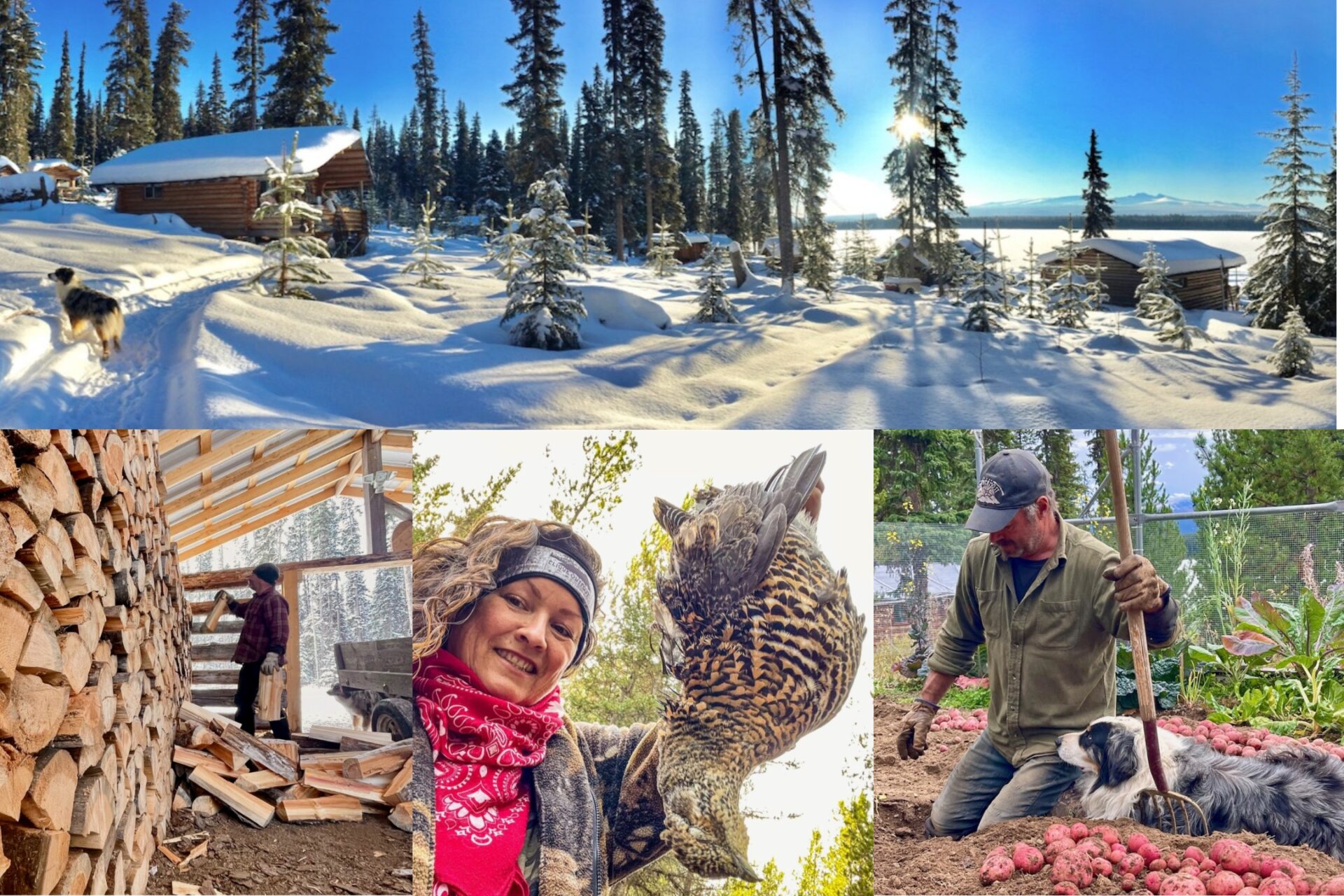
My husband, Aron, and I know this all too well. In 2016, we escaped the rat race and now thrive extremely far off the grid, operating a remote fishing resort on Eliguk Lake in B.C.’s West Chilcotin region—eight hours by trail from the nearest community. If you’re also planning to pursue off-grid living, here are the major challenges you need to keep in mind…
Advertisement
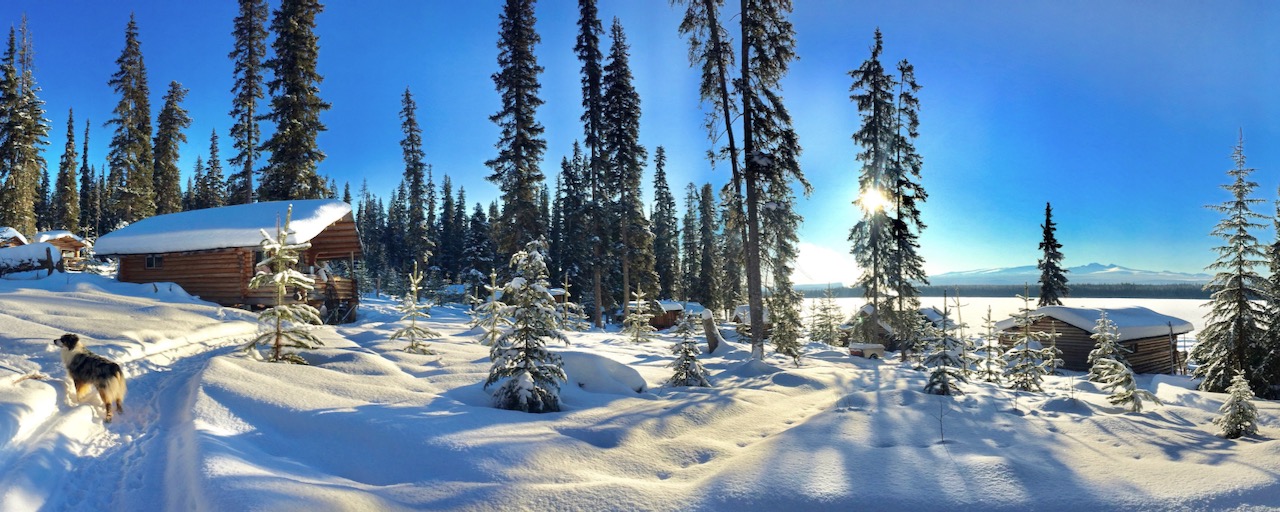 The Toland’s lodge is eight hours by trail from the closest community
#1 CLEAN WATER
One of the most pressing needs is securing reliable access to clean water. Effective strategies include harvesting rainwater, drawing from nearby natural springs and integrating advanced filtration systems. Without those vital resources, the challenges of staying hydrated and maintaining personal hygiene can quickly escalate.
#2 FOOD SUPPLY
Advertisement
With -50°C winters and hard frost throughout the summer where we live, our wood-fired greenhouse has been a life-saver, allowing us to rotate crops from mid-March to the end of October. Planting vegetables in succession from our saved seeds ensures a continuous supply of fresh greens, which we also can, freeze and dehydrate for the winter pantry. Outside of the greenhouse, we can grow potatoes and brassicas for a three-month period thanks to a large frost blanket. Raising hardy foraging chickens for meat and eggs, meanwhile, ensures we have protein and the best nitrogen fertilizer for growing vegetables.
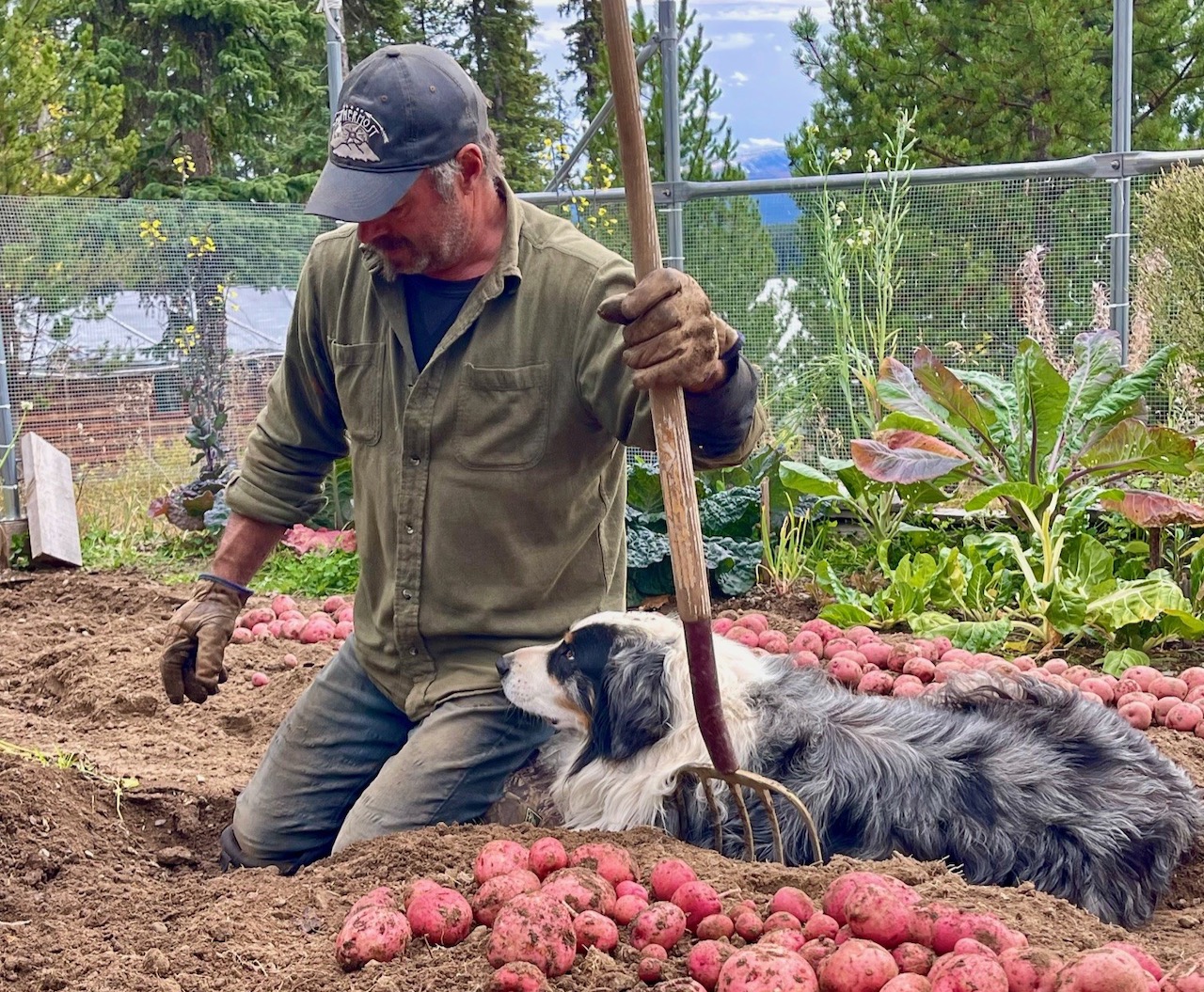 Aron harvests potatoes with one of the couple’s Australian shepherds
#3 FLORA & FAUNA
Advertisement
Proper plant identification is key when foraging for edible flora. Our rule of thumb is to not consume anything we can’t identify with 100 per cent certainty. We also practise sustainable harvesting by rotating our foraging spots for the likes of wild mint, Labrador tea, berries and mushrooms. As for fish and game, we abide by the local fishing and hunting regulations to balance our food security with conservation.
#4 SOLAR ENERGY
Harnessing the sun’s abundant energy stands out as a promising solution for off-grid power needs. However, accumulated dirt, snow, falling leaves and other debris can severely compromise the efficiency of solar panels. Regular maintenance, including diligent cleaning and optimal angling to capture sunlight, is essential to maximize energy production and sustain electrical needs.
 Sustainably hunted wildlife helps ensure food security
#5 WILDLIFE MANAGEMENT
Embracing an off-grid lifestyle means coexisting with local wildlife, which can be both awe-inspiring and potentially dangerous. It’s therefore critical to implement safe food foraging and storage practices, as well as gain a thorough understanding of the behaviours of nearby animals. That can significantly reduce the risk of unforeseen encounters—such as bears foraging for food—keeping both you and the local wildlife safe. We also have three male Australian shepherds that, while beloved pets, serve a vital role as protectors. We chose this breed for its agility, endurance and intelligence. They can keep pace with our quads and snow machines and, as a trio, they’re large and assertive enough to deter bears and alert us to nearby wolves. They also keep the pesky rodent populations down within the resort. The challenge of keeping multiple dogs in the wilderness is sourcing enough food, which adds to our logistical demands. We bring in commercial food, but supplement their high-energy needs with trout and eggs.
#6 WASTE DISPOSAL
Managing human and organic waste is a complex yet essential aspect of off-grid living. Innovative solutions, such as composting toilets and efficient grey-water systems, can significantly enhance sustainability. However, careful planning and design are necessary to mitigate any negative environmental impacts, as well as to prevent unpleasant odours.