

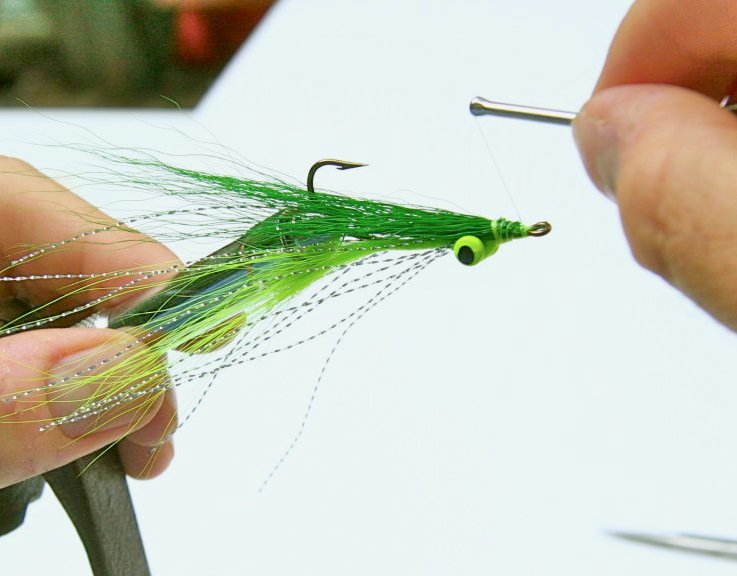

Vise advice
Veteran tying tips and tricks to help novices create better flies
Advertisement
 This brook trout slurped up a mangled Booby fly (visible on far right)
#4 FISH YOUR SLOPPY FLIES
The one problem with studying ready-made flies from shops or magazines is that they look so darn perfect. But the fish care a lot less about this than you do. Think about it: We’ve all got a few beloved flies that seem to work better after getting a little beaten up. There’s a lesson there. I’m no pro tier, but I occasionally sell a few of my specialty flies to acquaintances. When I’m tying on commission, I only include my very best examples. I don’t scrap the ones that are less than perfect, however. Instead, I fish those factory seconds myself. And believe me, I wouldn’t do that if they didn’t work.
Advertisement
#5 FEEL FREE TO START OVER
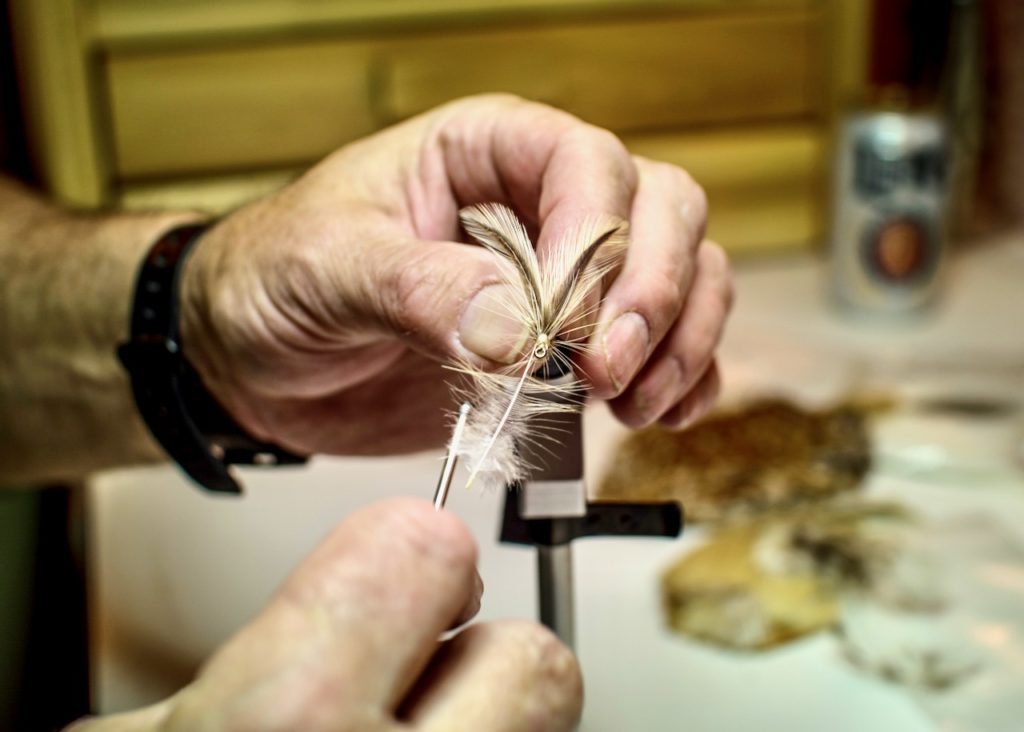
Although messy flies still catch fish, it’s also possible to tie a fly so badly that it won’t float or swim properly, or otherwise behave correctly in the water. Keep an eye on how the fly is progressing as you tie it. If something looks off, you can usually fix it by unwrapping the thread and redoing a step or two with fresh material. And if the fly just isn’t salvageable, there’s no shame in cutting it apart and starting over. It’s all part of the learning process. Plus, what else are you going to do on a cold winter’s night, waiting out the months until the open-water season?
#6 TYING TIDBITS
Here are a few final bonus tips to make your time at the vise easier:
Advertisement
- Invest in very sharp, good-quality scissors.
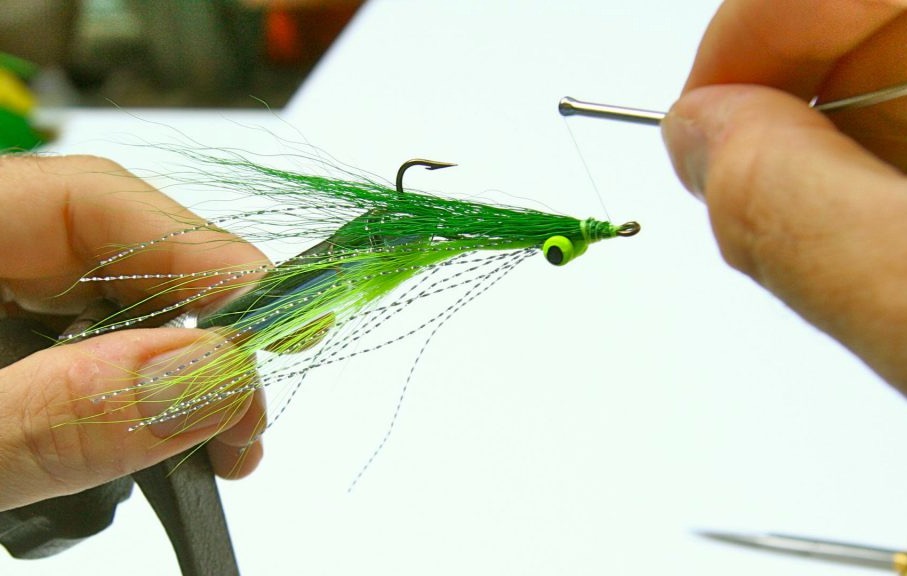
- For better control, shorten your tying thread (it should rarely be longer than an inch, as shown above).
- Two or three thread wraps will hold most material in place; more than that just adds bulk.
- To avoid bunching at the eye, leave more space than you think you’ll need.