


STARTING POINTS
How to successfully introduce kids to archery and bowhunting
Advertisement
I’ve never met a kid who didn’t like archery. Whether they’re introduced to the sport through summer camp, the National Archery in the Schools Program or friends or parents, young people are almost always immediately intrigued. If you want to get your child or another young person involved in both archery and bowhunting, here are a few tips to help you along the way.
DON’T FORCE IT
Advertisement
The biggest mistake I see adults make is pushing youngsters too hard and too fast. My wife and I both bowhunt—a lot. We live the archery game year-round and we hunt as much as we can. Both of our daughters grew up with archery, but despite careful mentoring, neither has become passionate about it, and that’s okay. By comparison, we have a friend who adopted a similar approach and his now nine-year-old has become obsessed with target archery and bowhunting.
USE PROPER GEAR
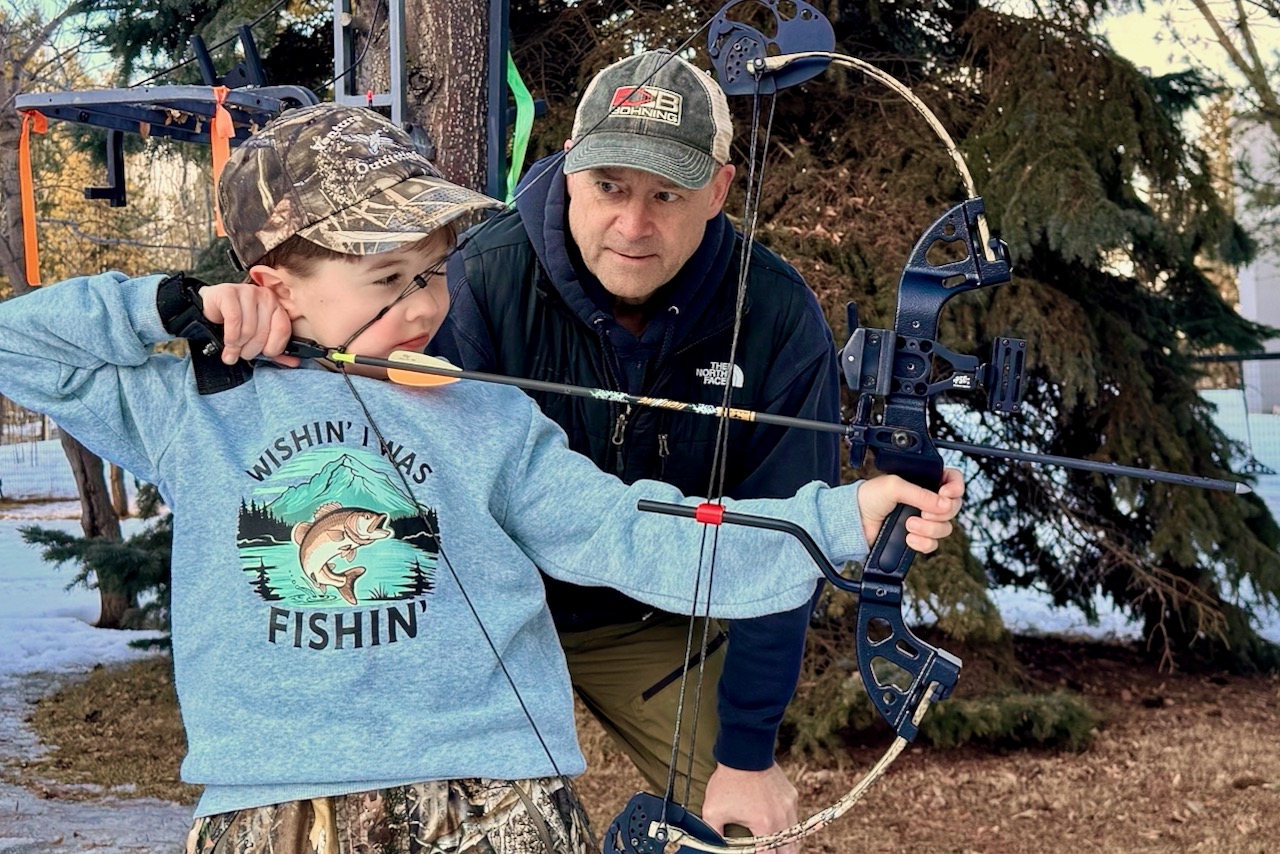
When you put a bow in a young person’s hands, make sure it’s both age- and size-appropriate. Luckily, most manufacturers make bows for kids. As a guideline, introduce children under the age of seven to a lightweight recurve or cam bow with an eight- to 10-pound draw weight. Kids come in all shapes and sizes, though, so have them properly sized before they even pick up a bow.
Advertisement
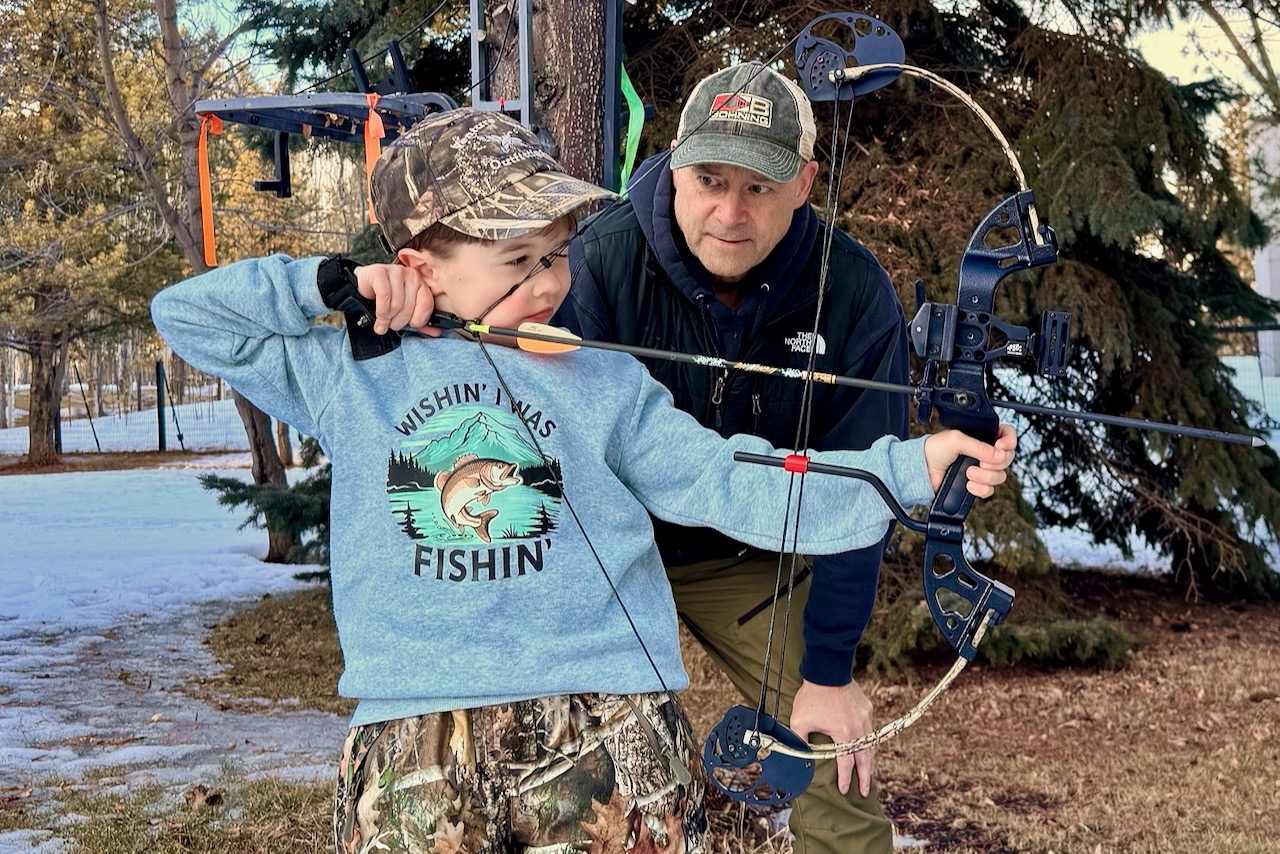 Age-appropriate gear is essential
When our oldest turned seven, we gave her a Mini Burner youth bow from PSE Archery. It’s draw length can be adjusted from 16 to 26.5 inches, while the draw weight adjusts from as little as four pounds all the way up to 40, depending on draw length. Just ensure your young person is pulling a suitable draw weight at each stage of learning. If the bow is set too heavy or too light, it can lead to frustration.
OPT FOR LESSONS
Teaching proper skill progressions, correct form and the biomechanics of archery is key to setting up beginners for success. Most archery shops offer lessons, and I highly recommend signing kids up so they can learn the fundamentals from a qualified instructor.
PUT SAFETY FIRST
Anytime you shoot a projectile, there’s a risk, so it’s crucial to teach kids about safety right from the get-go. That includes instructing them how to correctly nock an arrow, draw, aim, release and follow through. At indoor ranges, teach them how to mind the shooting line and only aim downrange, and to hang up their bow in designated areas when it’s time to retrieve arrows.
HIT THE RANGE
Indoor archery ranges can be a lot of fun, with most offering club nights and youth events. Some ranges have static target butts set at 10, 20 and 30 yards or more, but the standard distance at most ranges is 20. To keep things fun and interesting for younger children, consider hanging balloons on the butts. There’s nothing like their gleeful response when they hit their target.
Once kids get some experience, whether it’s just for recreational shooting or competition, the best way for them to keep improving is to practise on 3D targets. Most clubs are affiliated with provincial archery associations, and host leagues and 3D tournaments. Those provide great opportunities for kids to get involved and hone their skills.
STRESS BOWHUNTING BASICS
If you’re looking to get kids into bowhunting, progressions are again a good idea. I have a friend who set up a mini treestand in his yard, for example. The base of the stand is set at five feet—the perfect height for his youngster to practise climbing the sticks and shooting from a modified elevated position. Just ensure the child is wearing a full-body harness designed for kids, available from companies such as Muddy Outdoors and Hunter Safety System.
Shooting at a static target is one thing, but arming arrows with a lethal broadhead is a different game altogether. So, if young people want to bowhunt, teach them the right way. Again, always reinforce safety. Also, make sure they learn about the anatomy of the animal they’ll be hunting. I always recommend having an adult accompany a young person in a blind or on a stand during their first hunts. Nothing beats personal instruction on when to draw—and where to place the shot for a quick kill.