


Tick talk
How to minimize your chances of contracting Lyme disease
Advertisement
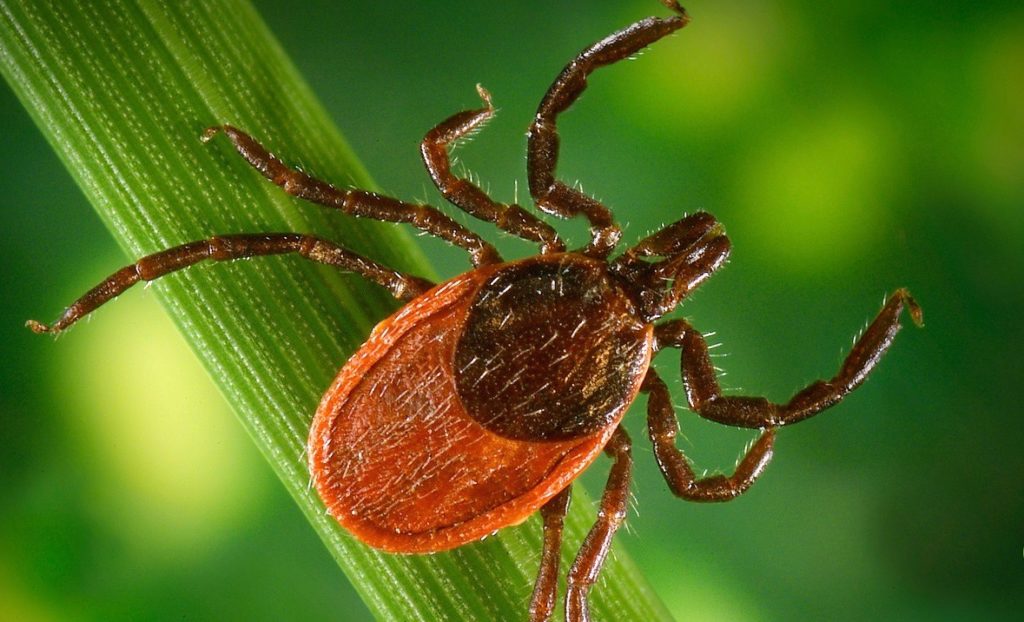
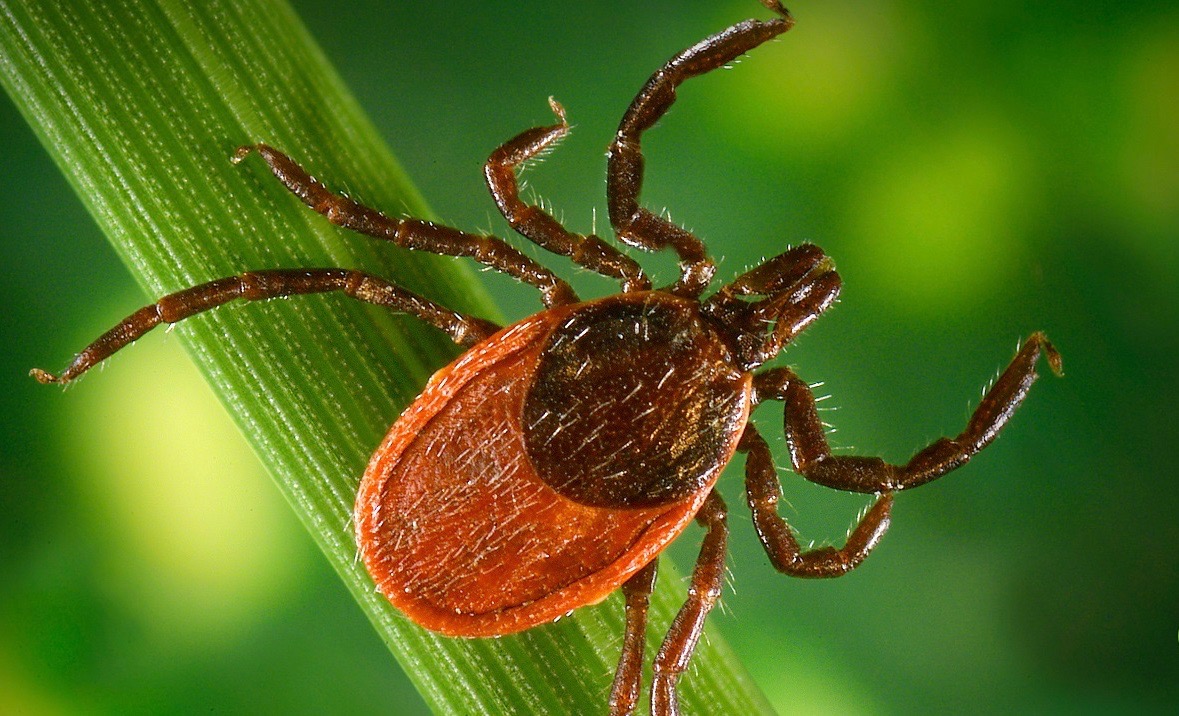
One of the fastest growing—and most serious—risks to Canadian anglers and hunters is the expanding population of Lyme-disease carrying blacklegged ticks. According to Health Canada, these parasites are now established in southern B.C. and significant areas of Manitoba, Ontario, Quebec, New Brunswick and Nova Scotia. If you spend enough time outside in those regions, you’re eventually going to encounter ticks. Here’s how to avoid ticks—and the serious bacterial infection from their bite.
Advertisement
#1 PREVENTION
Ticks attach to clothing, then typically walk upward, but they can’t bite through fabric. When you’re walking through forests, brush or tall grass, tuck your shirt into your pants and your pant legs into your socks or wear gaiters (above). Wear light-coloured clothing so you can spot ticks more easily, and apply bug repellent with DEET to your skin, clothes and footwear.
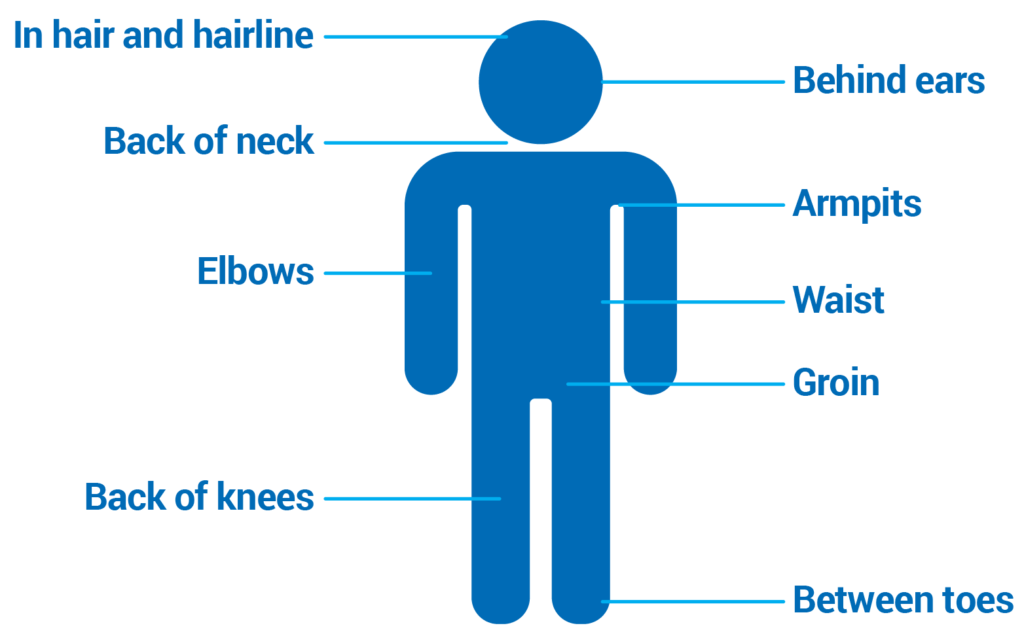
Tick bites are typically painless, so you may not know you’ve been bitten. Within two hours after being outdoors, it’s a good idea to bathe and check your body for ticks. Pay close attention to your hair, underarms, belly button, in and around your ears, behind your knees, between your legs and around your waist.
Advertisement
#2 REMOVAL
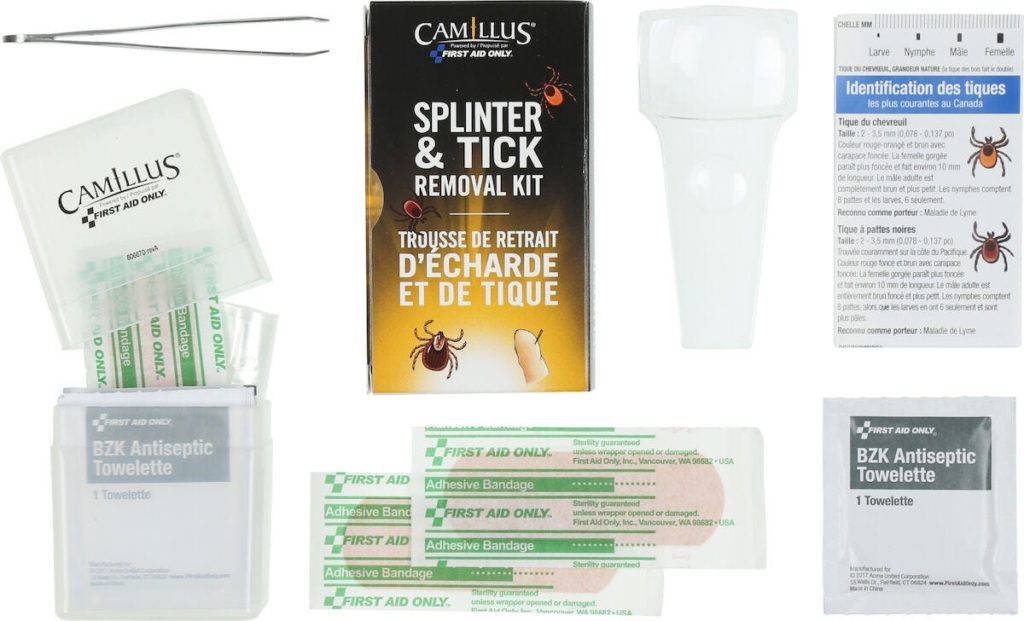
If you find a tick attached to your body, remove it immediately (infection can often be prevented if it is removed within 24 to 36 hours). The removal process is fairly straightforward. Using clean, fine tweezers, grasp the tick’s head as close to your skin as possible and slowly pull it straight out. Try not to twist or crush the tick. If the mouthparts break off and remain in the skin, also remove them with tweezers. If you are unable to do this, leave the mouthparts in place and let the skin heal.
Do not dab ticks with nail polish or petroleum jelly, or try to burn them. Those remedies do not work, and they can make matters worse. Once the tick is removed, place it in a sealed container and send it to a public health lab to help assess the risk of infection.
#3 SYMPTOMS
The effects of Lyme disease vary widely, making it difficult to diagnose, but early detection is crucial to treatment. Most people experience flu-like symptoms three to 30 days after being bitten, often accompanied by a rash shaped like a bull’s eye. If you develop symptoms after been bitten or spending time outside in a region with a known risk of Lyme disease, get medical help immediately. An early course of antibiotics is usually effective in treating Lyme disease.
For more information on Lyme disease, go to www.outdoorcanada.ca/lymeinfo.