

ESCAPE PLAN
Travelling to fly fish? Here’s how to make a clean getaway
Advertisement
GETTING UNDERWAY
Two packing rules have never failed me: Take extra leader material, flies and sunglasses, and only travel with four-piece fly rods. With the first rule, fly boxes, leaders and spools are small and light, so it’s easy to pack lots—which is good, since they’re also easy to lose. I typically bring enough terminal tackle to outfit a whole camp (once I had to). And polarized sunglasses are so essential I always take two or three pairs. Even a cheap set you only keep as a back-up could save your trip or someone else’s.
A disassembled two-piece fly rod is still five feet long, making it awkward in vehicles and crowds. Even worse, it has to fly as checked luggage. Never check a fly rod. Ever. Even the best rod cases are vulnerable to breakage or theft, especially in lower-security airports where employees or other travellers know the value of the contents.
Advertisement
Four-piece rods, on the other hand, break down to a manageable 30 inches. Put them in your checked suitcase or, even better, carry them on with you. As for flies, both U.S. and Canadian air security rules say small flies are legal to carry on a plane, but the security agents also have total discretion. I feel ill at the idea of a bored, overzealous agent confiscating my flies, so they go in my checked bag, and I just hope it arrives.
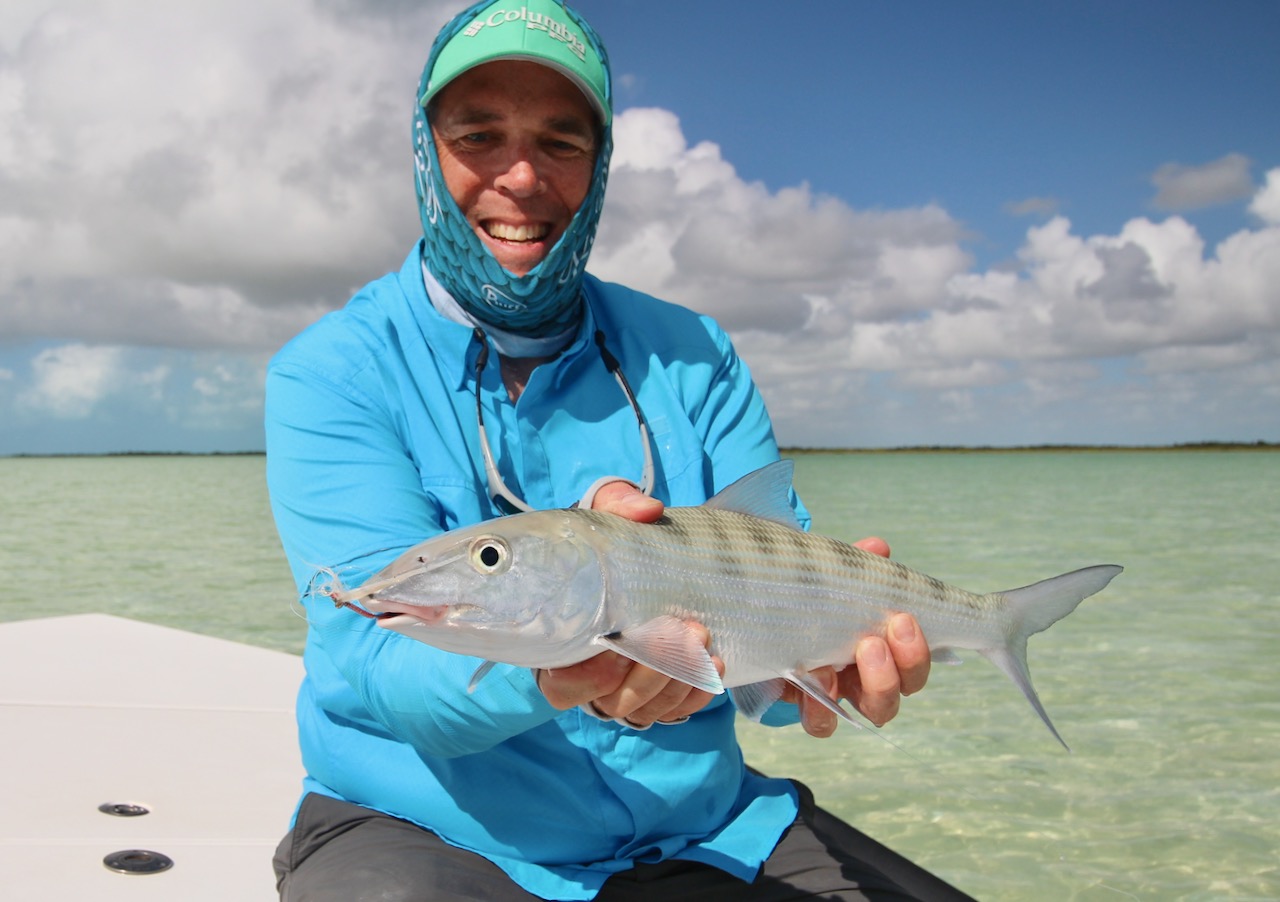 With the right attitude and preparation, amazing things can happen on the water
ON THE WATER
I can hardly believe it, but since I first picked up my grandfather’s old fibreglass fly rod in the 1980s, I’ve fly fished in seven provinces and six countries, and landed 29 fresh- and saltwater species. Through all those adventures, the one truth I’ve learned about fly-fishing travel is that no matter how well you prepare, there will be surprises. To face those unexpected challenges, listen to the experts, while also trusting yourself. Guides and local hosts know what works on their water, and they want you to catch fish. Leave your ego at home, pay attention and be coachable.
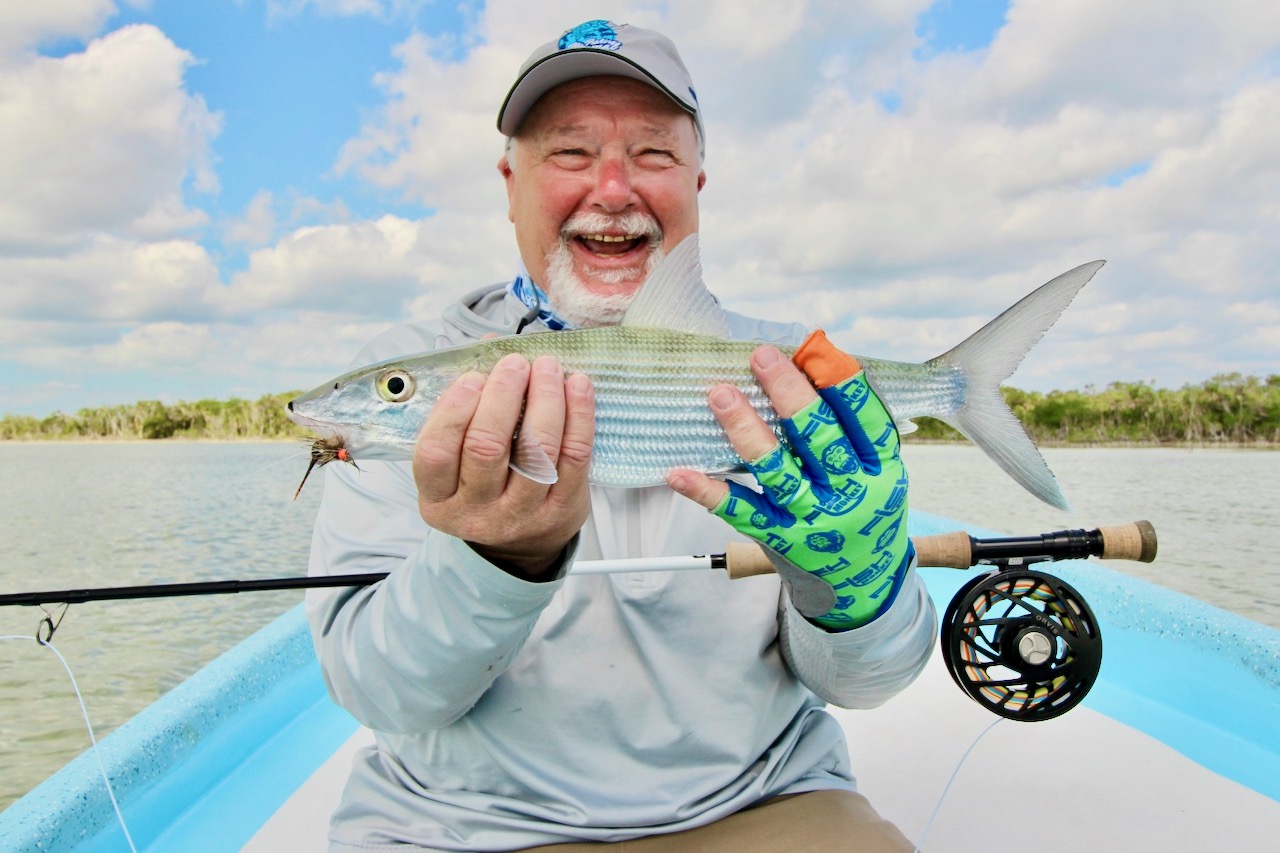
At the same time, don’t be overly intimidated by the novelty. Arctic grayling, Caribbean bonefish and suburban trout could hardly seem more different, but they all eat flies, and you’re a fly angler. In those moments when you don’t know what to do, let instinct take over. That fish might be bigger, faster, stronger or toothier than anything you’ve ever seen, but there’s a fly in the water, a rod in your hand and you’ll figure it out. Maybe it happens the first time, or maybe it takes a while, but either way you’ll have a great story.
Advertisement
For more tips on fishing exotic waters, see www.outdoorcanada.ca/flyfishingtravel.