

AUTUMN ACTION
To catch more fall fish, you need to adjust your entire approach
Advertisement
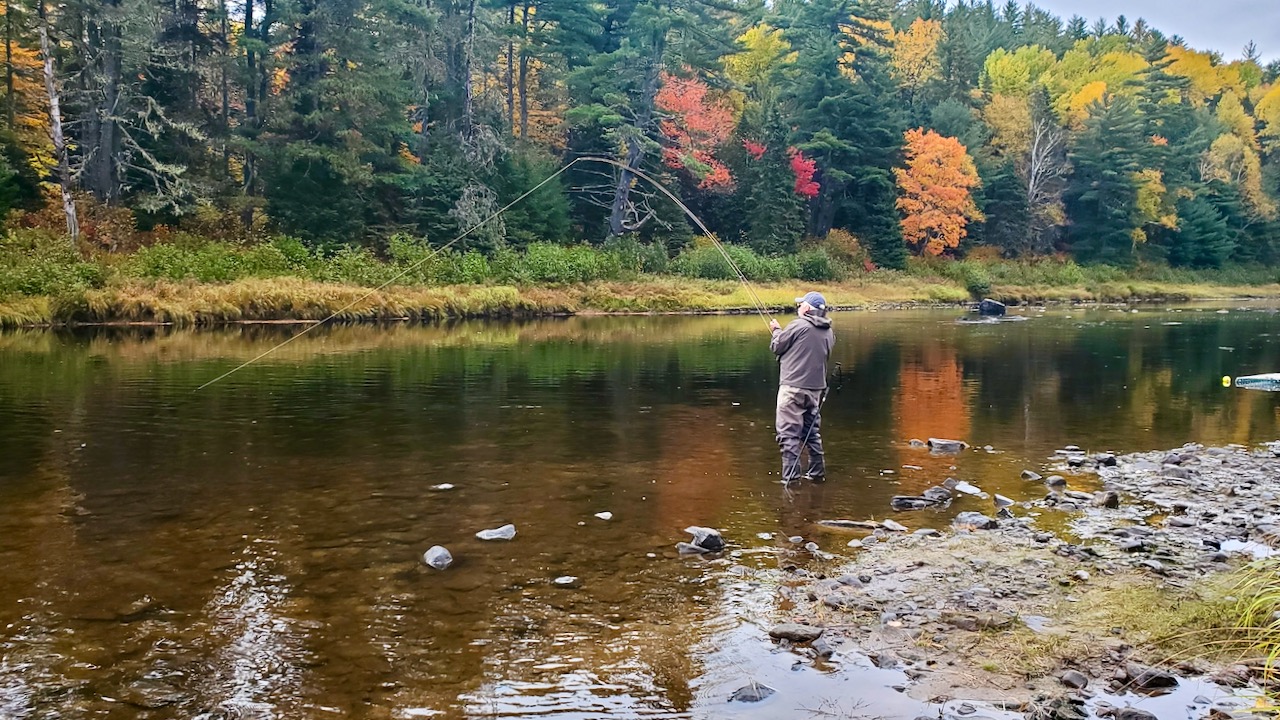
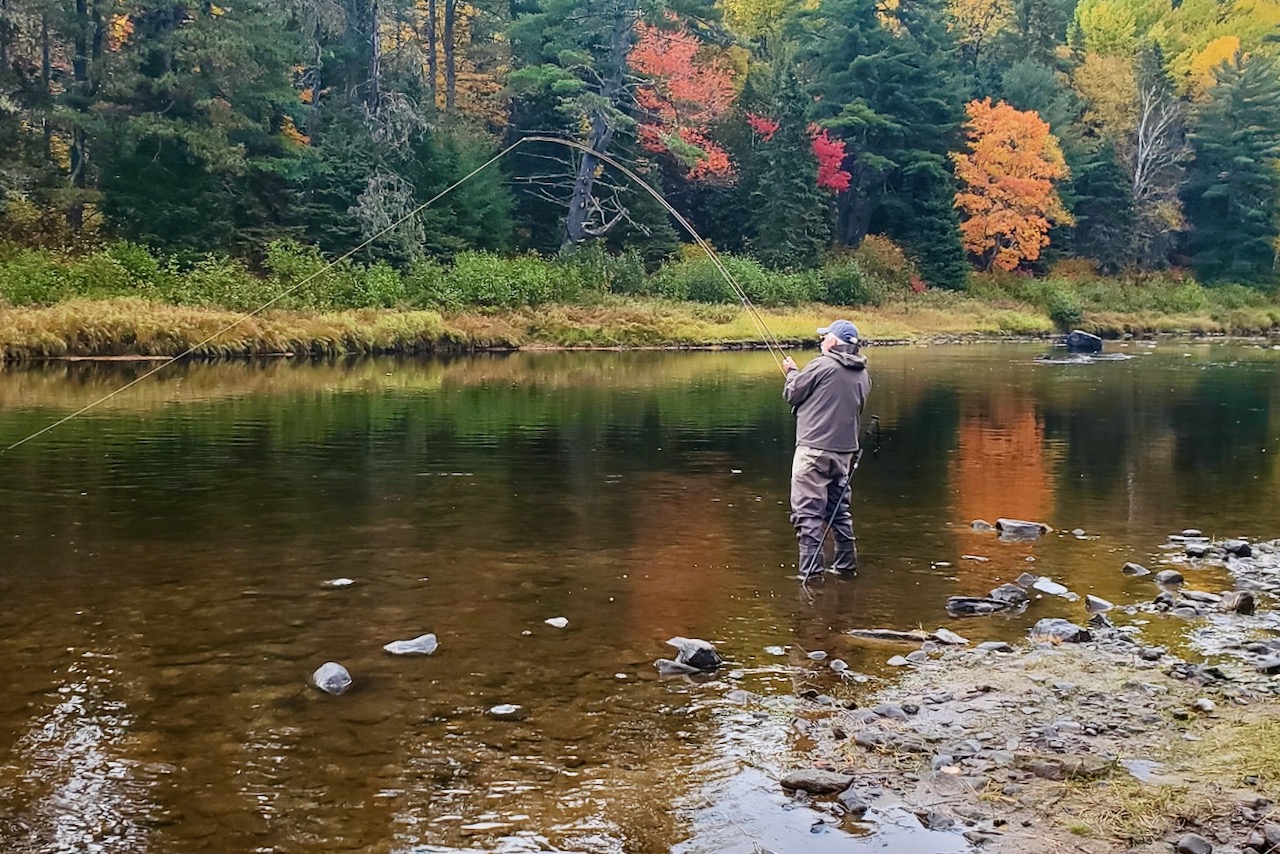
Come autumn, many Canadian fly anglers are ready to hang up their waders for the year, but fall fly fishing can still be very good. Cooler water temperatures invigorate fish after the summer heat, while reduced angling pressure means they’re also less spooky. Plus, pre-winter or pre-spawn feeding can trigger aggressive action.
Advertisement
However, there’s a paradox: while fall fish are often more willing to bite, the windows for success become shorter and more specific. In many cases, you need to abandon tried-and-true tactics and adapt to the season’s unique challenges, including shorter periods of activity, changing forage and unpredictable weather. Here are key strategies for fall fly-fishing success.
#1 TIMING
One of the most important adjustments for fall fishing—and one that’s oddly difficult for many anglers to accept—is abandoning the dawn patrol mentality. As water temperatures drop, the fish will become most active in the midday hours, roughly from mid-morning to mid-afternoon. That’s because they’re cold-blooded, and depend on environmental heat to fuel their activity levels and, crucially, digestive processes. So, plan accordingly: sleep in a little, enjoy a leisurely breakfast and hit the water when conditions peak, rather than trying to coax cold, inactive fish onto your line.
A related factor is Canada’s sometimes volatile fall weather, which presents both opportunities and challenges. Overcast days with stable temperatures can extend feeding windows, while clear, cold nights followed by sunny days create dramatic temperature swings that make timing even more critical. Most anglers know high-pressure systems create excellent fishing conditions, while rapidly moving fronts can shut things down, but both effects can be more dramatic in the fall.
Advertisement