

TROPICAL TIPS
A first-timer’s guide to a fly-fishing getaway in the Caribbean
Advertisement
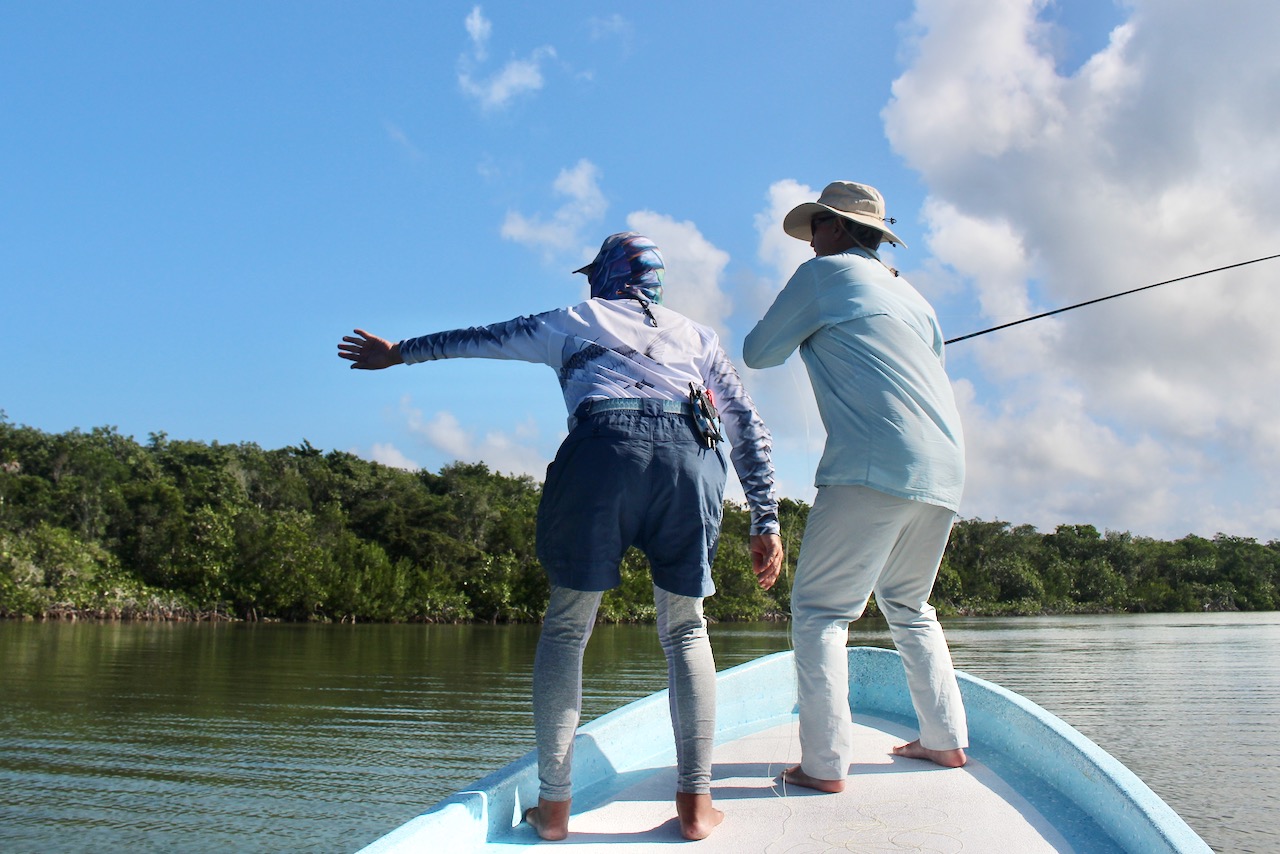 Flats fishing offers the thrill of the hunt
#2 THE DESTINATIONS
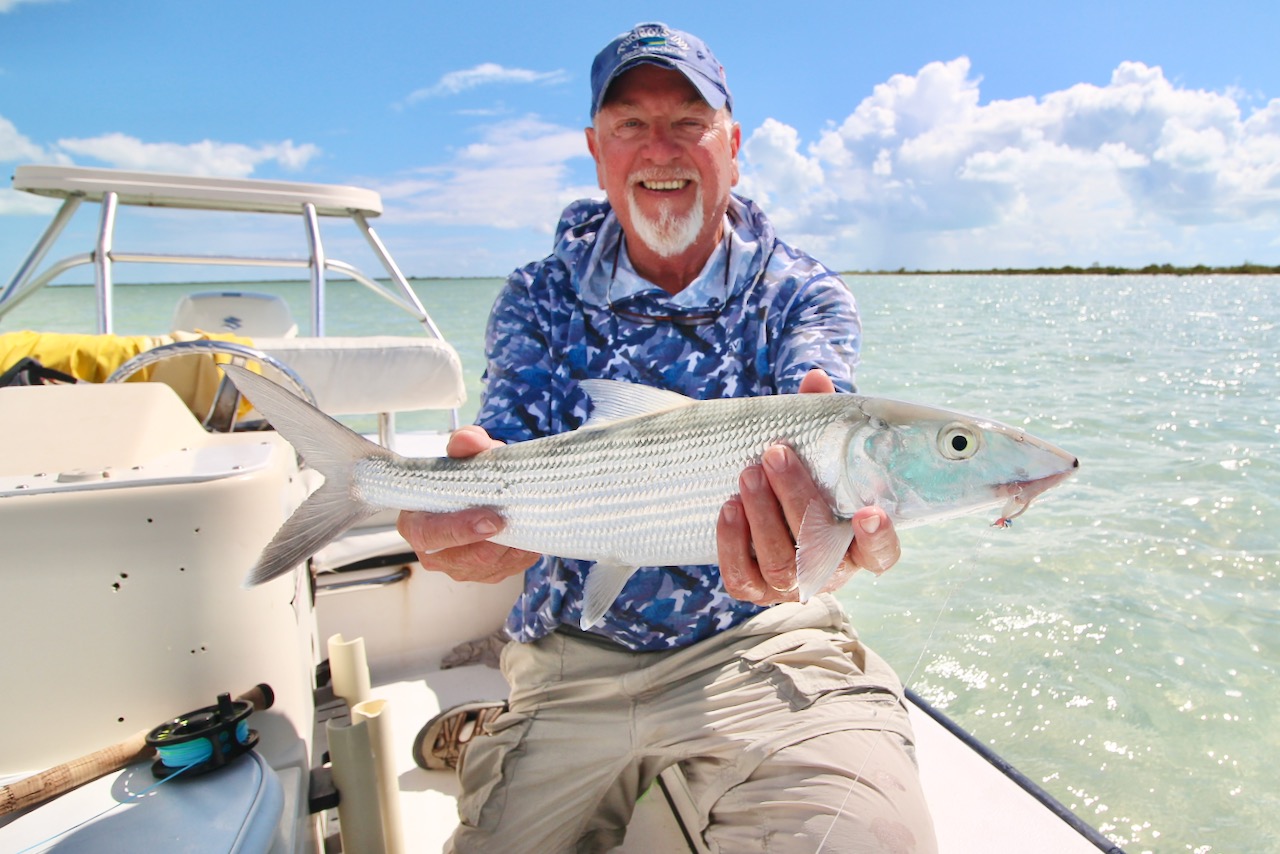
If you have a burning desire to catch bonefish on the flats, the Out Islands of the Bahamas are the place to go. The flats are spectacular, boasting vast numbers of bones, including the biggest ones in the Caribbean. It’s often technically difficult fishing, however, thanks to the near-constant winds, which rarely drop below 20 kilometres per hour. There are few sheltered places to fish, and limited opportunities for mangrove species. Here, it’s all bones, all the time. Most Bahamas anglers stay at lodges, which offer incredible accommodations and guiding services, but lean toward the higher end of the price scale.
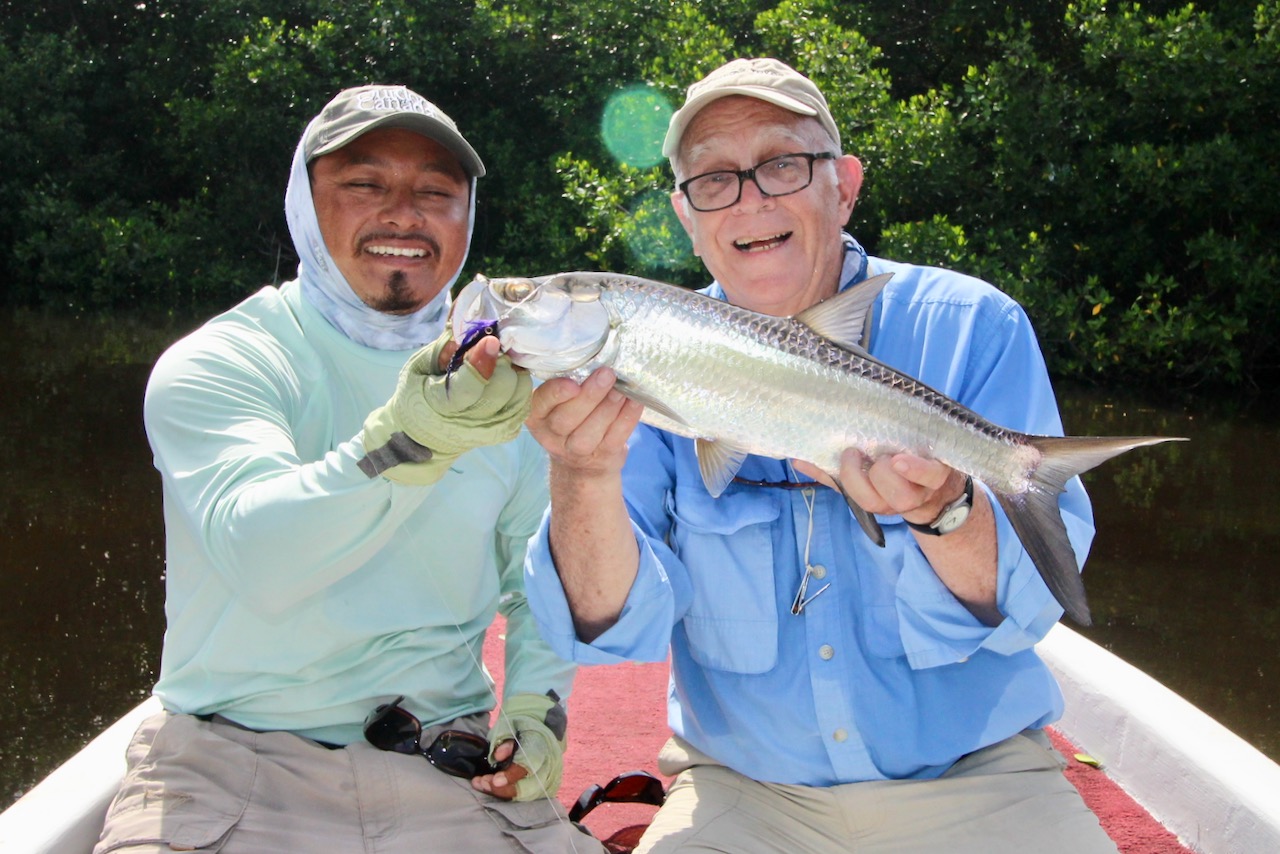 Guide Alex Batún (left) and angler Phil Shook with a “baby” tarpon from Mexico’s Yucatan region
Prime fly fishing on the Caribbean mainland runs from Mexico’s Ascension Bay (a few hours’ drive south of Cancun) to the southern border of Belize. The bonefish on this side of the Caribbean are half the size, but the fishing is friendlier for newbies, because the flats tend to be smaller and more sheltered. The fishery is also more diverse, with extensive mangrove systems sheltering many fun and relatively easy -to-catch species, including mangrove snappers and cudas.
Advertisement
If you’re a first-timer with modest skills and you’re not fussy about what you catch, the mainland might be your best option. It’s less expensive, with more opportunities for a DIY trip. Many little towns along the coast have beachside hotels and guest houses catering to anglers, as well as to divers who come for the world-class barrier reefs. The proprietors will even hook you up with excellent local guides.
#3 THE PREPARATION
The basic tools of tropical fly fishing are an 8-weight, fast- or medium-fast rod, a saltwater-quality reel spooled with floating line, and a second spool with an intermediate sinking line. Lodges and guides can usually supply guests with premium gear, but having your own outfit lets you practise casting at home, which enormously increases your odds of success.
Most flats fish are caught within 40 feet, but they’re always moving, so focus on delivering the fly quickly and accurately. For mangrove fishing, practise casting with pinpoint accuracy at 20 feet, and casting between obstacles.
Advertisement
Finally, pack your tropical duds, your sunscreen and your camera, but leave your fly-fishing ego at home. No matter how much experience you have on your local river, this is a new world. Adopt a beginner’s mindset, listen carefully to your guides, laugh off the inevitable foul-ups and—often after a rough first day or two—you’ll find your groove and catch fish. And once you hook that first bonefish, tarpon, snook or barracuda, the chances are you’ll find yourself drawn back to the Caribbean, again and again.
Also see our roundup of new gear for fishing in the tropics at www.outdoorcanada.ca/tropicalgear.
Advertisement