


Old favourite
Rethinking the long-forgotten, but still highly effective wet fly
Advertisement
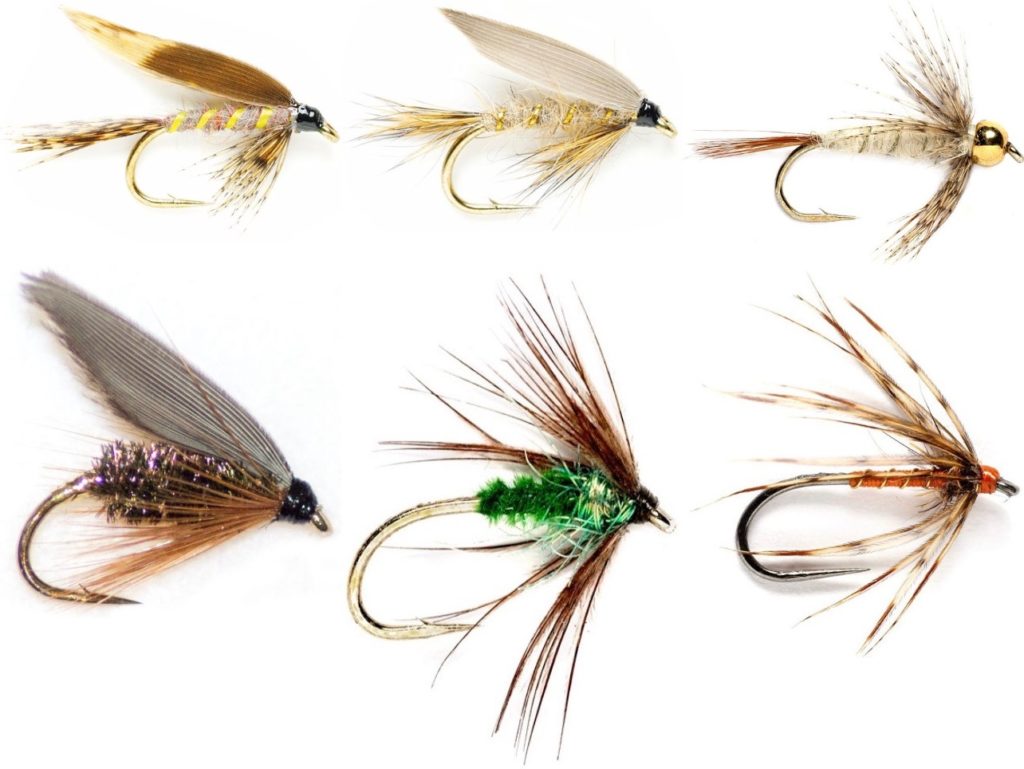
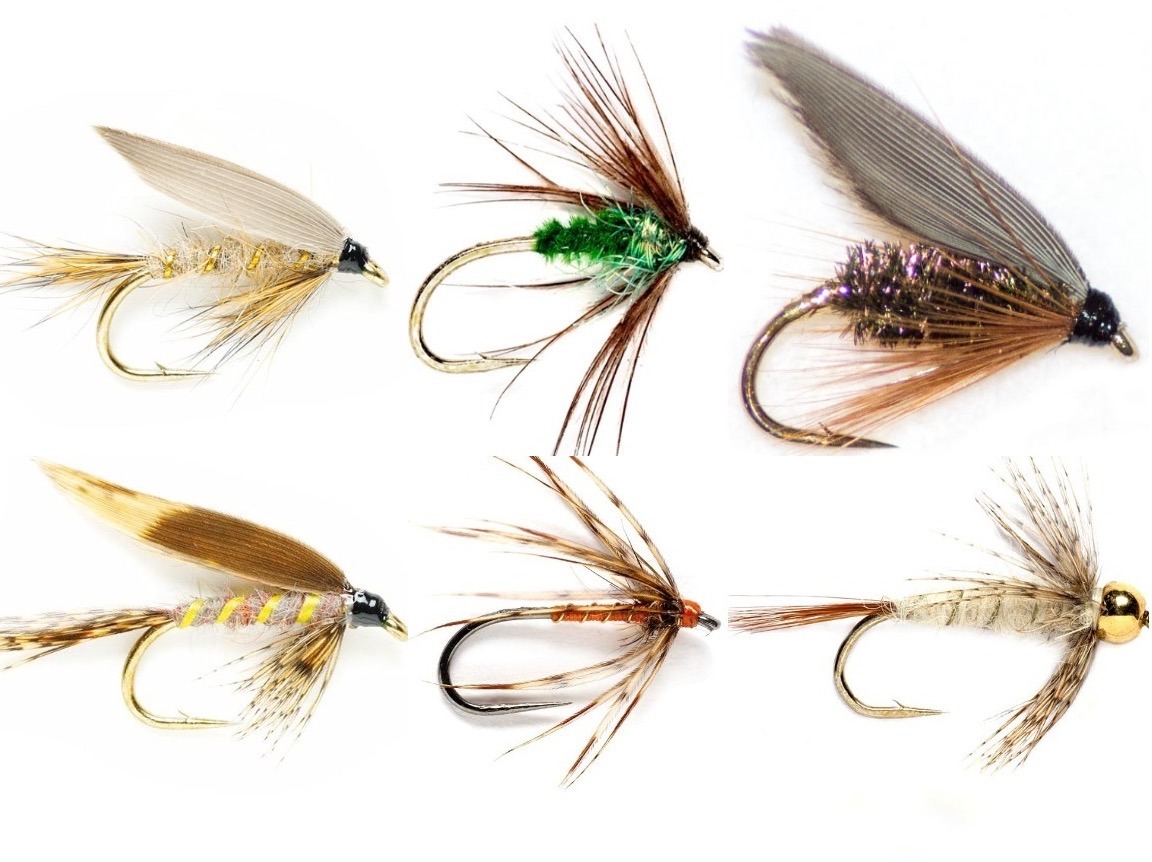
Many fly patterns are briefly popular, then forgotten. But I’ve noticed lately that an entire category of flies seems to have vanished from view: the traditional wet fly. In fact, if you’ve taken up fly fishing in the last few decades, learning the most up-to-date techniques from the most popular sources, you may have never even heard of traditional wet flies, let alone used them. And that’s a shame, because even though they’re out of fashion, wet flies still have three admirable virtues: they’re simple to tie (or cheap to buy), they’re easy to use and they catch fish. Here’s a quick primer on fishing wet flies.
Advertisement
WHAT THEY ARE
Intended to be fished downstream in rivers, traditional wet flies are simple sub-surface patterns that imitate drowned or immature emerging insects. They typically have either a sparse soft hackle that wiggles in the current or a swept-back feather wing, and a fur, floss or peacock herl body, sometimes with a touch of flash. Wet flies are the oldest of all fly patterns, dating to at least the 1800s, and perhaps as far back as the Middle Ages. For a long time, in fact, they were the only flies.
So, where did wet flies go? By the mid-20th century, trout anglers were adopting a more scientific approach, focussing on insect identification and imitating forage in individual rivers. This led to the rise of nymphs—wingless wet flies intended to closely mimic the larval, pupal or nymphal stages of aquatic insects. Most significantly, nymphs are designed to be cast upstream and dead-drifted near the bottom, often under a strike indicator. When executed well, this is so effective that it’s become the dominant sub-surface tactic, and traditional wet-fly fishing has been largely forgotten. For example, the Orvis website currently offers 119 nymph patterns, but just 11 wet flies.
However, there’s a fact about nymph fishing that tends to get glossed over—it’s difficult to do, often requiring the careful planning and execution of highly technical casts and drag-free drifts. And lobbing heavily weighted nymphs and a bulky strike indicator on a light fly rod is awkward, tiring and, for me at least, sort of stressful. That’s why I so often prefer the elegance, ease and simplicity of fishing a traditional wet fly.
Advertisement