


PEST PERSPECTIVE
When once-coveted game animals become unwanted nuisances
Advertisement
This past hunting season, I visited a neighbour near my cabin to ask for permission to hunt deer on his land. It was just a courtesy in many ways, as I’ve hunted on his property for 30 years, and we see each other regularly. Still, it was the right thing to do—it’s his land after all. As expected, he gladly gave me the go-ahead, but tacked on a condition: “If you see any cougars, wolves or coyotes, shoot ’em on sight.” I just nodded and went on my way.
Thinking about his comment later, it’s clear we don’t all view wildlife through the same lens. Factors such as politics, culture, conservation, economics and popular belief can influence whether someone views a particular animal species as a pest or as a worthy prey animal. And the switch can be flipped surprisingly quickly.
Advertisement
PERCEIVED THREATS
Consider the 1999 closure of the spring bear hunt in Ontario. It was the result of a misinformation campaign waged by animal-rights activists claiming hunters were orphaning bear cubs. The highly predictable result was that black bears went from being a prized animal within the hunting community to a nuisance animal among rural property owners. “Shoot, shovel and shut up” became the mantra as bear-human interactions soon increased.
A similar scenario unfolded in my home province of Alberta after the 2006 closure of the grizzly bear season. I spoke to several ranchers who also employed the tactic of shoot, shovel and shut up—a rather ignominious end for some of our grizzlies. In both Ontario and Alberta, we witnessed the transformation of bears from valued game animals to a pesky menace, almost overnight.
Advertisement
Wolves are also polarizing creatures in Alberta. Some livestock producers see them as a threat to their livelihood, and believe the only good wolf is a dead one. Others, including some in government, see wolves as a conservation threat, negatively impacting population recovery plans for woodland caribou. Aerial gunning, trapping and poisoning have all been championed at some point to reduce what are, admittedly, burgeoning wolf numbers.
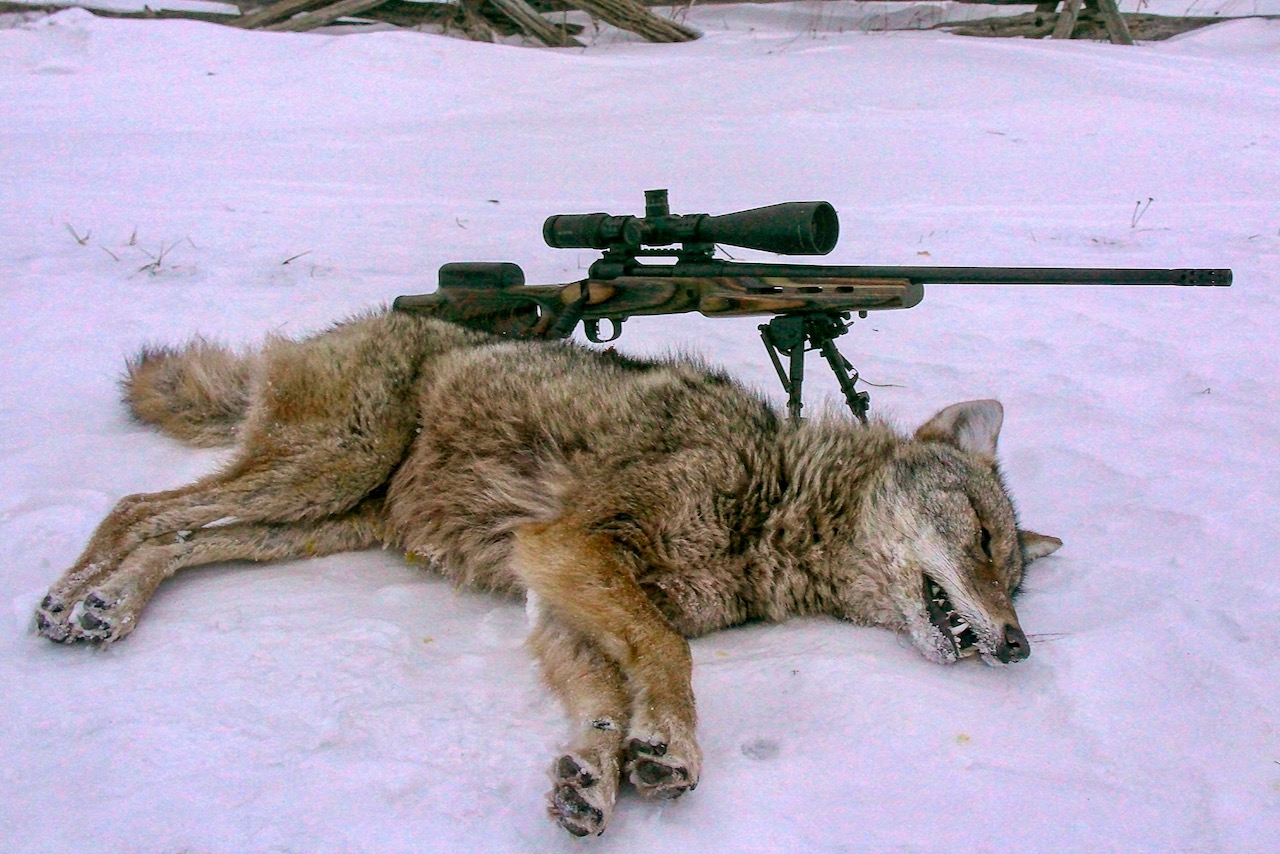 Coyotes have been both prized and demonized (photo: Coady Melvin)
Meanwhile, some in the hunting community are pushing for more relaxed hunting regulations for both wolves and cougars, citing their negative impact on local wild ungulate populations.
The nuisance dilemma isn’t reserved for our large predators, however. At my camp, for example, we shoot red squirrels on sight. They get under the cabin and love to chew on wiring and insulation. So, while others think of them as valued furbearers or even food, I consider them little more than crimson-caped rats.
CHANGING ATTITUDES
The coyote is an interesting case study in how people value wildlife. They’ve been demonized since Europeans first settled in western Canada, blamed for killed the calves and lambs that sustained the pioneering communities. It turns out coyotes are remarkable survivors, though, and ridding them from prairie farms wasn’t as easy as it had been for some other large predators.
Over time, however, coyote pelts began to earn recognition for their beauty and warmth, and they became a mainstay of the trapping industry. With the animals being so plentiful, and their fur fetching a good dollar, they were no longer viewed in quite the same negative light as before. That all changed over the last few years as demand for coyote fur fell, along with the prices, under pressure from animal rights groups.
Once again, values other than sustainable use ruled the day, and the result has been predictable—coyote populations have surged, and the animals are once again widely regarded as agricultural pests. And with fur prices in the toilet, the trapping community isn’t nearly as interested in managing populations as they once were.
Interestingly, in some hunting circles coyotes remain highly prized game animals, revered for being a challenge to hunt. As a result, outfitters do good business bringing in non-residents to try their luck. And while prices may have plummeted, a coyote pelt remains as beautiful as ever, making for a wonderful hunting trophy.
With many game species, there’s clearly a fine line between being considered a reviled pest and coveted prey. That’s where the hunting community comes in. Given our history of conservation leadership, it’s our job to uphold the concept of sustainable wildlife management, and recognize that every animal plays an important role in a functioning ecosystem—pest or prey.