

WORM WISDOM
Simple but effective, wiggler imitations deserve a place in your fly box
Advertisement
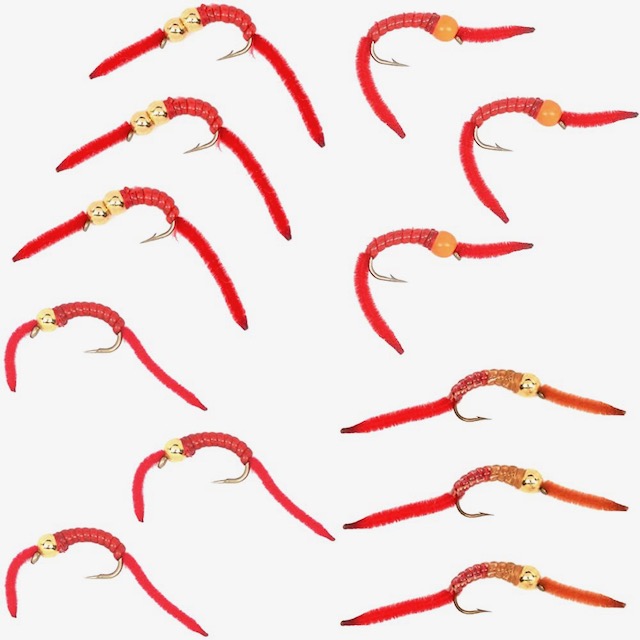
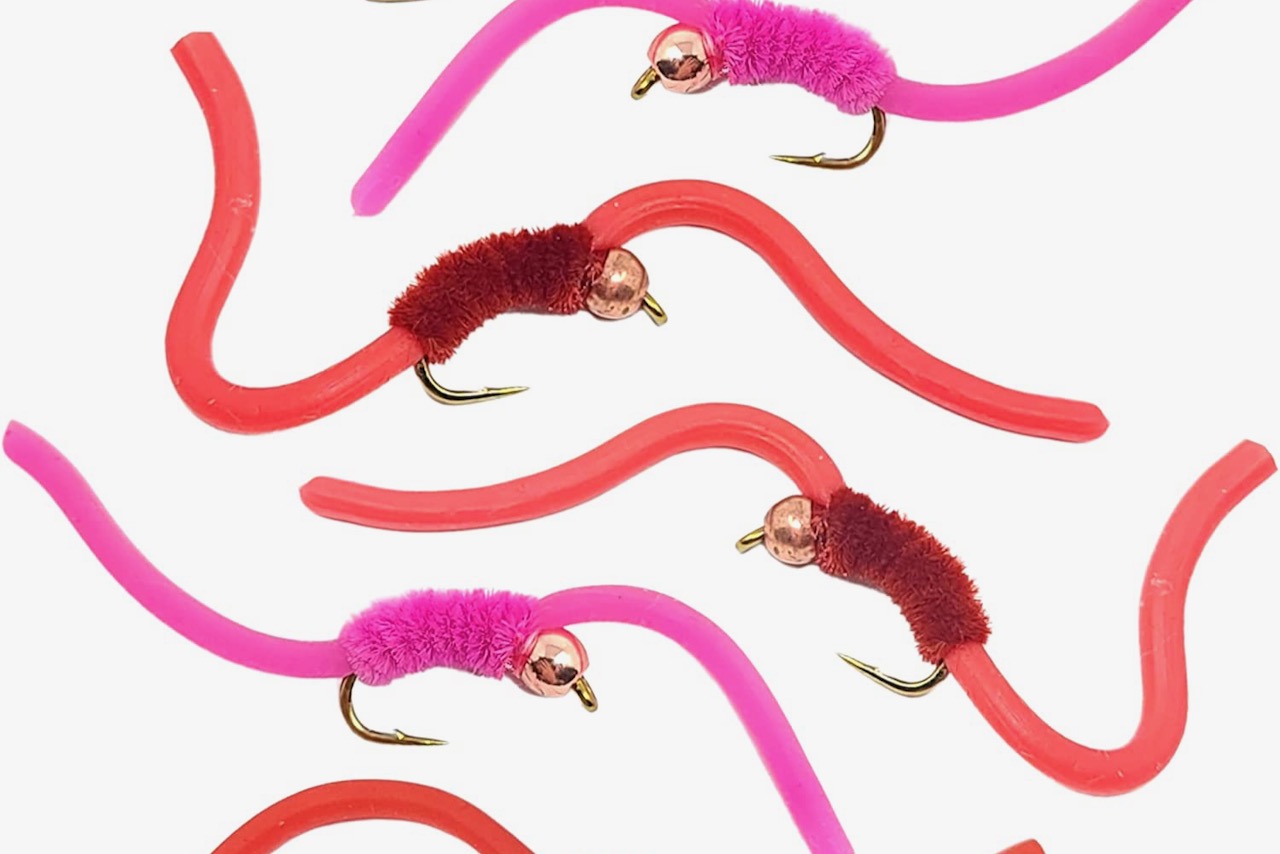
Many dedicated fly anglers started out by fishing for trout when they were kids, dunking nightcrawlers in their local creeks. Some of us, however, never grew out of our worm phase. Our taste now runs to wigglers that are smaller and inorganic, but they still fool a lot of fish. Here we’re talking about worm flies, and they’re not just for trout, either.
Advertisement
Pretty much any gamefish that will eat something small and wiggly—in other words, most fish—will eat a worm fly. That’s why these simple flies work from New Zealand to the N.W.T, and why they’re a good choice on unfamiliar waters, or when you’re not sure what the fish are eating. Like many humans, fish will often happily gobble up a little morsel of pure protein, no matter what else is on the menu. If you’re not up to date on annelid zoology for fly anglers, here’s a primer on worm flies.
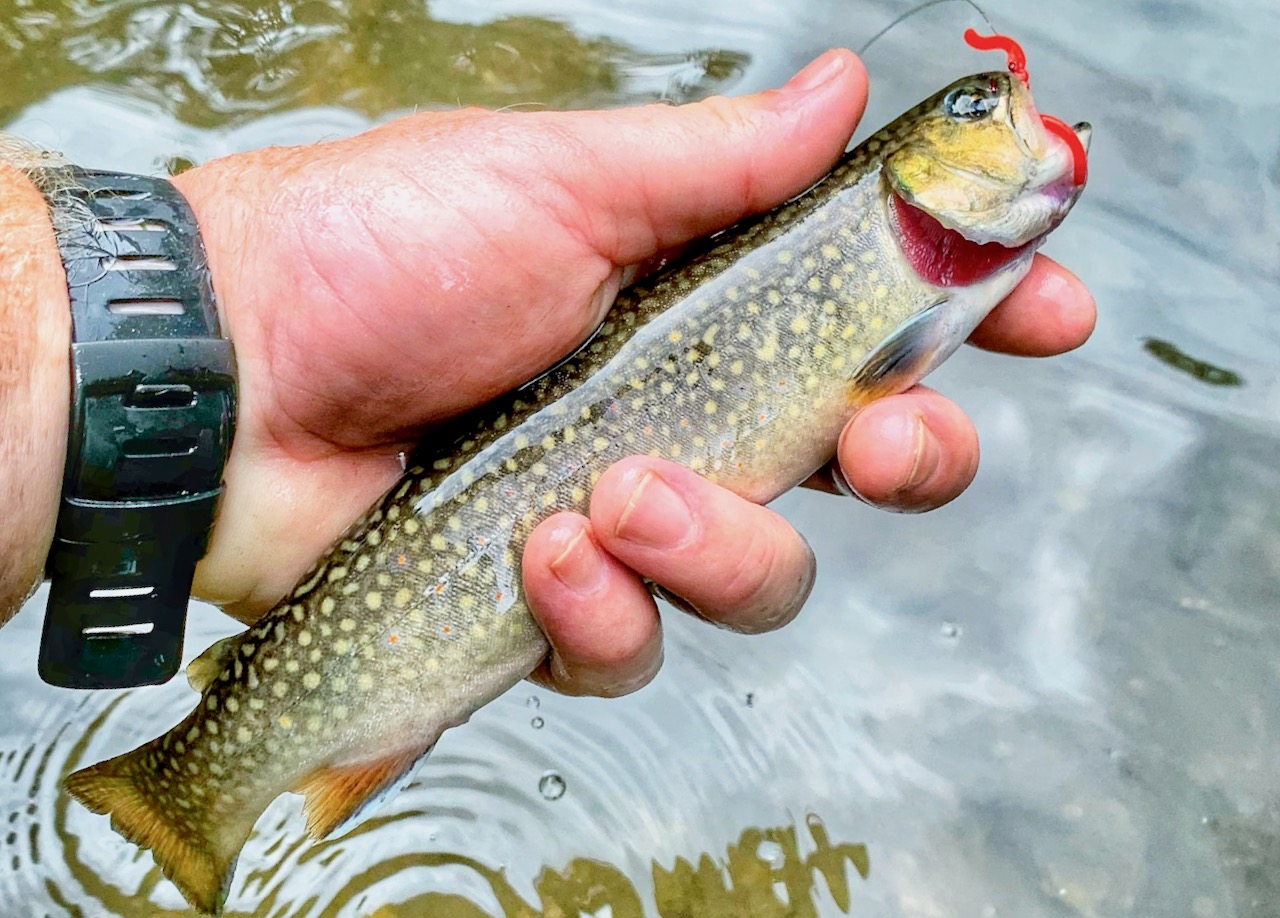 Photo: Alex Smith/Unsplash
FORAGE
Anglers have long known that trout eat worms, but there was never much of an attempt to imitate worms until fairly recently. There seem to be two general reasons for this. One is a traditional fly-fishing aversion to lures that are icky or smack of live bait. Secondly, until serious scientific analysis of trout waters began 50 or 60 years ago, we really didn’t know how many worms they held. Turns out, they’re pretty common. Many rivers, especially siltier ones, are home to aquatic worms, while rain and winter runoff add terrestrial worms to the mix. So, although they’re generally thought of as early-season fodder, worms can be in the water all season long. As a bonus, worm flies also resemble plus-sized caddis larvae, another major riverine food source.