


BUSTING THE BUCK MYTHS
Are these buck blunders blowing your hunt?
Advertisement
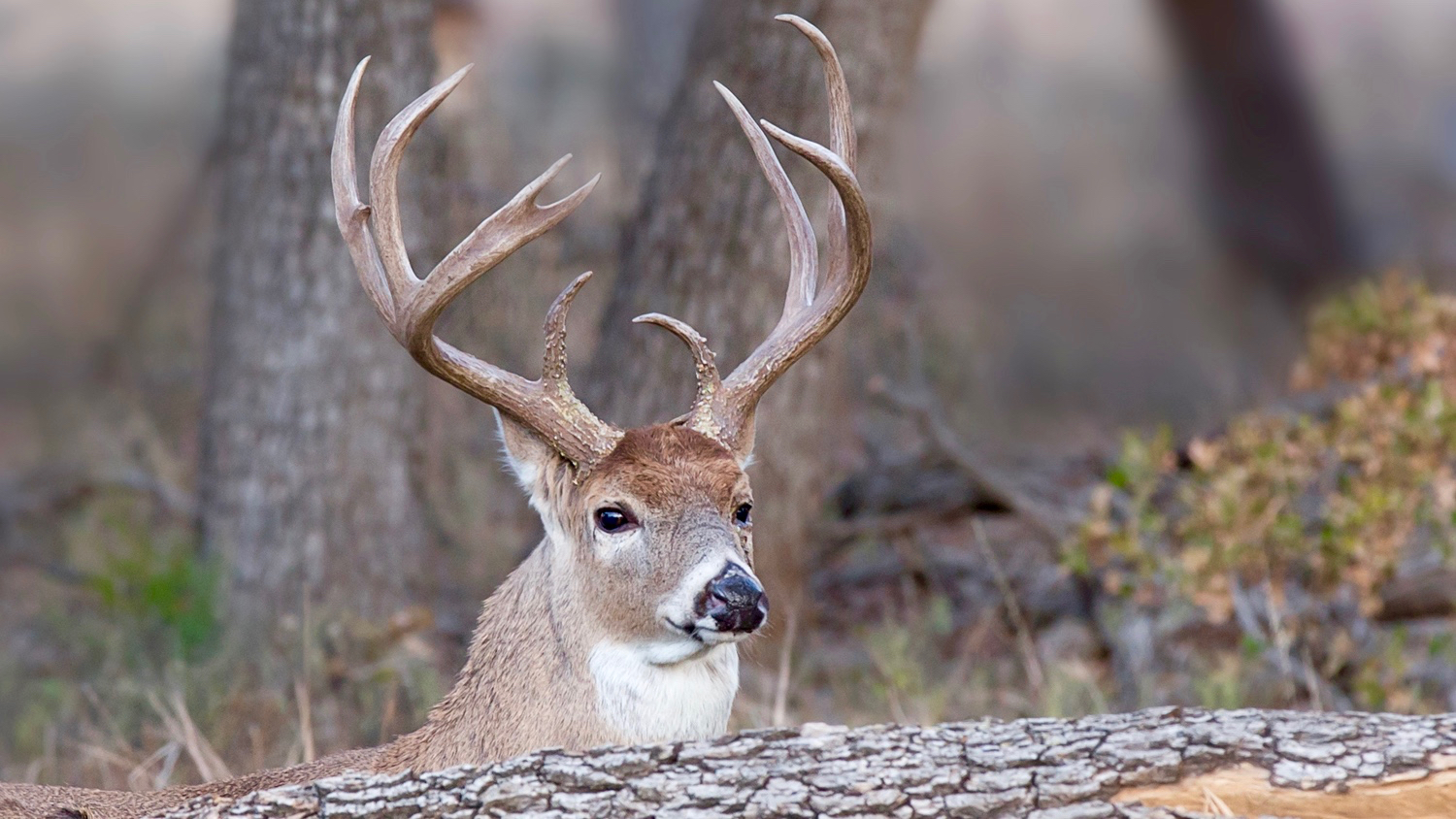 Photo: Larry Smith
We’ve entered a new age of mythology. All you have to do is check out the latest movies, TV shows, books and video games to see how deeply today’s culture embraces folk stories, lore and downright fantasy. But the embracing of mythology is not restricted to fans of ancient battles for planetary supremacy, lurking vampires and wand-wielding wizards—the hunting community also willingly accepts myths as fact, even though many have no basis in science. Perhaps nowhere is this more prevalent than among deer hunters, so let’s set the record straight…
Myth #1 Bucks become nocturnal when pressured by hunters.
While it’s true that bucks react to hunting pressure, they don’t resort to sleeping all day as a means to escape hunters. They still have a job to do, after all, especially during the rut. Granted, they may not frequent agricultural fields in daylight once the first few shots of the hunt have rung out, but they’ll still actively pursue does. It’s just that their midday courting grounds will have shifted to within the protective confines of the trees.
Advertisement
If deer in your hunting area have stopped frequenting open fields during the day, head into the bush after them. I guarantee they’ll be active. In fact, many veteran deer hunters will tell you 10 a.m. to 2 p.m. is the best time to intercept bucks on the move, with their primary trails easily confirmed by tracks, droppings, scrapes and rubs.
If you have snow to assist in tracking, and the wind is right, you can actually walk up on bucks during midday. Most often, however, it’s best to hunt them from a ground blind or treestand; portable ground blinds provide great cover and allow you to easily move in search of the perfect spot. The key is to hunt throughout the day—you won’t shoot many bucks from the comfort of camp.
Myth #2 Deer tracks with dewclaw marks belong to bucks.
I’m continually surprised by the number of hunters who believe they’re looking at buck prints when they see dewclaw marks. It’s simply not the case, necessarily. All deer have dewclaws, those vestigial claws on the back of the legs above the hoofs. When the ground is soft, muddy or snow covered, the dewclaws on both bucks and does will leave an impression.
Advertisement
The size of a track can also be misleading. While mature bucks generally have larger hoofs than does, not all deer are created equal—some have big feet, others have small feet and most are somewhere in the middle. And while we’re on the subject, it isn’t just bucks that drag their feet when walking through snow.
All this isn’t to say that examining tracks can’t provide meaningful clues to the sex or age of the deer that made it, but you must look at it from a broader perspective. Is it a single set of tracks? A buck is more likely to be on his own than is a doe. Is it a relatively large track? We can’t dismiss size altogether. More importantly, how long is the stride? That’s your best clue for assessing the size of the deer that made it—a mature buck has a significantly longer stride than doe. Put all these pieces together to make your best guess, but don’t be surprised if it turns out you’re wrong.
Myth #3 The best hunting is during the peak of the rut.
While many hunters plan to be in camp for the peak of the rut, they’re probably better off to hunt just before or just after the peak. When the rut is in full swing, with many of the local does in estrous, dominant bucks will invariably be with them. That means hunters will have to deal with stationary bucks and the additional eyes, ears and noses of the accompanying does.
Bucks are most susceptible before or after the peak, when they’re moving about their territory actively looking for does ready to breed. They’ll move continuously, perhaps checking their scrapes or moving between clusters of does. When bucks are on the move like this, they’re single-minded in their purpose—and that’s when they occasionally let their guard down, making them the most vulnerable to hunters.