


ALL TIMERS
The simple, time-tested patterns will catch, trout, bass, pike, walleyes and more
Advertisement
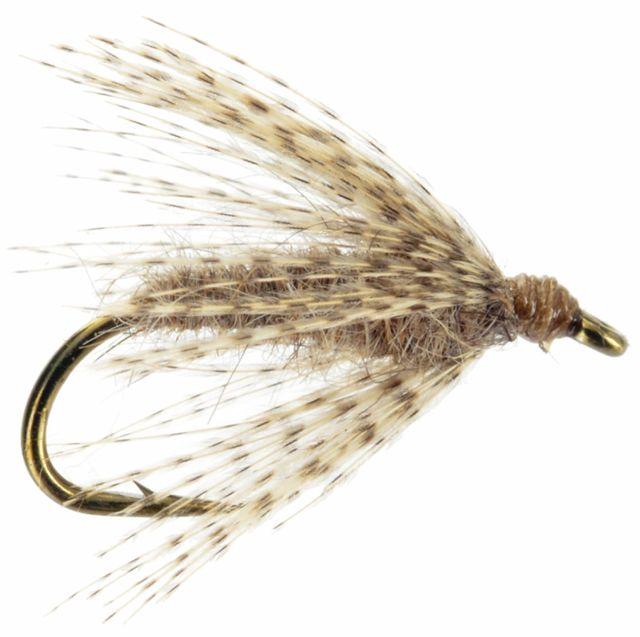 Photo: Discount Flies
HARE’S EAR FLYMPH
In modern fly fishing, the dominant subsurface insect pattern is the nymph. These highly realistic imitations are fished up and across stream in a dead-drift. But here’s what no one tells you: Nymph fishing is hard. Expert nymphers catch plenty of fish, but many anglers are left frustrated by the difficulty of achieving a drag-free drift, let alone detecting the near-imperceptible strikes. I also find typical nymph patterns a little static, lacking the subtle signs of struggle and life that turn on predators.
That’s why I love the Flymph, a deliciously vulnerable-looking hybrid of nymphs and old-timey wet flies. On the drift, I’ve found this fly just as good as more elaborate nymphs. It’s lethal when swung down and across stream like a traditional wet, and swims beautifully in ponds. The overall lifelike effect comes from the Flymph’s wiggly feather legs, and the fibres of the natural-fur body, which move slightly and capture tiny air bubbles, just like natural bugs. Whether you buy commercially prepared dubbing material or clip your own from a bunny face, be sure the body has a ragged, untidy look. In fact, this fly fishes better once it gets a little chewed up.
Advertisement
Hook: Standard wet, sizes 8 to 14
Body: Fur from hare’s mask and ear, roughly dubbed
Collar: Soft, webby hen or partridge hackle
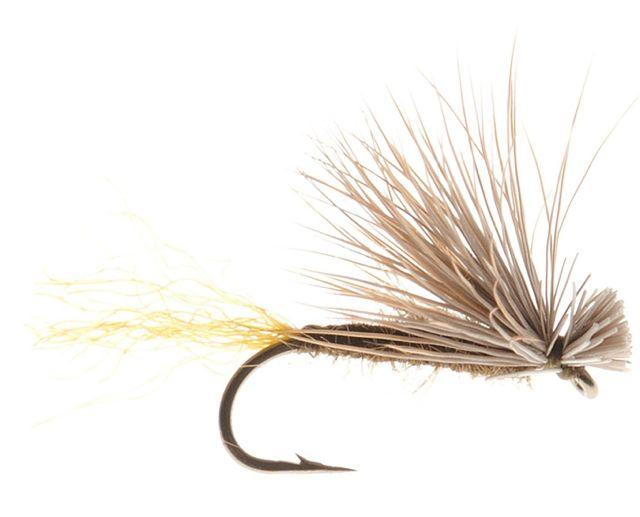
X-Caddis
Caddisflies are a major food source for fish, and a source of a lot of fun for fly anglers. As caddis emerge from both rivers and lakes into their moth-like adult form, they often skitter across the surface, provoking explosive, splashy strikes from trout, bass and panfish. The X-Caddis dry fly imitates a bug that has reached the surface, but failed to shed the husk of its pupal form. That little extra vulnerability amps up predators, just as the erratic wobble of a Rapala imitates an injured baitfish.
Advertisement
Caddisflies exist in a wide variety of buggy shades, but I stick with two body colours for the X-Caddis—cream and dark brown. And the wing should always be natural tan so it’s easy for the angler to see. I do carry a few more elaborate caddis patterns, such Stimulators and Henryville Specials, for special situations like fast water or for actively skating a fly across the surface. Eighty per cent of the time, however, I go with the X-Caddis. It’s just so fishy, simple to tie and durable enough to survive a lot of savage strikes.
Hook: Standard dry, sizs 10 to 18
Tail: Antron, Z-lon or similar yarn
Body: Fine dubbing
Wing: Elk or coastal deer hair
Head: Trimmed butts of wing
Advertisement
Need some tying help? For instructional fly-tying videos, expert tying tips and hints on finding inexpensive materials, check out these fly-tying tips from Outdoor Canada.