

ON THE ROAD
Expert tips for successfully fishing your way across Canada
Advertisement
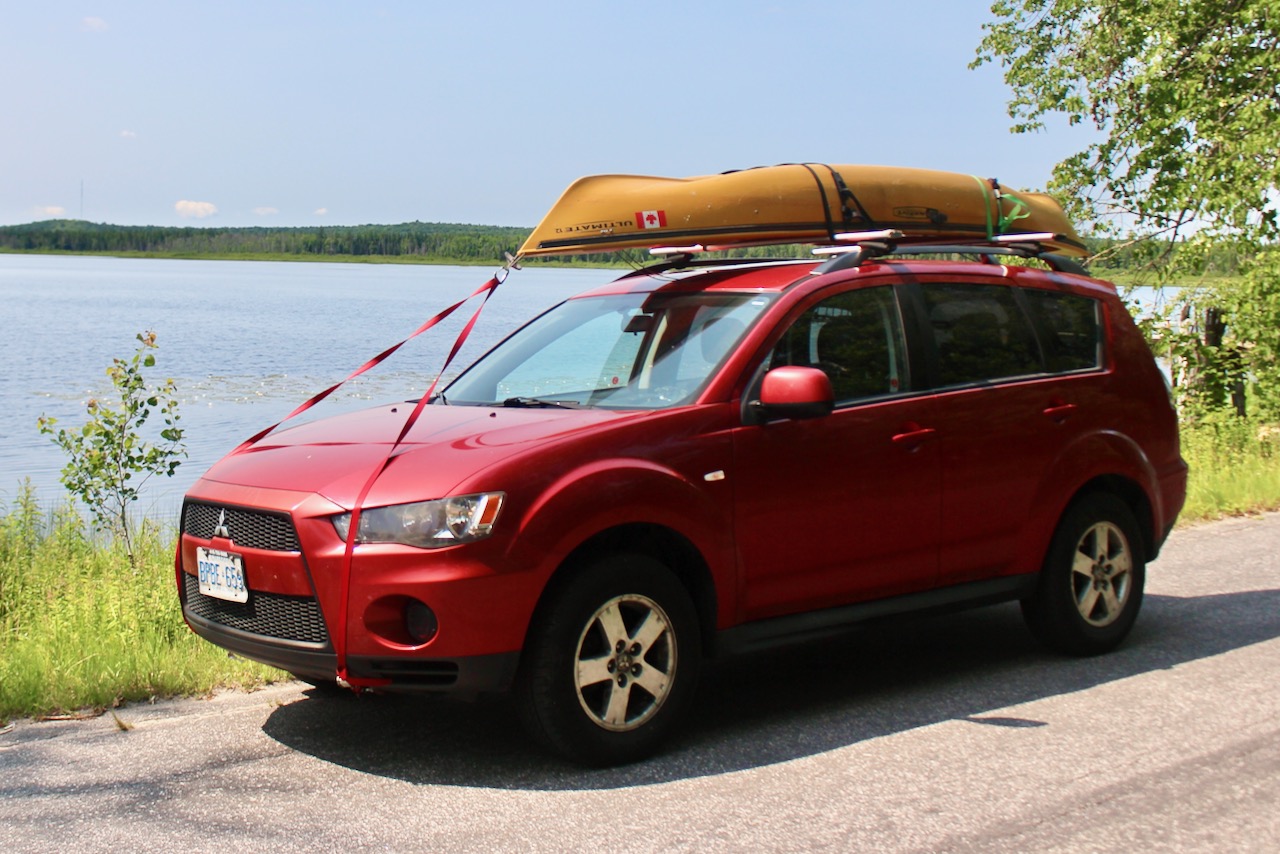
Road trips are deeply ingrained in Canadian culture, embodying a spirit of adventure, freedom and exploration, all at your own pace. Factor in the extraordinary fishing destinations across this land—from prairie potholes to northern rivers to the Great Lakes—and you’ve got the makings of a memorable experience.
Advertisement
A Canadian fishing road trip is often a study in contrasts, with long, hypnotic hours behind the wheel giving way to quick bursts of action on the water. I love that mix of freedom and focus, with rod tubes and coolers packed alongside maps, the kernel of a plan and the hope of fish around the next bend.
But a fishing road trip almost always throws you a few curveballs. Success on such an adventure isn’t about meticulous planning or pure luck—it’s about knowing what matters, packing smart and staying flexible when the unexpected happens. Here’s how to get the most out of every kilometre…
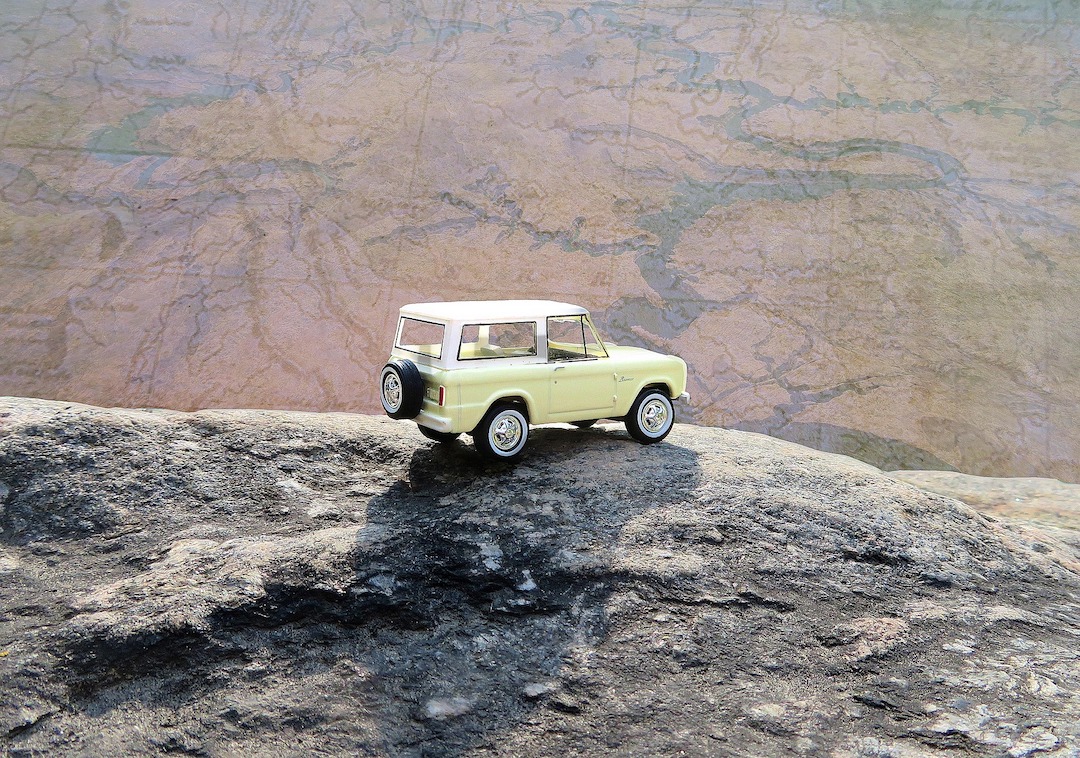 Chart out your trip, but allow for spontaneity (image: ErikaWittlieb/Pixabay)
#1 ROUTE
Your approach to planning a fishing road trip says a lot about you—and about any anglers coming along for the ride. And you’ll want to sort things out before leaving, since it can spark strong opinions.
Advertisement
At one end of the scale are free spirits who can just jump behind the wheel and start driving. At the other end, are the extreme planners who try to map out every aspect, from boat ramps to rest stops. Neither approach is likely to go well. A lack of route planning leads to logistical pitfalls, unpleasant surprises and budget overruns that in turn lead to much less time on the water. Meanwhile, overplanning leads to a loss of spontaneity, stress about keeping to schedules and reduced enjoyment of the moment. I shudder at the idea of leaving a hot bite to be on time for a dinner reservation.
I’ve had my best success following the middle road with some solid ideas—that’s ideas plural—about where to go, and what to fish for, while staying ready for contingencies. On a week-long trip, for example, I’ll try to identify three or four prime fishing locations along the route, rather than betting everything on one waterbody. And I like to include both popular destinations and lesser-known spots, which lets me respond accordingly if I encounter poor conditions or crowds. (I particularly try to avoid the latter.)
Advertisement
Modern technology offers amazing tools, but don’t rely exclusively on Google Maps or your smartphone. Paper maps and downloaded topo maps are invaluable when you’re outside cell range, which happens fast in parts of Canada. Large-scale paper maps also give you a full picture of a waterbody as you decide on tactics. With limited time, those choices matter.
If you haven’t done a lot of long-distance driving, also remember that distances can be deceptive in this vast country, and travel times offered by your apps don’t include bio breaks and gas stops. Finally, before you hit the road, buy fishing licences and check the local fishing regs in advance. Download or print them for offline reference—you’ll be glad you did when you’re out of cell range.
#2 PACKING
Another advantage of route planning is it helps you pack for specific fish and water. Even if you’re pulling a boat or trailer with room for lots of gear, paring down at home aids organization and helps avoid option overload once you’re on the water. A good rule of thumb is to pack tackle for all the situations you’re likely to encounter, not everything you might possibly encounter. Also try to pack versatile tackle that will work well in multiple scenarios. That’s especially true for rods, which can be awkward to store, and are vulnerable to breaking.
Since you’re sticking to (or near) roads, you’ll probably be able to restock or replace gear at local tackle shops or even hardware and general stores. Still, those may be hours away, so I always pack a small “mishap” box of pliers, screwdrivers, zip ties, rope and the holy trinity of duct, electrical and hockey tape, which can temporarily repair everything from rods to trousers to glasses. And even if you’re staying in hotels, it’s handy to have a small cooler for drinks, snacks and fish.