


TRAP TALK
What to know, what to carry and what to do if the worst happens
Advertisement
 Learn how common snares and traps work
Seconds matter when dogs get caught in snares or traps designed to kill fur-bearing mammals. While encounters with such quick-kill traps are rare, it still pays to avoid areas with active traplines. It’s also wise to have an emergency plan in place in the unlikely event your dog does get caught.
KNOWLEDGE
Advertisement
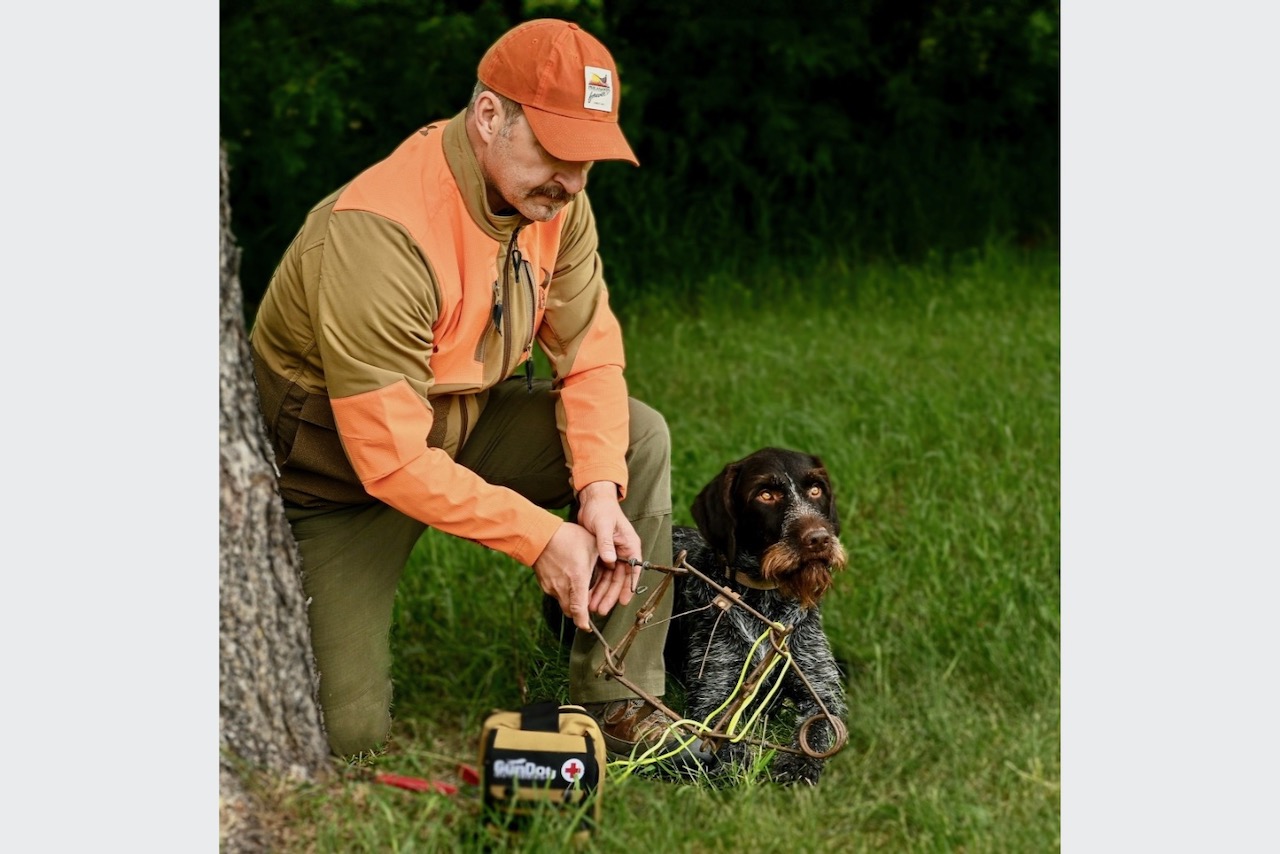
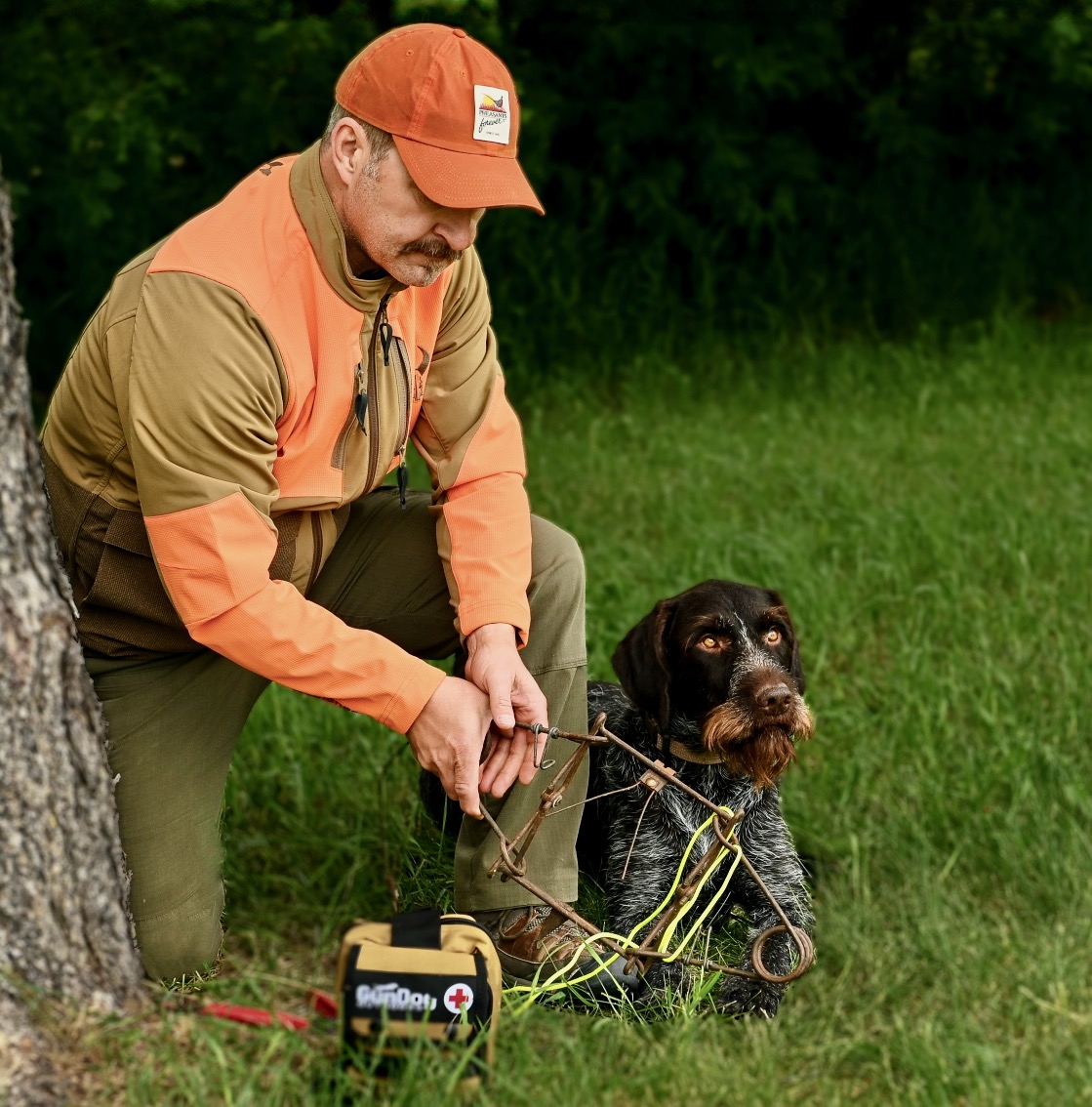
Before heading afield, learn how common killing traps and snares work. These devices are designed to dispatch animals within a few minutes, so you’ll need to work fast to free your dog if it gets caught. Body-grip traps typically have two powerful springs, each with a safety catch.
To open the trap to free your dog, compress and lock each spring by hand or with a rope. Leg-hold traps also use springs that must be squeezed to release tension and free the dog’s foot. Many free-hanging snares include a locking device that prevents a captured animal from backing out, while power snares use a mechanical spring to tighten the loop around an animal’s neck.
GEAR
Advertisement
Hunters running dogs should always carry the proper gear for dealing with a trapline mishap. For slicing through the steel cable of a snare, bring cable cutters, which are superior to the wire cutters found on multi-tools. Also pack 1.25 metres of paracord to compress the springs on large body-grip traps. A muzzle is essential to prevent bites while you work to free your dog from a leg-hold trap, meanwhile, and don’t forget to bring a K-9 first-aid kit to treat wounds.
FIRST AID
Once the dog is released, examine its neck and chest for injuries and watch for breathing difficulties. Also check the feet and legs for swelling, cuts and damaged nails. A check-up at the vet is advisable after most encounters—even when injuries appear minor, soft-tissue damage may not be immediately obvious.