


CHECK-UP TIME
Hunting dogs push through pain, so a quick post-hunt inspection can catch problems early
Advertisement
At the end of a hunt, your dog may look perfectly fine, but small problems can turn into season-ending injuries. In the field, dogs often push through pain to keep hunting. If left untreated, however, a thorn between the toes, a cut on a pad or other minor injuries can sometimes become serious problems.
Advertisement
OBSERVE
During each hunt, watch how your dog is behaving. Do any of his movements look awkward or painful? Subtle changes such as a shortened stride, paw licking, reluctance to jump, head shaking and repeated scratching mean something is off. A dog doesn’t have to limp dramatically to have a problem.
INSPECT
Advertisement
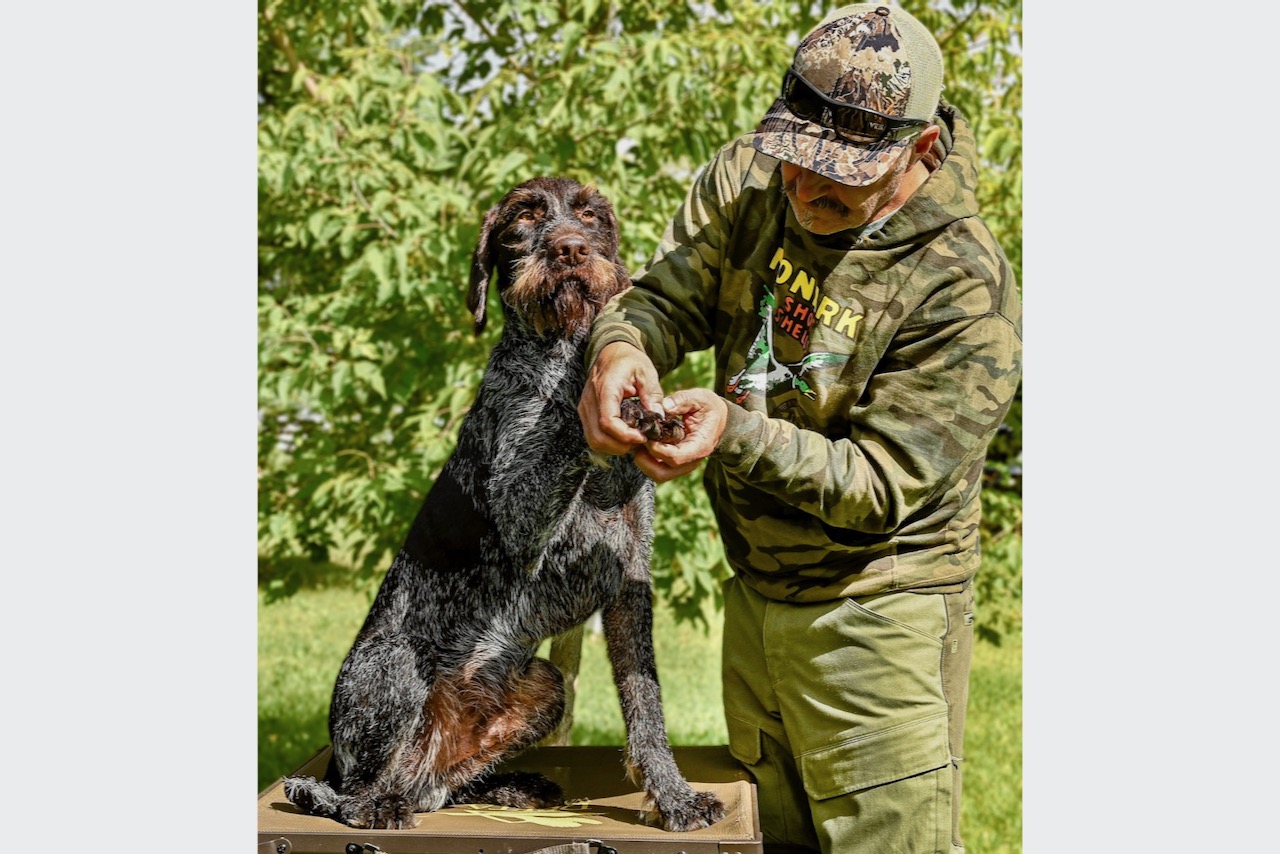
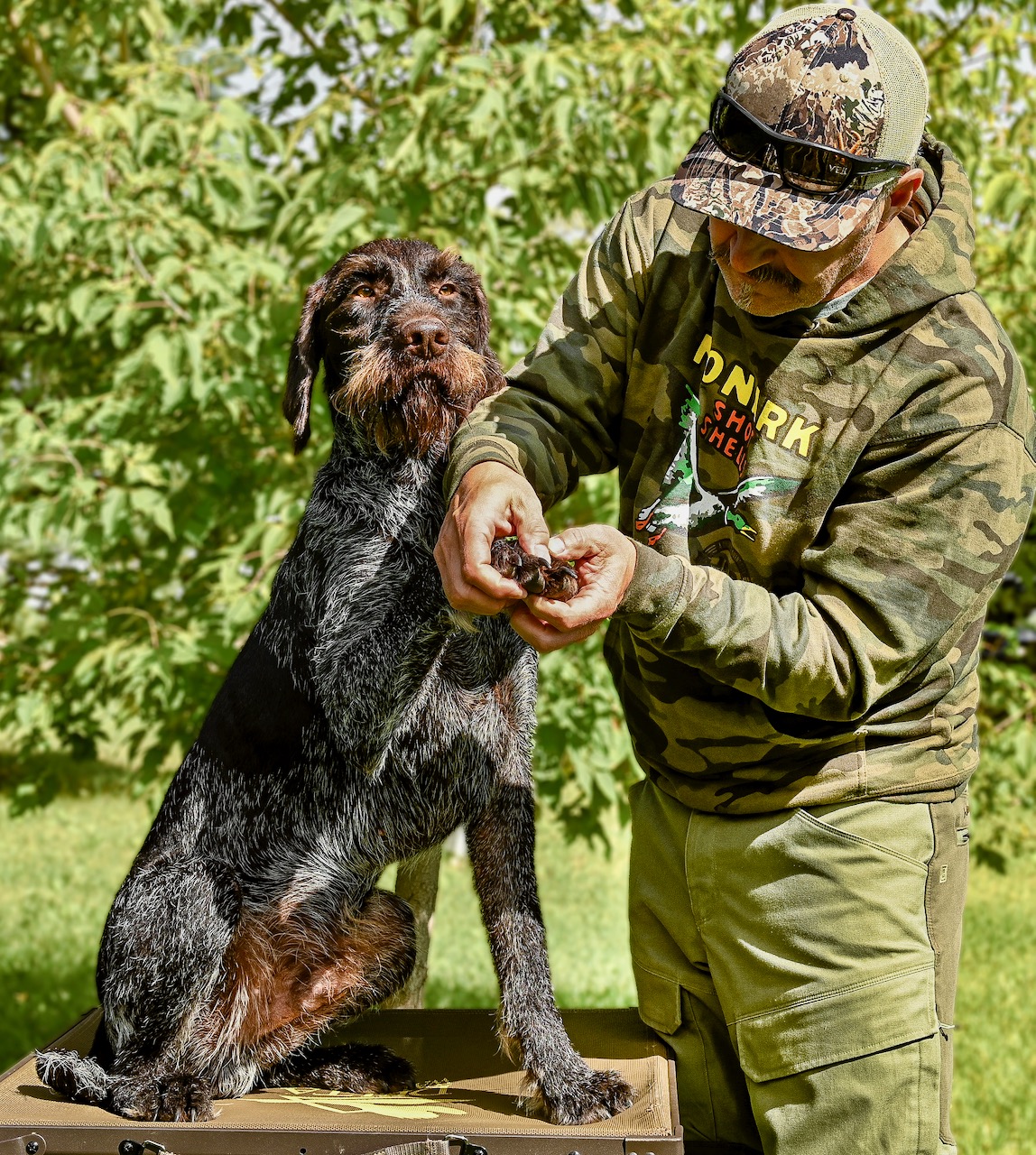
At the end of the hunt, thoroughly check over the dog. Begin with praise and a treat, then inspect the eyes, ears, nose and mouth for debris, scratches or foreign objects. Next, check the neck and chest, both of which can take a beating in the field; look for cuts, burrs, thorns and irritation from collars or vests. Likewise, examine the legs, body and tail, watching for swelling, tenderness, cuts or punctures. Finally, and perhaps most importantly, closely examine the paws for cuts, thorns, burrs, ice, mud or other debris, and examine the nails for cracks or damage.
TREAT
Always keep a well-stocked canine first-aid kit. Clean minor cuts, remove any obvious foreign material and mud, and dry and protect irritated paws. Also, remove any burrs or thorns before they work deeper into the coat or skin. Inspect the dog once again in the following morning, then use your judgement if a rest day is in order. Again, the main point here is prevention: five minutes of inspection after a hunt can keep a minor injury from becoming a reason to leave the dog at home.