


FIRST CASTS
How to get kids hooked on fishing—and have fun doing it
Advertisement
Getting children out on the water can spark a lifelong love of the outdoors—or, if the day tanks, it could make them swear off fishing forever. As a professional guide who spends a lot of time fishing with kids, I’ve seen it all. Some burst with excitement at the prospect of learning how to fish, while others would rather be anywhere else. Here are five simple tricks I’ve learned over the years to ensure they all leave the water wanting more, not wondering why they got dragged out there in the first place.
#1 USE AGE-APPROPRIATE GEAR
Advertisement
You wouldn’t expect seven-year-olds to use adult sized-hockey sticks, so you shouldn’t expect them to wrestle with full-sized fishing rods, either. Instead, match kids with tackle that suits their size and skill level. That’s the best way to keep them from getting frustrated with gear that’s simply too big or complicated for them to use properly. Get the equipment right and you’re setting them up for immediate success, allowing them to focus on the experience rather than the details. The details are your job, not theirs.
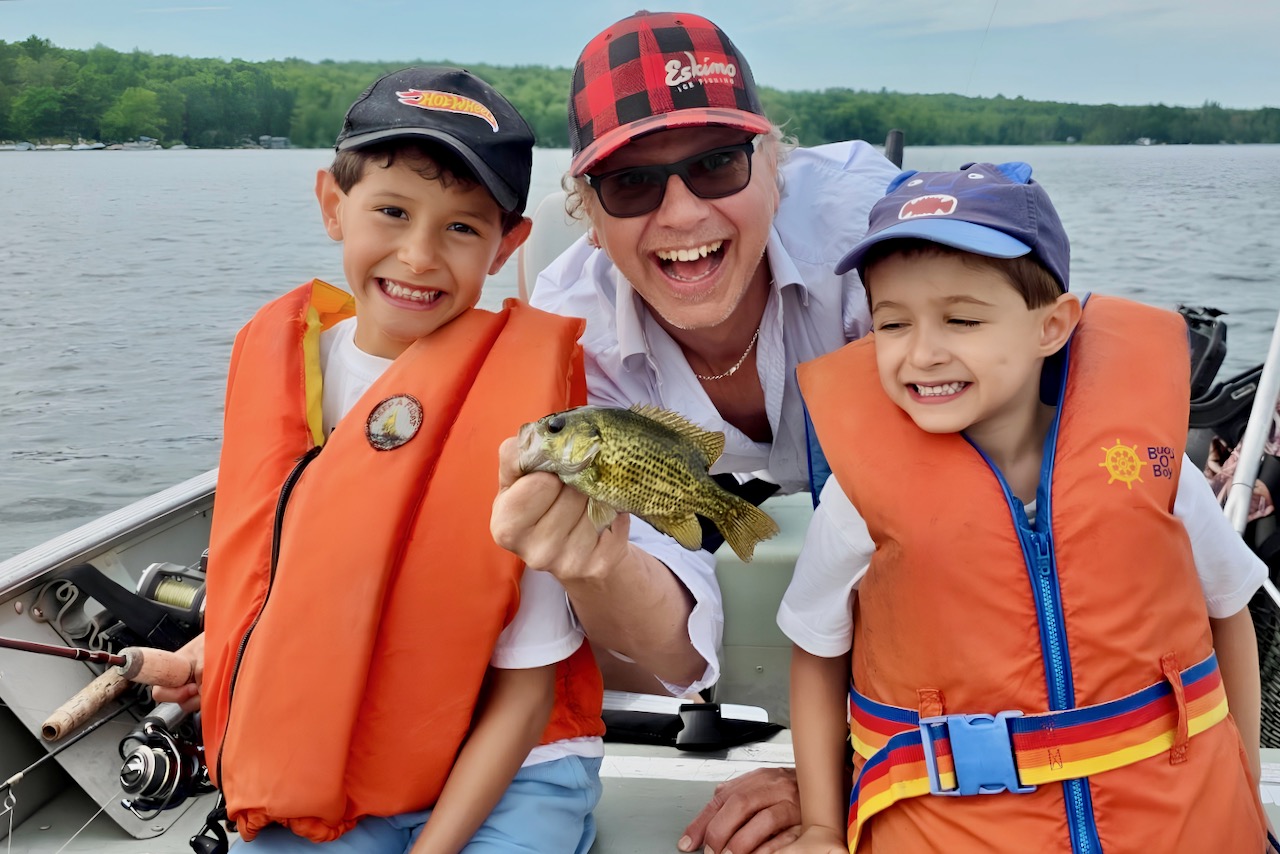 Go for the easy catches
#2 CHOOSE THE RIGHT SPOT
Not every waterbody is ideal for first fishing trips with kids. Calm, shallow waters with abundant, readily biting species such as panfish, bass or stocked trout are usually the ticket. Even when they’re small, those fish put up enough of a fight to feel exciting—a decent bass or rainbow fight will blow a young beginner’s mind.
Advertisement
If you’re fishing from a boat, anchor or drift gently in shallow water; avoid deep, rough or windy open spots. The key is to simply give kids a high chance of hooking something. A bobber that dips, or even a tug on the line, is the spark you want.
#3 KEEP TRIPS SHORT AND FUN
Advertisement
Unlike seasoned anglers, kids can rarely endure long, contemplative outings. If they sit around for hours without action, their attention—and enthusiasm—will quickly vanish. So, limit initial outings to two to three hours, which is enough time for a few casts and bites, but not so long that kids get bored or cranky.
When there’s downtime, meanwhile, mix things up. For example, show them some gear tips, examine live bait up close, point out cool natural features along the shoreline, or explain what the images on the sonar screen mean. Finally, be sure to bring drinks and snacks; a hot sun and rumbling belly can quickly kill a kid’s mood.
#4 LET THEM FISH
Your job is to coach, not fish. Let the kids bait the hook, cast, reel, jig and retrieve, even if they fumble through it. Show them once, then step back and let them make mistakes until they ask for help. When they do catch something—even a tiny sunfish—celebrate like it’s the fish of lifetime with high-fives and a photo. It’s the confidence boost and the thrill of catching that counts, with the memory lasting a lot longer than the fish itself.
#5 DON’T PRESSURE THEM
With kids, don’t treat fishing trips as you would with your hardcore fishing buddies, measuring success in the numbers, pounds and species of fish caught. Instead, measure success in smiles, curiosity and fun. Use fishing as a doorway to a broader outdoor awareness. Talk about the flora and fauna they see, the sounds they hear, and the need to respect nature. Let them ask questions and be curious. Laughter, conversation and silliness are just as important as the fish. Sometimes, the best memories aren’t about a catch—they’re about spotting ducks and turtles, or sharing quiet moments between the action.
After many seasons of guiding with kids, I’ve come to realize the most important thing you bring isn’t your best rods or top baits. It’s your attitude. Bring positivity, and you won’t just instill kids with a love of fishing. You’ll also give them something deeper—a passion for the outdoors.
BONUS TIP: PLAY IT SAFE
Along with bringing drinks and snacks on fishing outings with kids, also ensure they are wearing sunscreen, hats and PFDs. Sunglasses are also a good idea when they are casting and retrieving.