

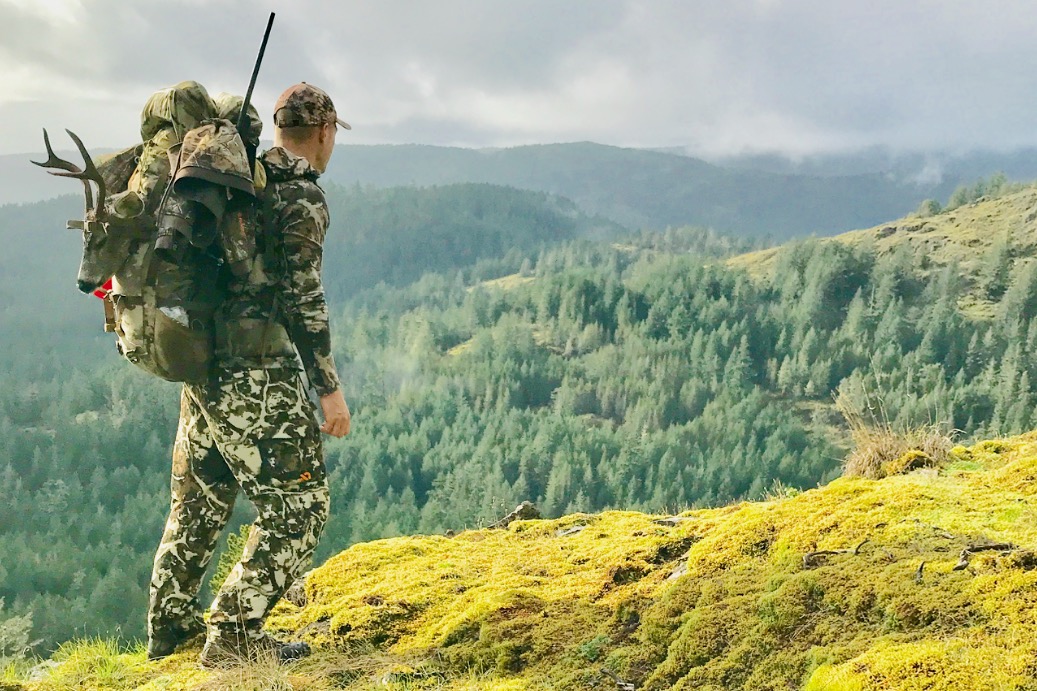

THE HUNTER AS CONSERVATIONIST
We unpack the findings of a comprehensive new survey on hunter perceptions about conserving Canada’s wildlife and wild places
Advertisement
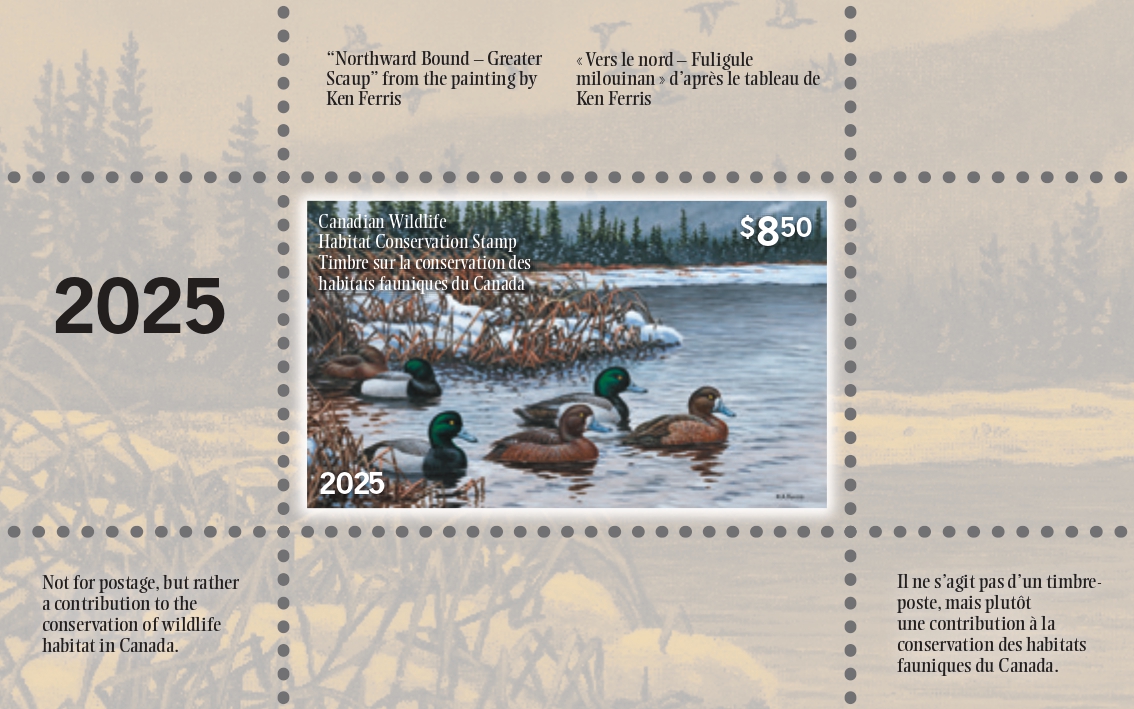 Hunters support conservation by purchasing duck stamps, even if they don’t plan to hunt (image: Wildlife Habitat Canada)
HUNTERS SUPPORT CONSERVING ALL SPECIES AND HABITATS
Eighty-eight per cent of the respondents agree with caring about conservation of all species and habitats, while 86 per cent disagree with caring only about conserving species they hunt. Those results corroborate the finding that 98 per cent of the hunters surveyed identify as conservationists. It also makes sense, given that 4,002 of the 4,022 respondents participate in a range of nature-based activities, including fishing (91 per cent), camping (65 per cent), gardening and hiking (53 per cent), paddling (49 per cent) and birdwatching (34 per cent). These hunters, by and large, are nature enthusiasts. It makes sense they want to conserve what they value, but the survey results also counter the narrative they only want to conserve for the express purpose of creating hunting opportunities.
Advertisement
HUNTERS PARTICIPATE IN CONSERVATION
Ninety-one per cent of the respondents say they have participated in at least one form of direct conservation, including volunteering, restoring habitat and making property more friendly for wildlife. Ninety-five per cent say they take actions that support conservation, such as purchasing licences and tags even if they don’t plan to hunt (the Canadian Wildlife Habitat Conservation Stamp, or Duck Stamp, is a good example). They also say they vote based on conservation priorities, and support conservation organizations as members or subscribers. In fact, 94 per cent are members of their provincial or territorial hunting-conservation organization, while 64 per cent also belong to a national conservation organization (Ducks Unlimited Canada and the Canadian Wildlife Federation are the top two).
HUNTERS RECOGNIZE THREATS TO NATURE AND WILDLIFE
Advertisement
Nearly all of the respondents identified multiple threats to nature and wildlife in Canada. The top three were loss of habitat (85 per cent), invasive species (77 per cent) and urbanization (70 per cent). Overall, the threats they identified align with those noted by non-hunting conservationists across the country.
Given the geopolitical changes impacting Canada in recent months and the need to undertake more home-building and nation-building projects (via Bill 5 in Ontario and Bill C-5 federally), impacts to nature and wildlife are unavoidable. These are some examples of concerns that might be more successfully addressed by joining forces with groups that share similar interests, or by hunting organizations across the country becoming more aligned, and vocal about conservation concerns on behalf of their members.