


THE HUNTER AS CONSERVATIONIST
We unpack the findings of a comprehensive new survey on hunter perceptions about conserving Canada’s wildlife and wild places
Advertisement
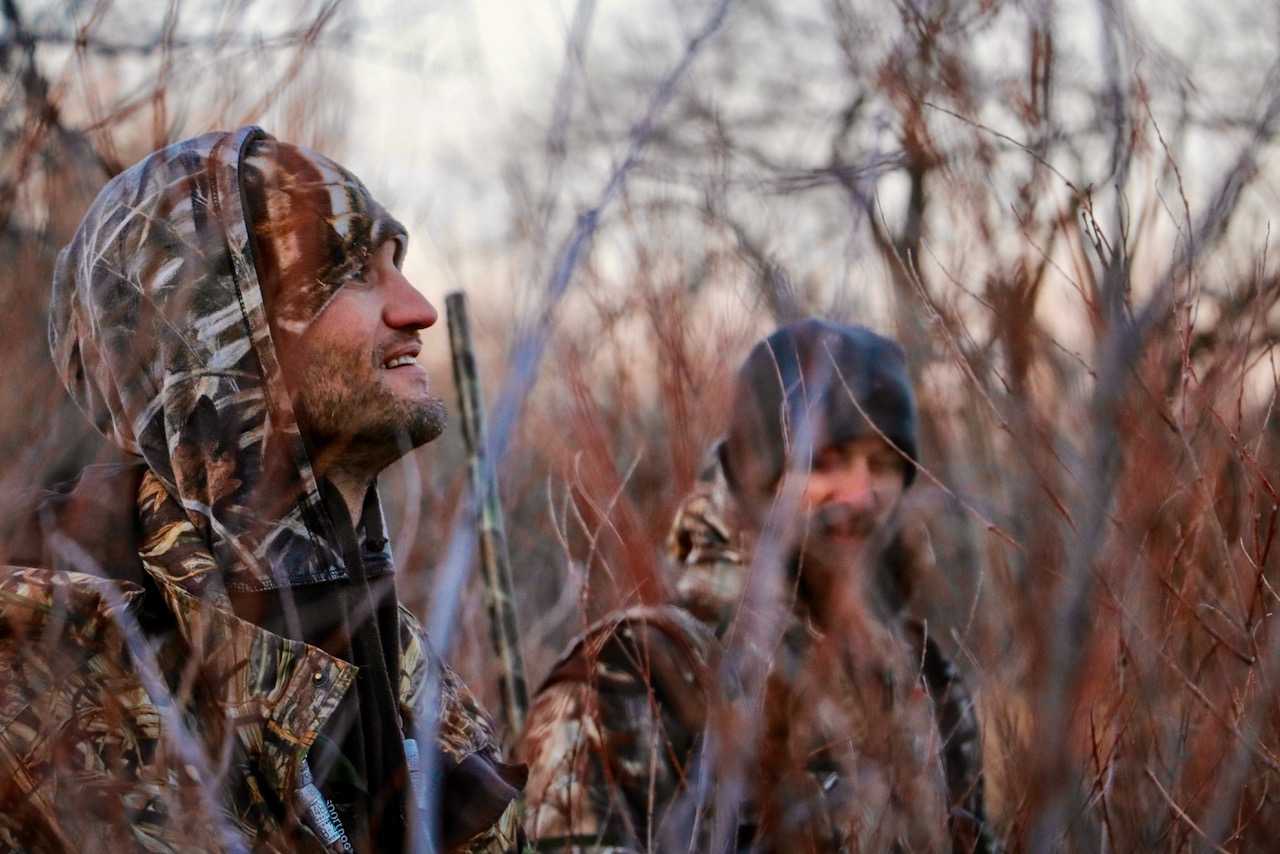 For most respondents, connecting with nature is part of hunting (photo: Rhett Noonan/Unsplash)
HUNTING IS A WAY TO CONNECT WITH NATURE
Connecting to nature through hunting is something 85 per cent of the respondents say they experience. While that may be obvious to hunters, it’s not a well-represented perspective in peer-reviewed material about hunting in North America, most of which is from the U.S. As a result, it’s possible there are differences in perspectives between U.S. and Canadian hunters. It’s more likely, though, that these types of questions have simply not been asked of hunters as part of academic research. Indeed, the phrase “connecting to nature” typically doesn’t come up in everyday talk about hunting, regardless of how true it may be. Clearly, it’s a perspective hunters can do a better job of communicating. Not only does it reveal another dimension to hunting, it also creates opportunities to have conversations with those who don’t understand the activity.
Advertisement
REGULATED HUNTING IS NOT A THREAT TO CONSERVATION
More than 80 per cent of the respondents say hunting regulations in their jurisdiction do not pose a conservation threat. That may demonstrate their confidence in the permit and licence issuers—as well as the methods in which harvest numbers are determined—and the belief they are not harming populations. The current system of regulated hunting is based on the principles of sustainable resource use and wildlife management that arose in response to unregulated market hunting in the late 1800s and early 1900s, both here and in the U.S. Those principles are what’s known as the North American Model of Wildlife Conservation. While there are critics of this model, and there’s recognition it needs to evolve, the survey suggests hunters fundamentally believe regulations are in place to ensure the sustainability of wildlife populations.
WITH HUNTERS, CONSERVATION RISES ABOVE POLITICS
Advertisement
It seems there’s ever-increasing polarization along political lines, or at least that’s the impression conveyed in the media. However, that appears not to be the case with respect to conservation. While 60 per cent of the respondents tend to skew Conservative, more than 80 per cent are willing to collaborate with people of different political views for the purpose of conservation. That is heartening in that it means we can, for the most part, lay our differences aside for the greater conservation good. It also supports the argument that conservation need not be a partisan issue.