

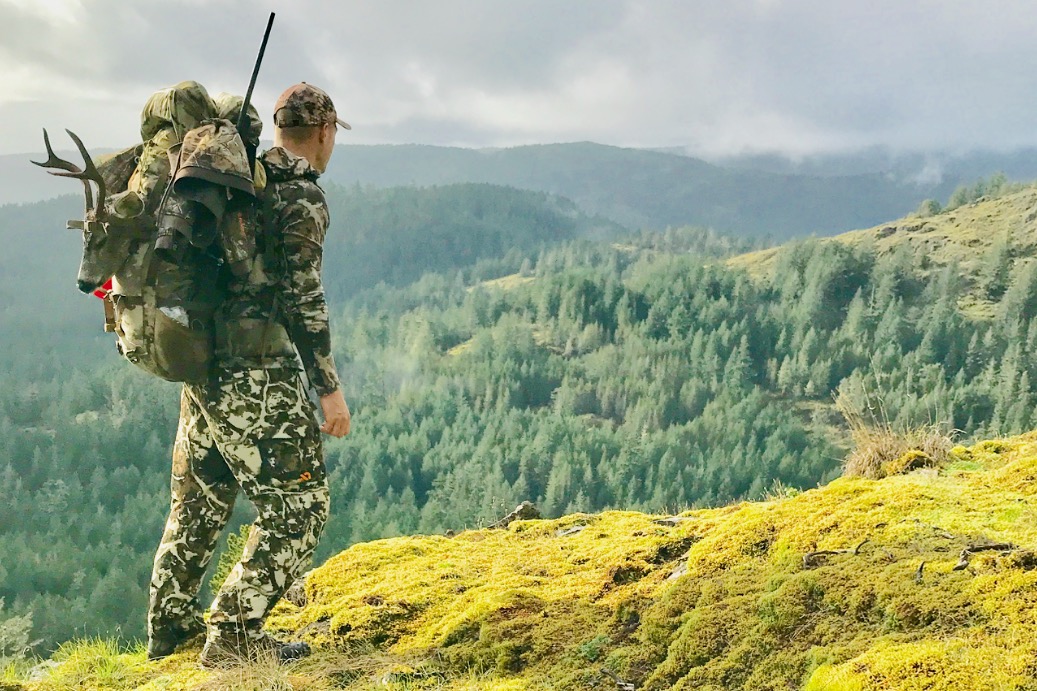

THE HUNTER AS CONSERVATIONIST
We unpack the findings of a comprehensive new survey on hunter perceptions about conserving Canada’s wildlife and wild places
Advertisement
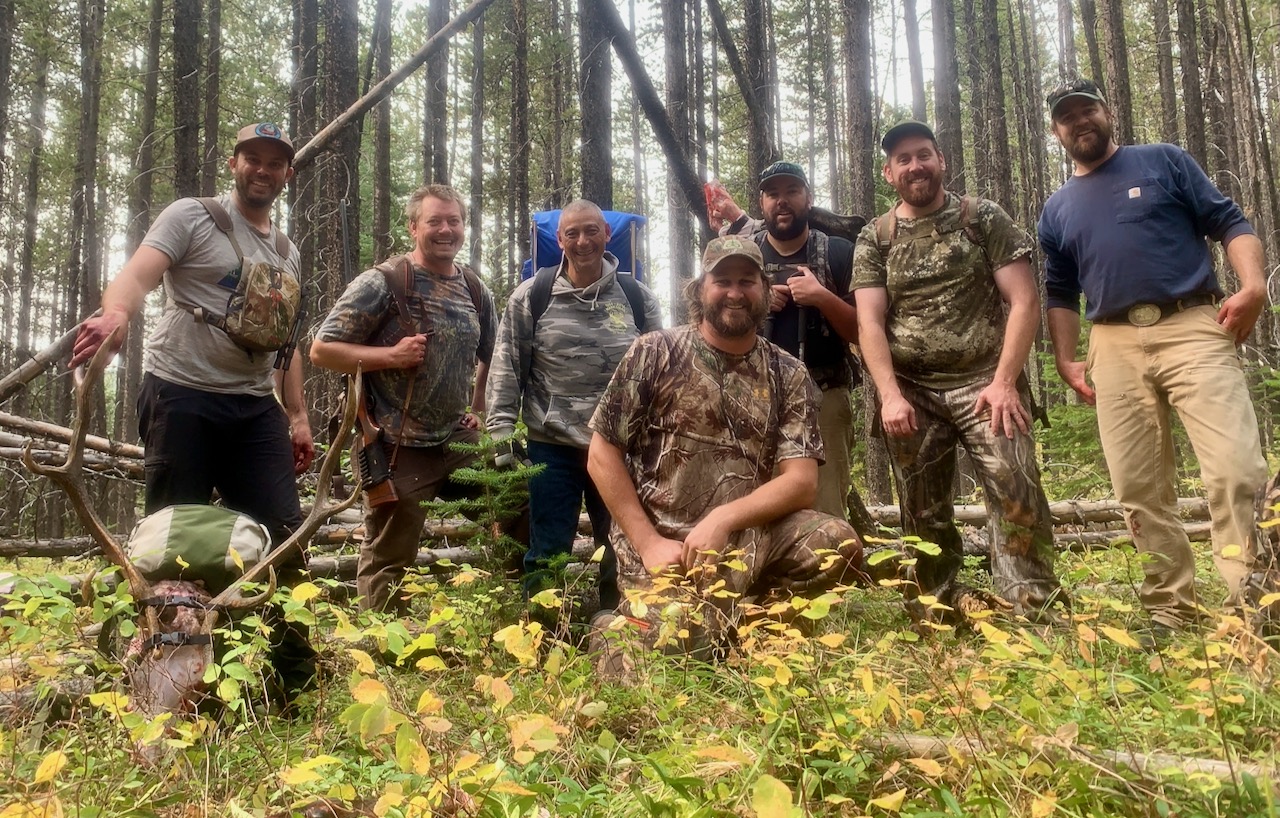 Most hunters surveyed say everyone should practise some form of conservation (pmage: Scott Lindsay)
HUNTER KNOWLEDGE AND EXPERIENCE CAN HELP CONSERVATION
All forms of hunting require a range of skills, knowledge and experience. On top of that, hunters engage in numerous other outdoor activities, including conservation initiatives. It’s therefore no surprise that more than 90 per cent of the respondents feel they can contribute valuable knowledge and experience to conservation efforts. The takeaway here? Hunters in Canada may be an underutilized conservation resource.
Advertisement
MONEY AND RESOURCES ARE HUNTER BARRIERS TO CONSERVATION
Not only are hunters interested in conservation, they also have knowledge and skills to contribute. And while the survey respondents feel conservation is a priority, they identify a lack of money and time (44 per cent and 41 per cent, respectively) as barriers to participating more. That gives conservation organizations an opportunity to consider ways to engage hunters without unreasonably straining their finances and time.
ALL HUNTERS SHOULD PARTICIPATE IN CONSERVATION
Advertisement
Ninety-one per cent of the respondents agree that everyone should practice some form of conservation. As far as outdoor recreationists go, I suspect hunters are above-average in holding that view. There may be multiple reasons they value conservation. Perhaps it’s the recognition that hunting is a reciprocal rather than one-sided relationship with nature, and that conservation is the pragmatic and responsible thing to do. Or maybe it’s just the simple desire to do good for nature. Regardless, the focus should be on the actions hunters have taken and continue to take—and finding ways to encourage even greater hunter participation across the country.

BEHIND THE SURVEY
Offered in both English and French using the online Qualtrics survey tool, my anonymous online survey was made available to all hunters in Canada over a six-week period in the fall of 2023. No incentives were offered to encourage participation. For help in distributing the link to the survey, I reached out to provincial and territorial hunting-conservation organizations affiliated with the Canadian Wildlife Federation. My thanks goes out to the respective associations of Ontario, Manitoba, Saskatchewan, Alberta, B.C. and the Yukon for sharing the survey with their members via email, newsletters and social media.
While some Canadian hunters have been included in past surveys of the general population, and some surveys have included hunting and conservation as a component, to my knowledge this was the first academic survey dedicated specifically to hunters and their views on conservation. In all, the survey included 23 questions and resulted in a net total of 4,022 valid responses. While the findings may not represent the views and actions of all hunters in Canada, the large number of responses make the results noteworthy.
Responses were received from every province and territory, although most were from Ontario (83 per cent). Of the respondents, 94 per cent were male and 80 per cent were over the age of 46; nearly 25 per cent were urban dwellers, with the rest almost evenly spread between suburban and rural locations. Sixty per cent of the respondents said they tended to vote Conservative, with the rest reflecting a range of voting tendencies.
As for favoured game, the top three choices were deer and moose, upland and migratory birds, and wild turkeys. Ninety-eight per cent said they either eat what they harvest, or donate some or all of it to others for consumption. In all, 94 per cent said they belong to a provincial hunting-conservation organization, while more than 60 per cent said they also belong to a national conservation organization.