

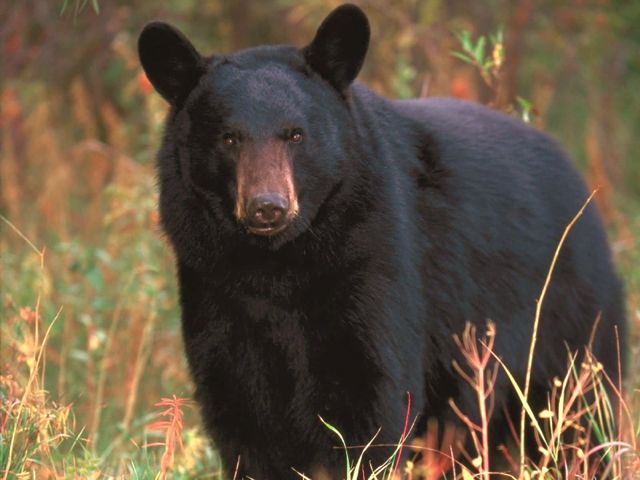

LAST-CHANCE BRUINS
Embrace the chill and challenge of fall’s final opportunities to hunt trophy black bears
Advertisement
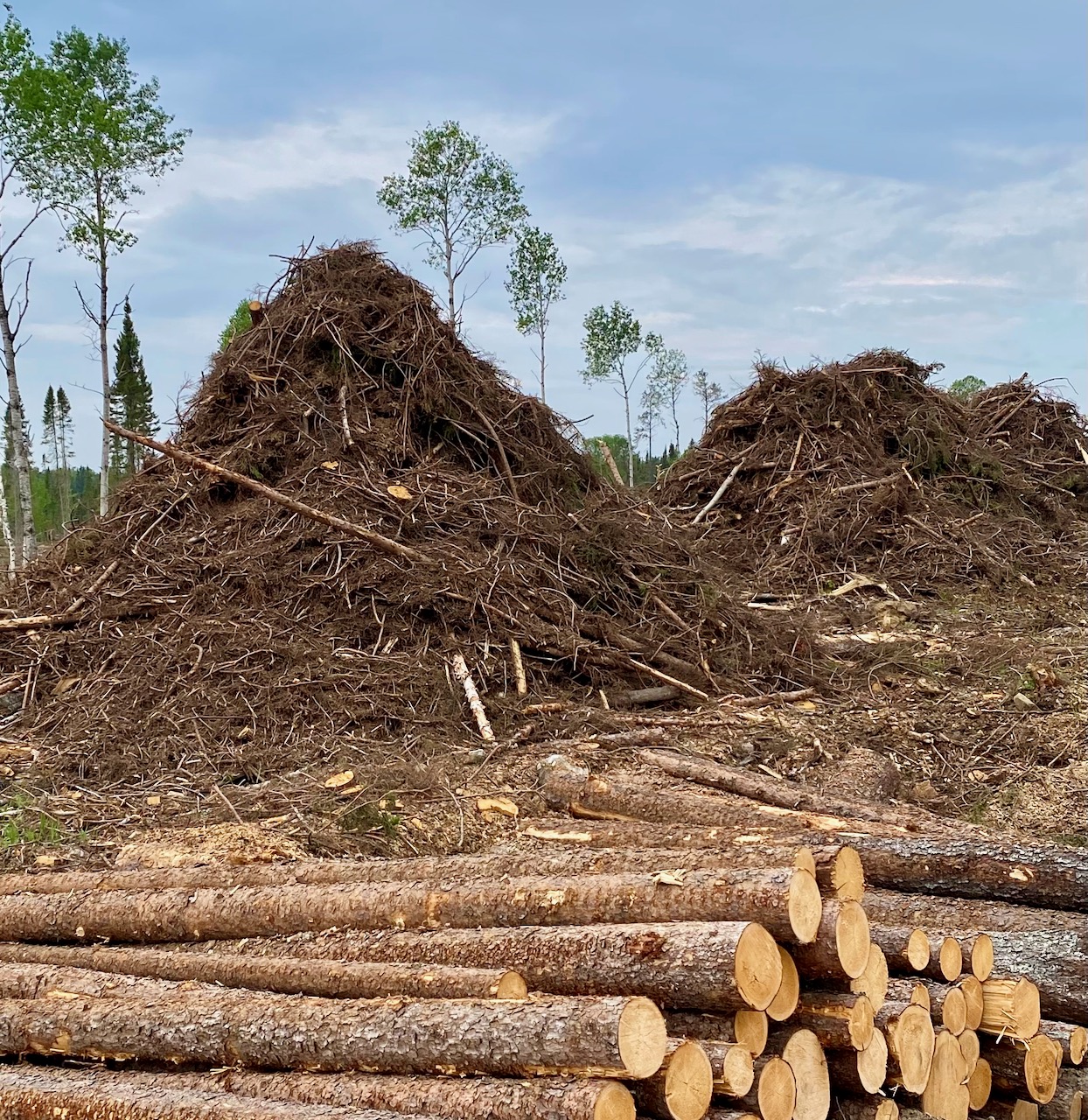 Logging stash piles near a food source can serve as bear dens
LATE-SEASON BEHAVIOUR
With the end of summer heat, bears become increasingly active, covering greater distances in search of food. By the end of November, they’ll have completed months of foraging, building their reserves for hibernation. Their behaviour is driven by instinct, a desperate search for calorie-laden mast and remaining berries, stretching their hides to capacity. Throughout this hyperphagia stage of uncontrollable eating, bears can consume 20,000 calories a day, gaining up to 35 per cent more body mass since the spring.
As vegetation withers in the fall, visibility improves and the crisp air carries sound farther. While this transformation of the landscape offers hunters new vantage points, it also exposes their position. At the same time, bears change their travel corridors to coniferous river bottoms due to the lack of leafy ground cover. They’ll also prefer to travel in low light or total darkness, when their hides make them all but invisible.
Advertisement
Also around this time, the reduced sunlight hours and dropping temperatures trigger a bear’s metabolism to prepare for hibernation. Its heart rate and respiration slow down, and more daylight hours are spent napping, with less importance given to finding low-calorie leafy food. Research shows that the absence of easily obtainable, energy-rich forage also triggers an immediate retreat into dens. Older trophy bears, reaching 20-plus years of age, will continue to linger long after sows with cubs and yearlings have tucked in for the big sleep.
Black bears select a den site that promises awaiting food resources for their springtime needs following hibernation. Generally, the site will be close to a water source with southern exposure, where green sprouts appear first. Best bets are ponds with an abundant ecosystem including beavers, muskrats, frogs and salamanders, or rivers with a spring spawning run. In western regions, bears will typically choose dens next to open mountain meadows and stands of aspen, poplar or willow, where succulent buds sprout early in the spring to fill their aching bellies.
Deadfall, overturned root masses and logging operations with tall slash piles can also attract bears as possible denning sites, especially if they’re near thick timber and an abundance of adolescent fruit-bearing trees such as mountain ash, or saskatoon shrubs loaded with berries into the winter. Other good options include farm field windrows and nearby slews, which skirt harvested fields with remnant stubble grain or corn cob fragments. These sites can be pinpointed by watching mid-day flocks of late-season migratory waterfowl. Note that bears will avoid small ponds with an overnight skiff of ice.
Advertisement
LATE-SEASON SCOUTING
With food sources determining fall bear movements, hunters must scout diligently for fresh sign, including tracks, scat, clawed trees and overturned logs. Key habitats to search include mast-rich areas such as oak ridges, beech groves and fruit orchards, all of which are magnets for hungry bears. Patches of late-ripening cranberries, mountain ash and wild blueberries are also prime spots, as are abandoned apple orchards.
The most overlooked bear sites include riverside boat launches, where anglers and commercial fisherman leave behind salmon carcasses, and the field corners of suburban farms where culled livestock and miscarriages are deposited. Also overlooked are the remaining patches of autumn gourds such as pumpkins and squash.
Game cameras are invaluable at this time for capturing nocturnal bear activity and identifying travel routes—bears will travel as far as 100 kilometres to food sources they learned about from their mothers, or picked up on the wind. Glassing from clear vantage points at dawn and dusk, when bears are most active, is also effective. Keep in mind that black bears typically don’t reuse den sites, as there are so many options.