

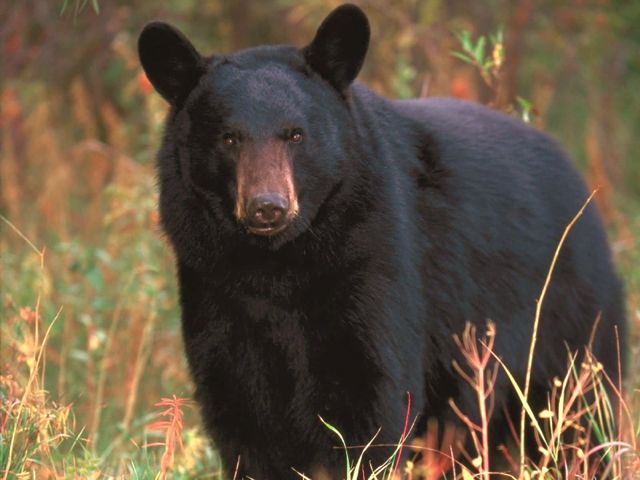

LAST-CHANCE BRUINS
Embrace the chill and challenge of fall’s final opportunities to hunt trophy black bears
Advertisement
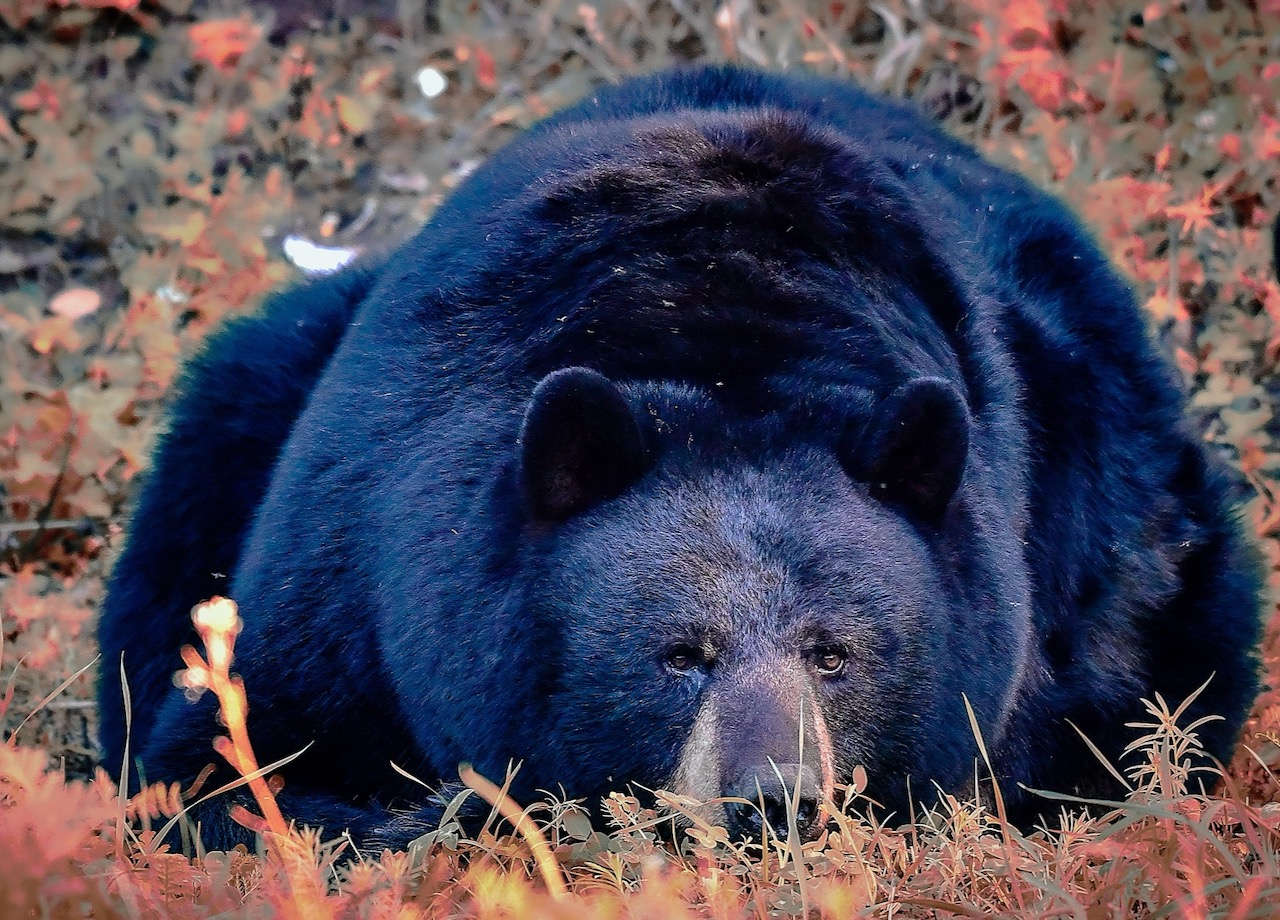 Bear preparing for denning can be lethargic and sleepy
LATE-SEASON STRATEGIES
Thinking outside the box is necessary for a successful late-season bear hunt, unlike the tactics of spring when bears are less cautious and more predictable because of post-hibernation starvation. Those same methods come up short in September, October and November.
RUNNING & GUNNING
Advertisement
Hunting in higher elevations, or following an impromptu snow flurry, is ideal for a run-and-gun approach to finding fresh tracks while conditions allow. At first light, methodically cover ground by traversing a pre-determined grid of backroads, riding off-road vehicles across meadows and logging clearcuts to find fresh tracks.
Once you’ve identified sizeable bear tracks and the direction in which they’re headed, note the location on your GPS and follow on foot. Bears are apex predators and not in a hurry—with no natural predators, they aren’t very concerned about being pursued as prey.
STAND & STILL-HUNTING
Advertisement
Both stand- and still-hunting have proven effective late in the year. Set up near a feeding area, a lofty stand helps keep approaching bears from detecting your scent. Still-hunting, on the other hand, rewards your persistence and knowledge of the terrain as you slowly and methodically move along, looking and listening for bears. With the undergrowth thinned, hunters can tread silently over wet, decaying leaves as they glass ahead, all the while remaining vigilant about shifting winds and their quarry’s powerful nose.
Bedded bears preparing for denning are lethargic, and nap deeply during the day. They also get spooked into nocturnal movement once a forest’s leafy foliage has dropped. If disturbed, they’ll stick to travel corridors such as ravines, hillsides, river bottoms and dense thickets, where chance encounters can offer a shot. Bears also enjoy more remote locations, especially once off-road ATV enthusiasts, weekend warriors and upland bird hunters arrive on the scene.
AMBUSH BAITING
Baiting remains the most productive hunting tactic, as bears are slaves to their stomachs. The late season pushes them to become increasingly nocturnal, however, requiring a pre-emptive and careful bating strategy. Start by setting up an ambush stand within view distance of a bait pile 100 to 200 metres back along the most-used game trail, where big bears typically stage until its dark enough for their comfort level.
Bait and scent selection differ greatly throughout the season. While the abundance of ripe berries is the main course during late summer, it’s time for a change in the menu later in the season. Mature bears are aware that natural food sources have withered by then, so avoid the likes of blueberry or raspberry attractants, which can lead to unwarranted caution. Instead, satisfy their pre-hibernation craving for sweets by offering never-before-encountered flavours and scents, such as salted caramel toffee, red velvet cake or cotton candy. Hard candy treats make for a crunchy, lickable attractant, no matter what the weather.
A bear’s entire life cycle is based on the amount of fat stores and weight it gains to survive the winter. Even the fate of fertilized eggs awaiting the go-ahead to attach to the uterine wall is determined by the sow’s body mass index. A sow weighing less than 250 pounds is unable to both sustain itself over the winter and provide nutritious milk to a litter of cubs, so it will abort the pregnancy before it even begins.
Decades of observational experience have proven that easy-to-obtain sources rich in protein and fat are the pièce de résistance for pre-hibernation behemoths. Really, who wants to take a long nap on an empty stomach lasting four to six months? So, when available, I set out a beaver carcass, roadkill or slaughterhouse scraps coated with a generous layer of lard, solidified bacon grease or used fryer oil. That virtually guarantees a bear will make an appearance within hours.
As opportunists, bears are naturally on the lookout for big-game die-offs. Migrating caribou herds leave behind old and sick stragglers, for example, while rutting moose and deer can die from injuries incurred from sparring, or if their antlers become locked. The danger here for black bears lies in the competition from pack wolves, mountain lions and coastal brown bears, all of which have the same strategy—obtain maximum calories with minimal effort.
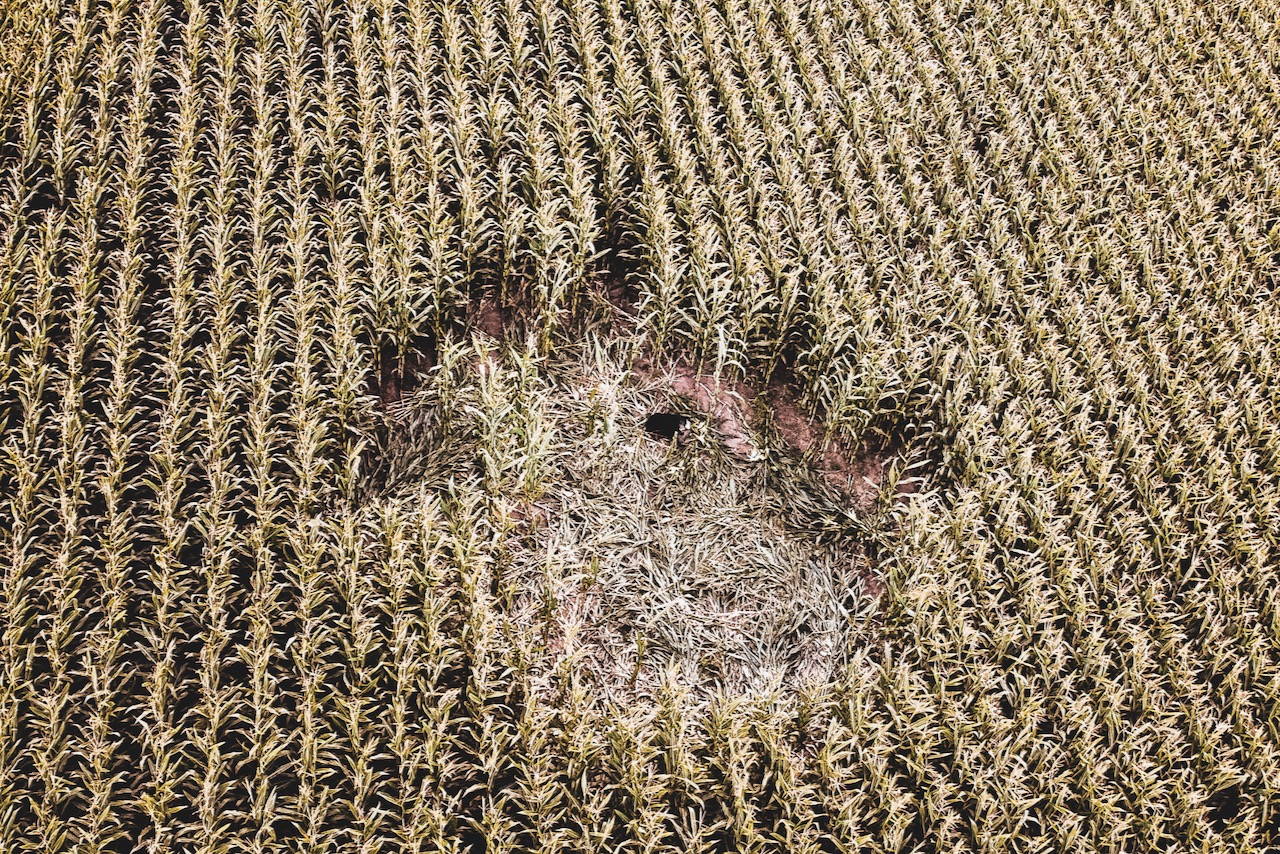 Knocked-down cornstalks are a good sign bears are about
SPOT & STALK
In certain situations, farmers may leave behind crops such as standing corn for the entire winter, or to be picked later than usual. That’s a windfall during extreme winter conditions for hungry bears, as well as for other species such as pheasants, wild turkeys and white-tailed deer.
Where permitted (and not on the same day as a hunt), drones can be effective for finding such fields, where bears will have made trails in the tall grass or pulled down corn stalks. Then it’s a matter of making a slow and methodical stalk, or setting up within accurate shooting range along narrow fencerows or bush lines between fields and creek beds.
PREDATOR CALLING
Imitating the sounds of injured small critters in distress can entice a curious bear, especially when the wind has subsided and the sound carries farther. Combining the call with a scent attractant creates an even more convincing deception, improving your odds in the process. To keep out of the line of sight, use a handheld reed call from within a blind.
Also effective is a high-tech electronic predator call operated via remote control. Many top models feature a rotating rod that erratically spins a furry rabbit tail on command, while playing overlapping distress sounds from a programmable database.
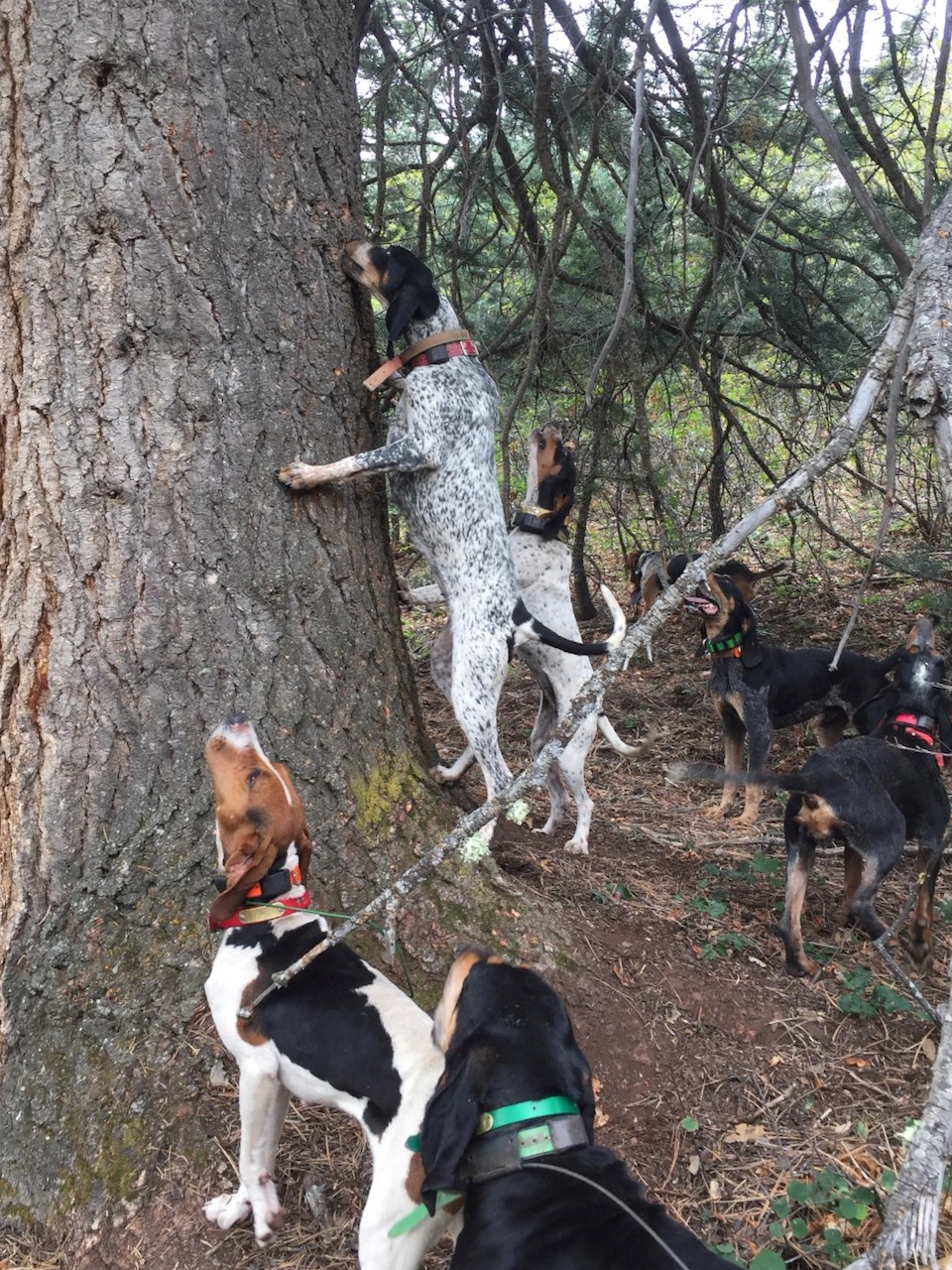 Hunting with hounds is an exciting late-season option
HOUNDS
Where permitted, driving bears with scent-trained dogs makes for an exciting alternative, especially when you hear the distant howling of hounds on a scent trail turn into long baying once they’ve treed or cornered a bear. A good starting point to release the dogs is at a bait stand where a cellular trail camera has captured pre-dawn images of a target bear. Ideally, the trail will be less than a few hours old, and a slow-moving bear can be encountered in short order.
Beware that oversized boars will have begun to slow down their metabolic activity, and therefore refuse to climb trees. Instead, they’ll opt to stand their ground, which can lead to grave injuries to an over-anxious dog. With that in mind, every dog should have GPS collar for tracking and recovery, should they stray from the pack.