


A RIFLE TO REMEMBER
A seasoned hunter’s primer on what to look for in your very first big-game gun set-up
Advertisement
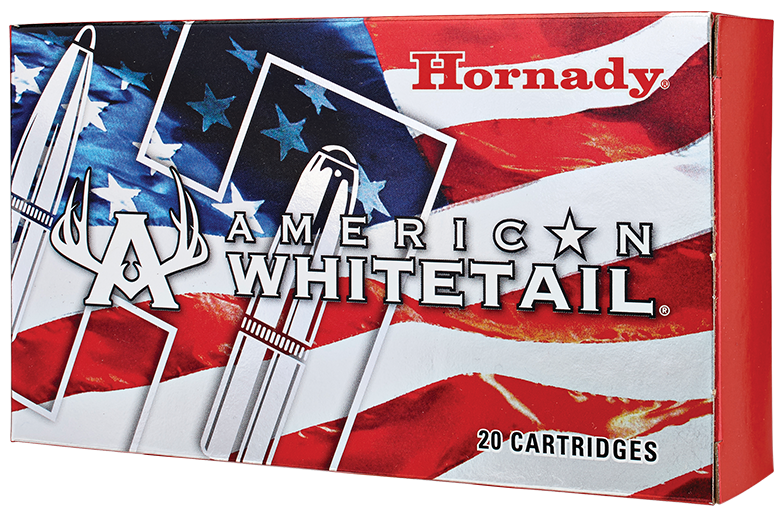
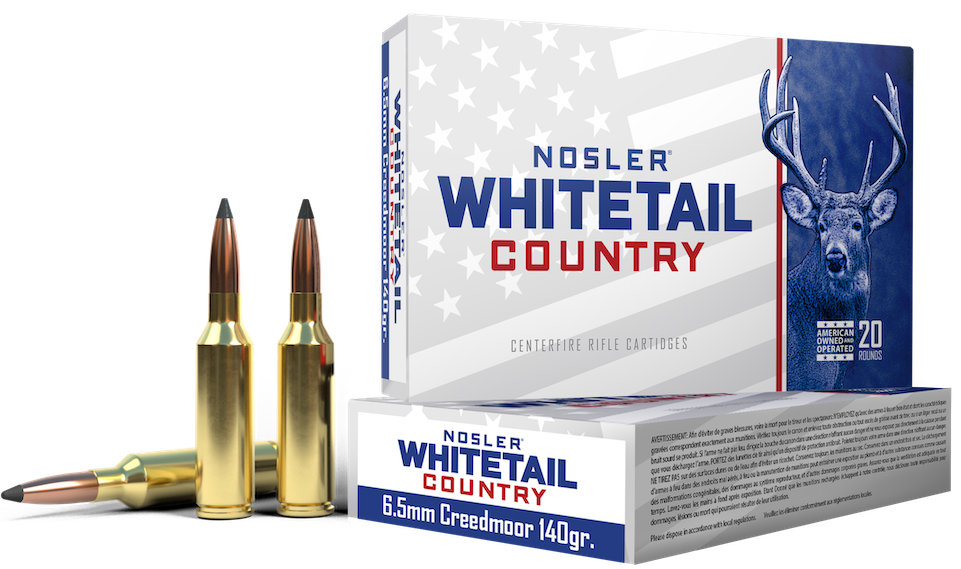 Both Nosler (above) and Hornaday (below) make ammo specifically for hunting deer
THE AMMUNITION
While ammo is considerably less expensive than either your rifle or scope, it’s not cheap these days—a box of some of the rarer calibres can set you back a C-note, if you can find them, that is. For deer-sized game, stick to ammo that offers adequate penetration and expansion without blowing up on the surface. On the flip side, bonded type bullets are not often required for deer-sized game. Simply put, you don’t want the bullet blowing up on the surface, or expending most of its energy on a hillside after a pass-though. The ideal is to find the mushroomed bullet under the hide opposite the entry.
Advertisement
Some companies design ammo specifically for deer-sized game in a variety of calibres. Nosler’s Whitetail Country and Hornady’s American Whitetail are two good examples. Grain weight can vary depending on the calibre, bullet construction and overall weight. In the smaller calibres, consider grain weights of 120 to 140. For the larger calibres, 140 to 165 grains are about ideal.
If moose or elk are on the menu,.30-06 Springfield and .300 Win. Mag ammo is readily available and offered in all sorts of grain weights and bullet construction options. Grain weights from 180 to 220 are ideal. Also consider bonded or copper mono bullets for the additional penetration they can provide on these heavy-boned larger animals. Some cartridge companies now include game size recommendations on their packaging, making for a good reference point.