


KILLER HUNTS
For an exciting and rewarding challenge, try matching wits with Canada’s top predators
Advertisement
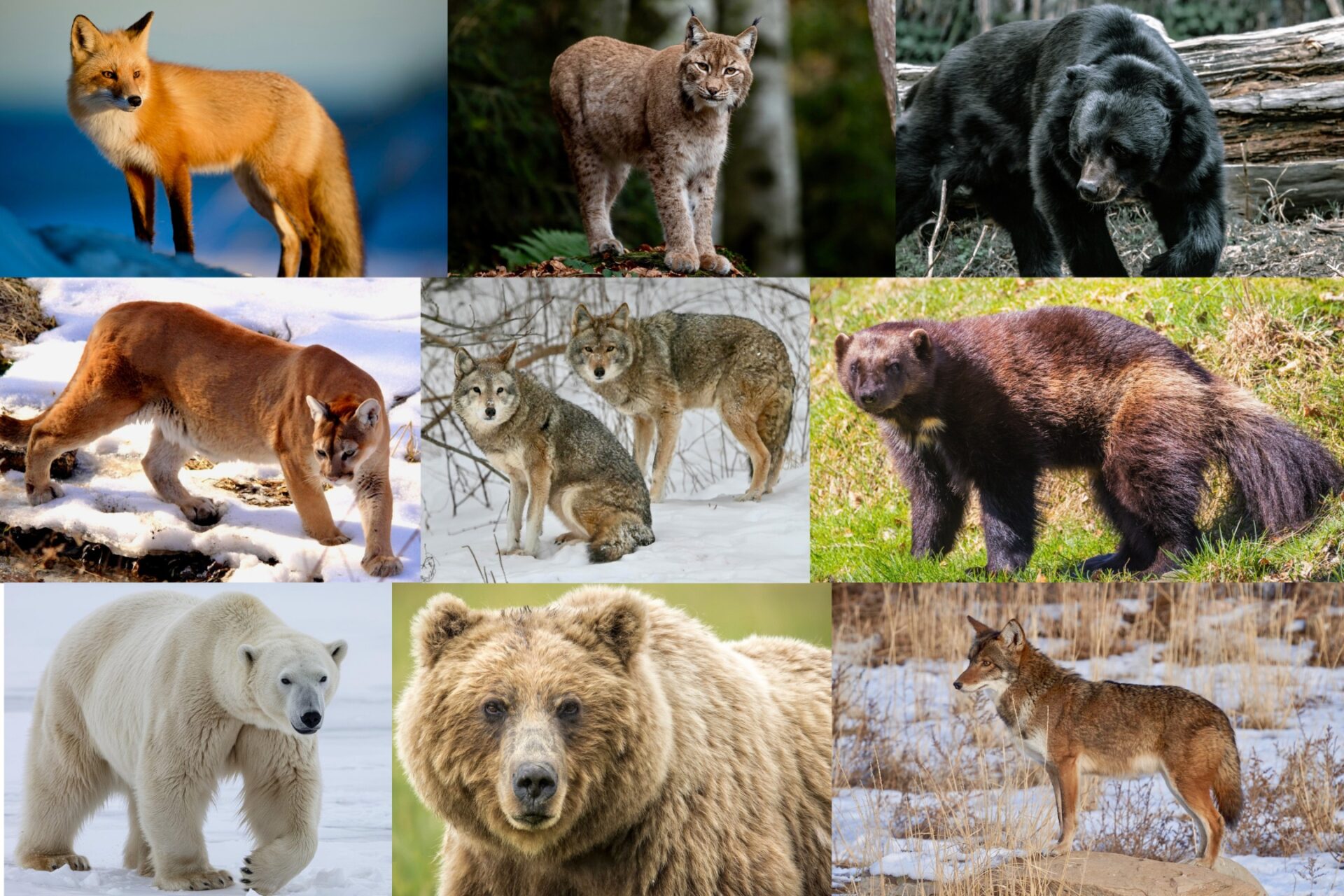
No wildlife management practice polarizes the hunting community, the non-hunting public and anti-hunters as much as the hunting of predators. The debate over whether we should be hunting predators goes back to the earliest days of expansion in Canada, particularly in the West as settlers embraced farming and ranching. Viewed as a menace, grizzly bears and wolves were eliminated from the prairies, cougars were largely extirpated from vast areas across the country, and coyotes were relentlessly poisoned. Virtually every carnivore, big or small, was seen as a threat and paid the price.
Advertisement
That all changed with the emergence of the modern preservationist movement. It confidently stated that wildlife can’t be categorized as either good or bad, and that all animals play a vital role in maintaining the balance of nature. Then as the public became increasingly urbanized and distanced from the natural world, uninformed people began to view predators in a somewhat romantic light, as symbols of the wilderness that should be protected at all costs. Of course, we know it really isn’t that simple. Predators are part of a complex natural web that ebbs and flows in response to a broad array of variables, from urban and industrial expansion to weather patterns to local prey populations and more.
Unfortunately, we’ve seen examples where predator hunting has been eliminated in some jurisdictions due to largely uninformed political reasons. Thankfully in much of Canada, predators can—and should—be hunted when and where there is demand, and wherever populations are sustainable under a managed hunting regime. And take it from me, hunting predators can be as exciting and challenging as hunting gets—and with plenty of options.