


LEECH LOGIC
Not fond of leeches? These patterns will have you loving them
Advertisement
FLIES
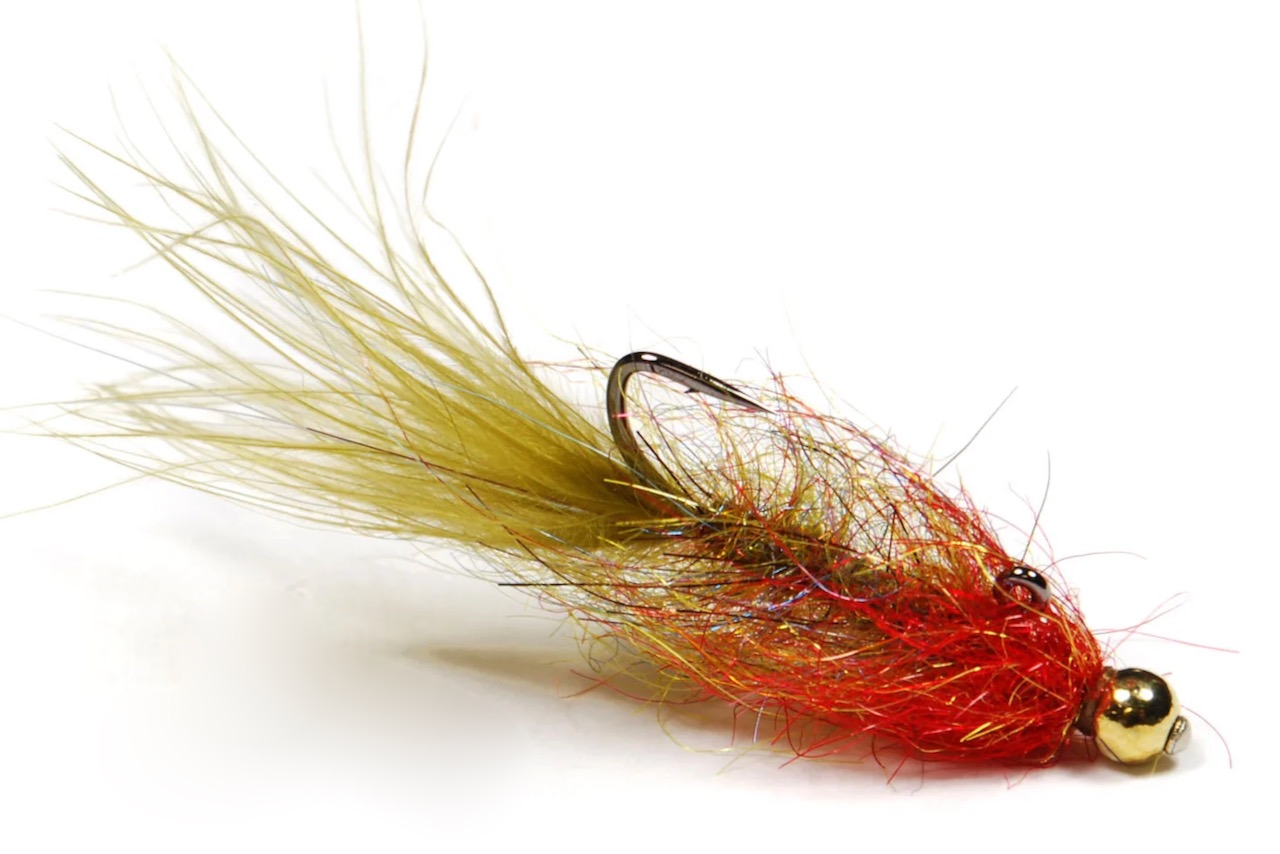
Clearly, every fly angler should have a few leech patterns, and most already have at least one—the Woolly Bugger, one of the world’s most popular flies. With its swishy marabou tail and slightly chunky body, it mimics leeches well. The Bead Head version, which sinks faster and swims with a slight jigging motion, is even better.
Advertisement
The Bugger is always viable, but you may want to specialize, depending on where you are, and what you’re fishing for. Fly tiers have been busy creating a whole world of leech flies, for example, ranging from micro leeches to large patterns made with rabbit strips or articulated sections.
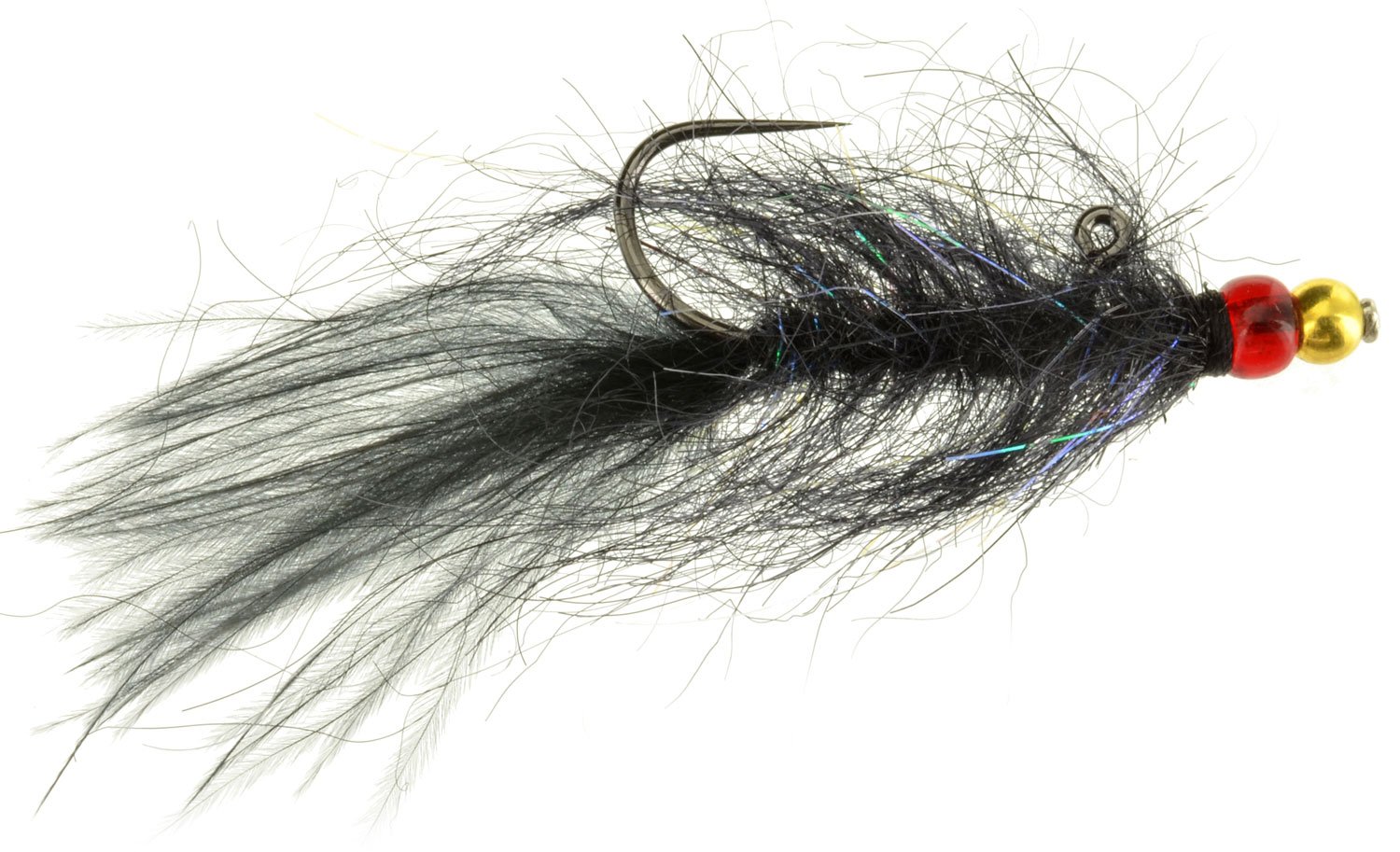
One recent variation worth considering, especially if you fish lakes or ponds for trout, is the highly unconventional Balanced Leech. It’s essentially a Bugger, but tied on a jig hook, with a very odd addition: a tungsten bead extending from the hook eye on a straight pin or wire. This places the tie-in point toward the middle, with the bead at the front balancing the weight of the hook at the back. As a result, the fly sinks and swims with a perfectly level profile, more like a natural leech.
FISHING
While almost every fly angler has chucked a Woolly Bugger at some point, many don’t realize how versatile leech patterns actually are, with many presentation options. In rivers, the easiest tactic is to swing them like a wet fly. That is, cast across and quarter downstream, letting the fly swing across the current on a tight line. You can also dead-drift them like a nymph, bouncing near bottom, with or without an indicator.
Advertisement
In ponds or lakes, on the other hand, simply cast out a leech pattern and let it sink, then retrieve it slowly and steadily with occasional pauses. Again, you generally want it fairly close to bottom where natural leeches typically lurk. If the fly isn’t heavily weighted, a sinking or sink-tip line can help get it down. Stillwater is also where the Balanced Leech shines. Rig it under a strike indicator, cast it out, and just let it sit there, with the wind or very slow lake current moving it around. If you’re like me, and lack the patience for this, you can give the fly little twitches, and even slowly retrieve it.
Whether you intend to swing, drift or simply float them around on a teeny bobber, leech flies really are must-haves for the well-stocked fly box. Just try not to think about how the naturals make you feel, and focus on how much the fish love ’em.
Advertisement