


DOG SENSE
SNOW TOES
Advertisement
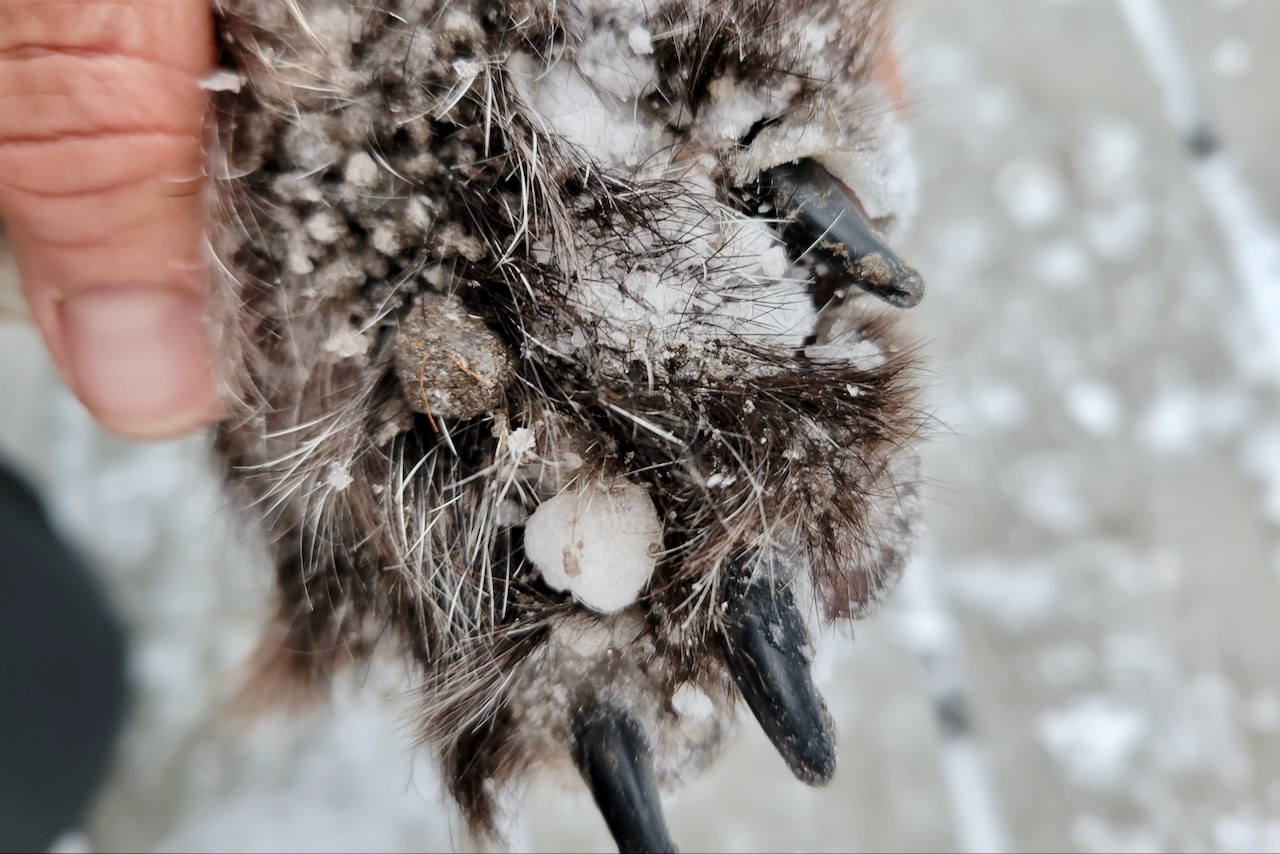
While snow accumulating in the pads of your dog’s feet can easily turn to painful ice balls, the only clue it’s happening is often simply a change in the dog’s stride. If left in place, the ice can bruise, cut and tear the dog’s toes and webbing, so it’s important to keep your pooch’s paws ice-free over the winter. Here’s how to make that happen.
Advertisement
THE PROBLEM
Ice balls build up between a dog’s toes and paw pads when snow sticks to the fur between the toes. Body heat melts the snow, which in turn refreezes, with dirt sometimes compounding the problem. A dog chewing its paws is a sure sign this is happening. After ice forms, the chunks bruise the soft tissues while sharp crystals cut into the pads—imagine walking with a twoonie-sized rock in your shoe. At first, the dog will feel slight discomfort, but as the ice balls grow, the dog will begin to alter its gait, and limp. It will have less traction, too, affecting its overall performance. Prolonged exposure can also lead to frostbite. Dogs such as golden retrievers, springer spaniels and poodles are most prone to the problem, with the long hair on their feet providing the perfect anchor to hold snow.
THE FIX
Advertisement
Prevention is relatively easy. Start by trimming the long hair on your dog’s paws, using clippers or blunt-end scissors. Short nails also help reduce snow accumulation. Next, apply a barrier wax such as Musher’s Secret to the paws to create a barrier that prevents snow from sticking. Apply the balm before you head out, then again when you return to help condition the paws. Also after the hunt, remove any accumulated snow from the paws, then dry them and check for cuts. Note that dog boots can provide a physical barrier for the paws, but snow can still get packed in the cuffs and freeze the dog’s ankles.