


CARVING A NICHE
Who are the big names in waterfowl decoys, and what makes their blocks so valuable? An insider’s guide for collectors and the curious alike
Advertisement
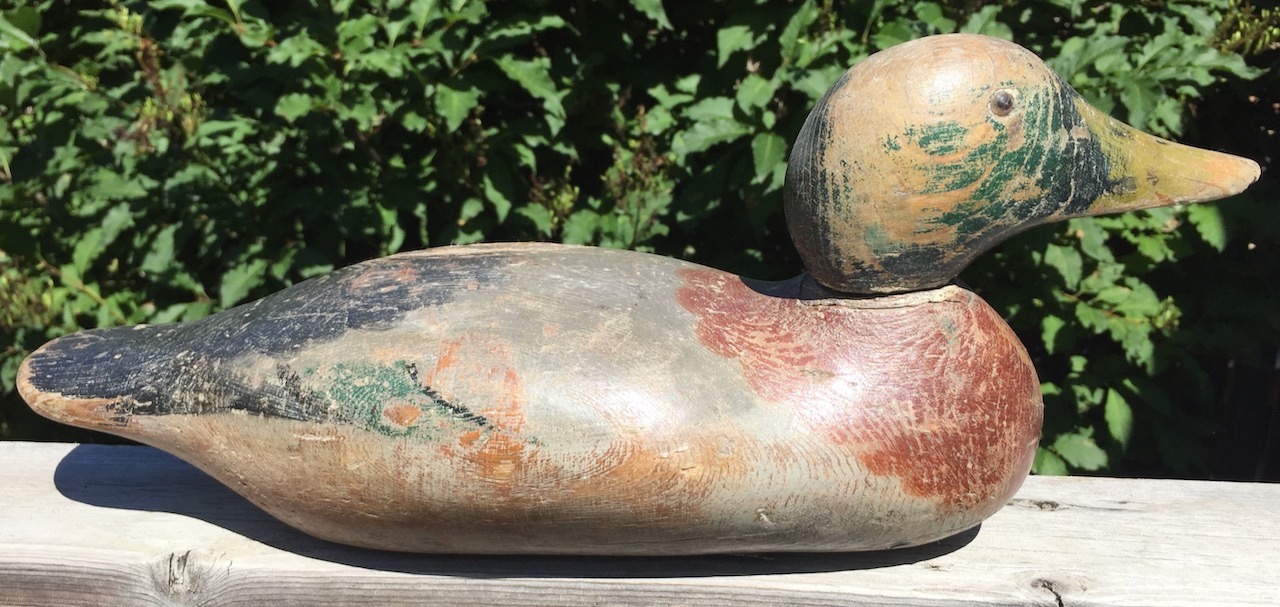 A standard grade Mason mallard decoy (photo: Brian Short)
FACTORY BLOCKS
During the late 1800s and into the first third of the 1900s, numerous commercial decoy manufacturers emerged to meet the growing demands of hunters, including market gunners. Hundreds of factories were established, though only a few achieved significant market success.
Most were concentrated in the Detroit region and, thanks to lathe duplicators, they pushed out decoys by the thousands and shipped them all across North America. Among the most popular decoys—and now the most collectible—were those made by Jasper N. Dodge, Walter Evans, Norris Pratt, George Peterson and, notably, William J. Mason.
Advertisement
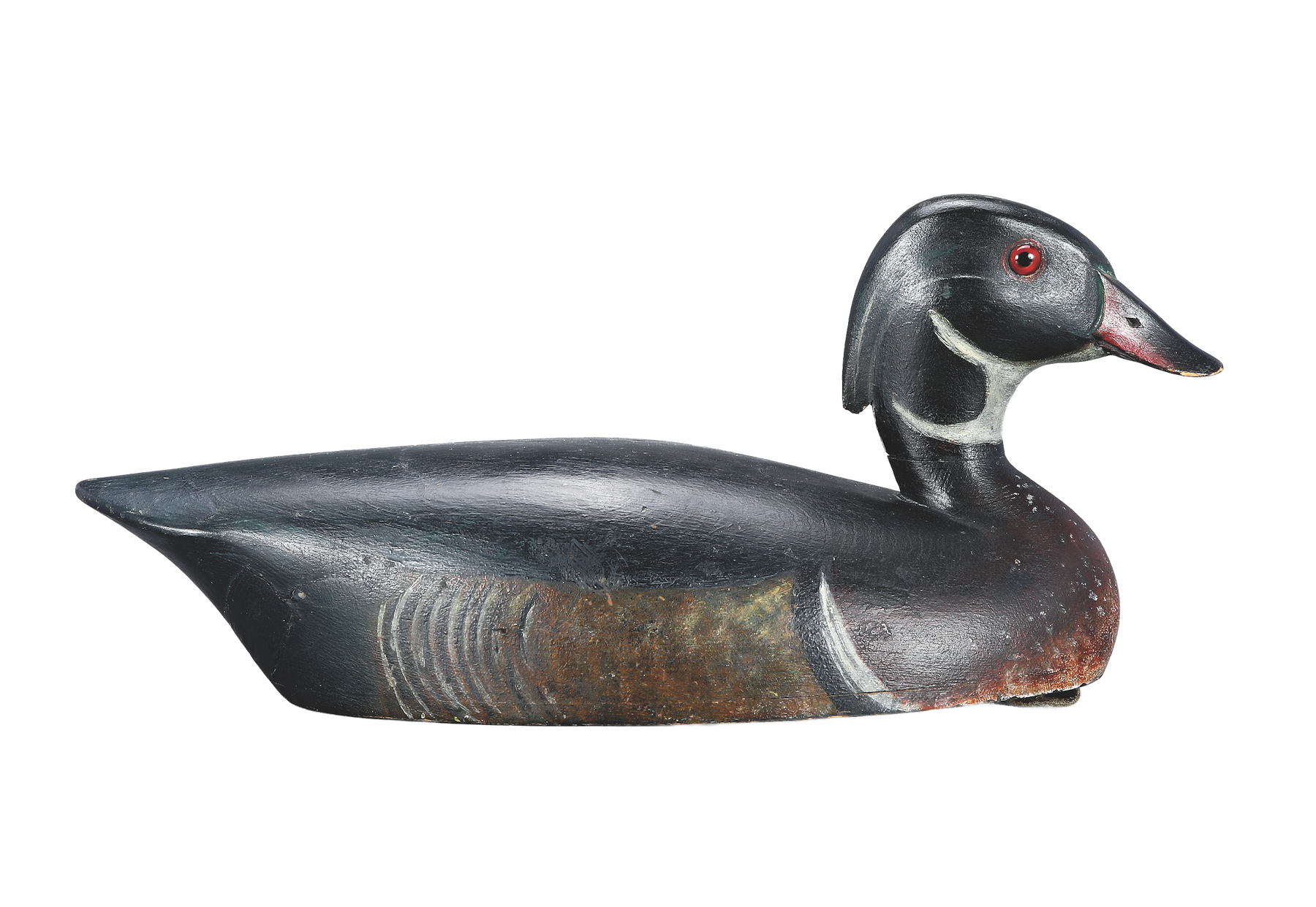
The Mason decoy factory operated from 1895 to 1924, making five grades of decoys—Premier, Challenge, Standard, Tack Eye and Painted Eyes—all of which are sought after by today’s collectors. Depending on their condition and how rare they are, Mason decoys can be purchased for as little as $100, or command as much as several $100,000. In 2000, for example, a Mason Premier-grade wood duck sold at auction for US$354,500.
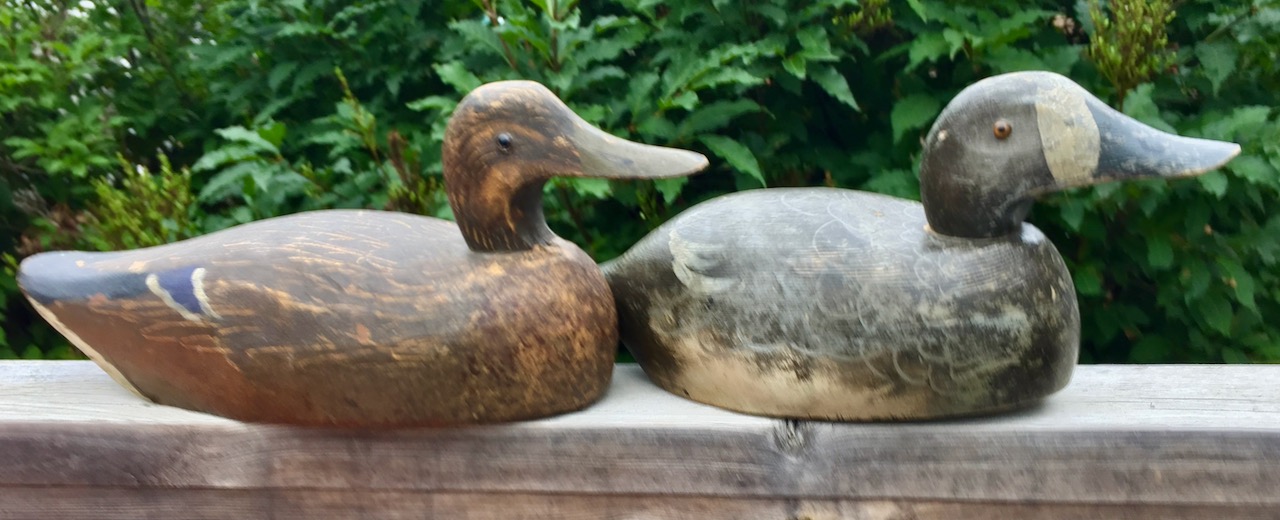 Peterborough Canoe Company decoys (photo: Brian Short)
The most important of the few Canadian factory decoys originated from the Peterborough Canoe Company. Based in Peterborough, Ontario, it began producing decoys after the Second World War, when the emergence of more affordable aluminum and fibreglass canoes rendered their cedar strip and canvas canoes less competitive.
Today, factory-made blocks remain a meaningful part of decoy collecting as a hobby. Made by the tens of thousands, they’re plentiful and available, yet still represent the functional, artistic craftsmanship that inspired so many to start collecting in the first place.
Advertisement