

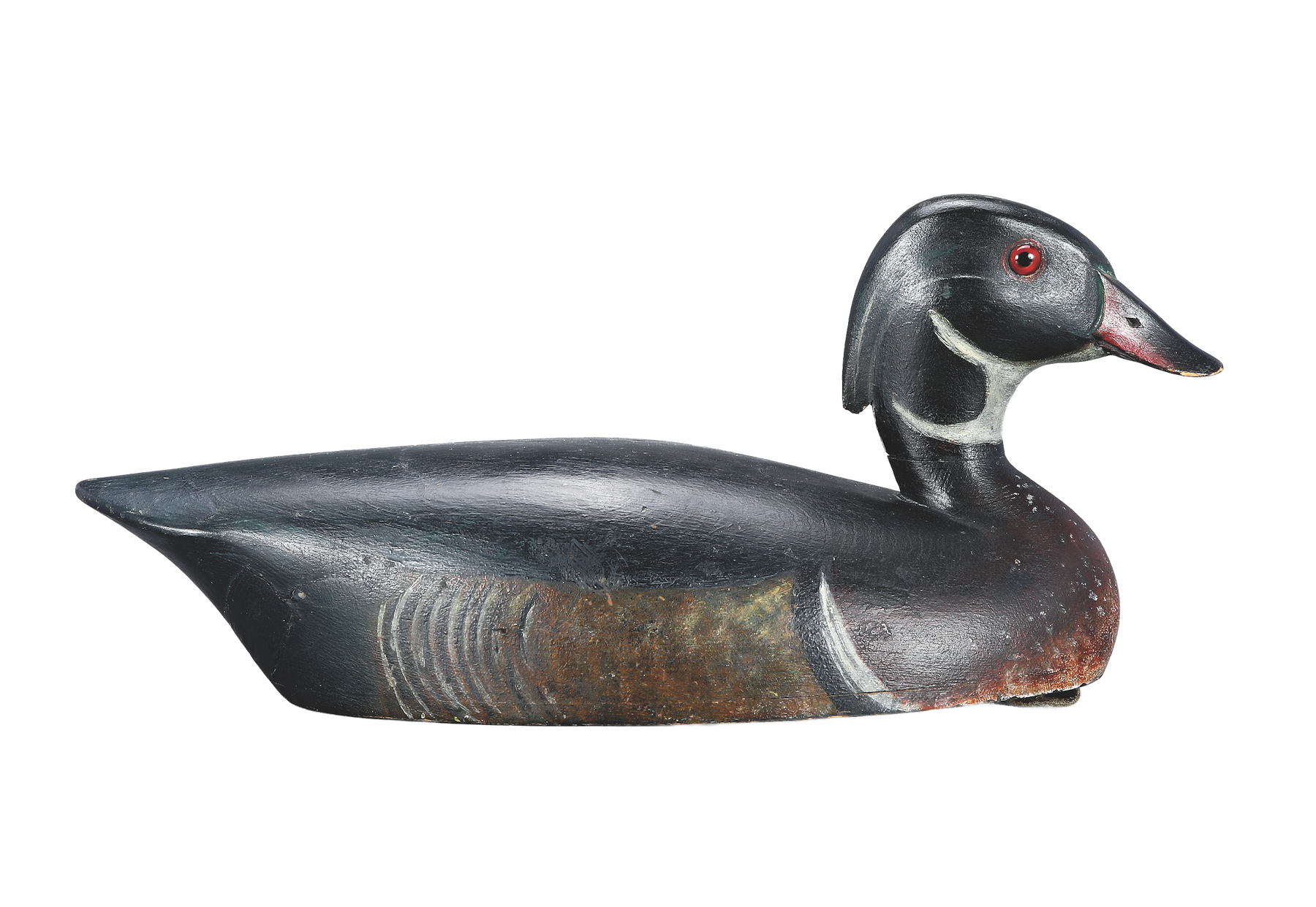

CARVING A NICHE
Who are the big names in waterfowl decoys, and what makes their blocks so valuable? An insider’s guide for collectors and the curious alike
Advertisement
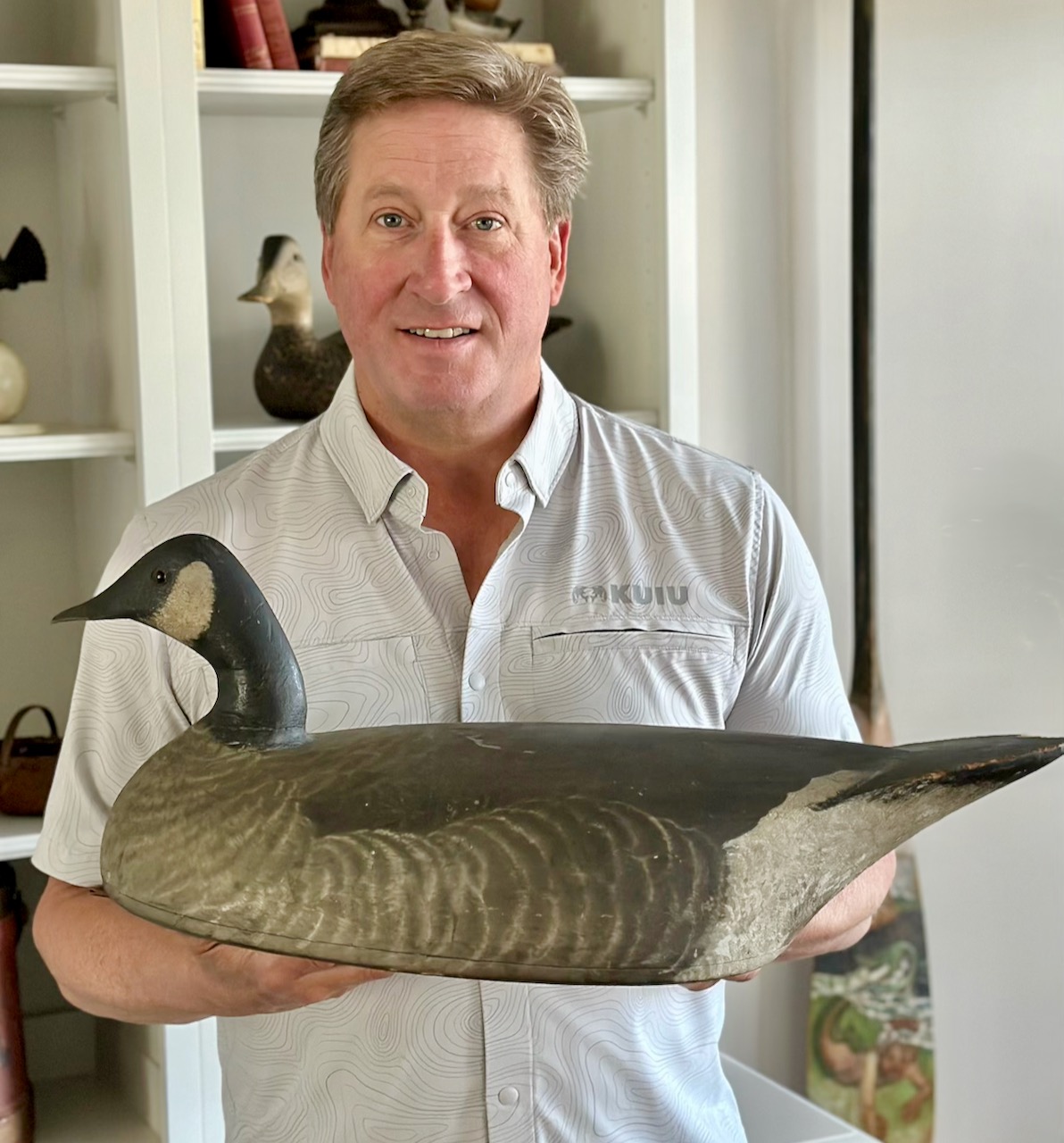 Auction house owner Jon Deeter
TODAY’S MARKET
As with many collecting hobbies these days, there no longer seems to be as many young people taking up the pastime. “I think that the younger generation just isn’t as interested in antiques or collectibles, though there are certainly exceptions to that rule,” observes Brian Short. “I suspect many younger people find it economically prohibitive to spend money on a collectible.”
Based on auction trends, however, it doesn’t appear values are waning significantly, especially for the most desirable decoys. “While the value trend is variable, for the most part I would say overall prices are not as strong as they were 10 years ago,” says Short. “The best decoys, however, are still holding their value, or increasing.”
Advertisement
Auctioneer Jon Deeter concurs. “Decoys have survived better than any other collectible in the last five to seven decades,” he says. For those interested in exploring the world of decoy collecting, a great resource is the Canadian Decoy and Outdoor Collectibles Association.
First learn all you can about collecting decoys before spending any money
Providing a nexus for Canada’s decoy-collecting community, the association hosts an annual convention, and its website is chock full of information for collectors of all ages and experience levels, as well as for those wishing to learn more about the hobby (see www.canadiandecoy.com). While many Canadian decoy collectors deal with fellow collectors to build their collections, there are plenty of decoys for sale online, and you can still find the odd gem via estate auctions, antique shops and thrift stores. Those looking for the most in-demand decoys, meanwhile, tend to follow the established decoy auction houses, in particular Guyette & Deeter and Copley Fine Art Auctions.
Advertisement
Deeter encourages those who want to collect decoys to first learn all they can about the hobby before spending any money. He suggests attending local decoy shows, checking out social media and joining a club or one of the many Facebook groups dedicated to the hobby. He also recommends closely watching auctions as a way to better understand current values—his company holds three major public auctions each year, as well as a weekly online auction.
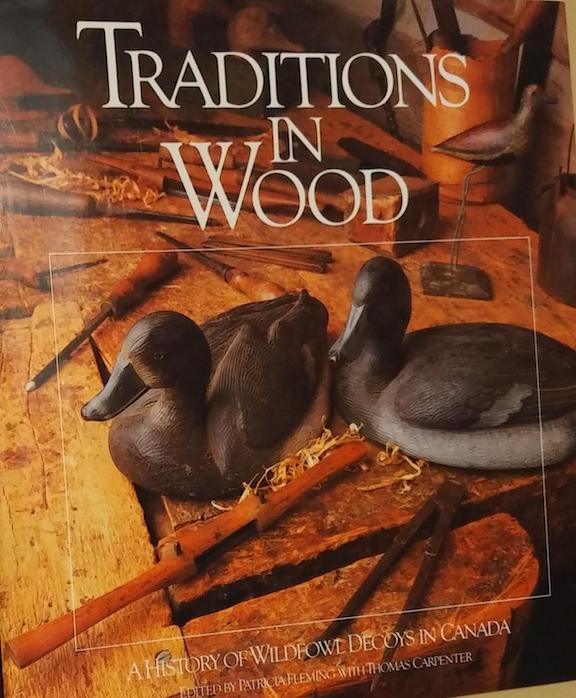
There have been many fine books written on the subject, but the bible on Canadian waterfowl decoys and collecting is undoubtedly Patricia Fleming’s 1987 treatise Traditions in Wood (above), which features numerous colour photographs. I’ve owned a copy for years, and still turn to it on those cold winter nights when I need a little reminder about Canada’s rich waterfowling history.