

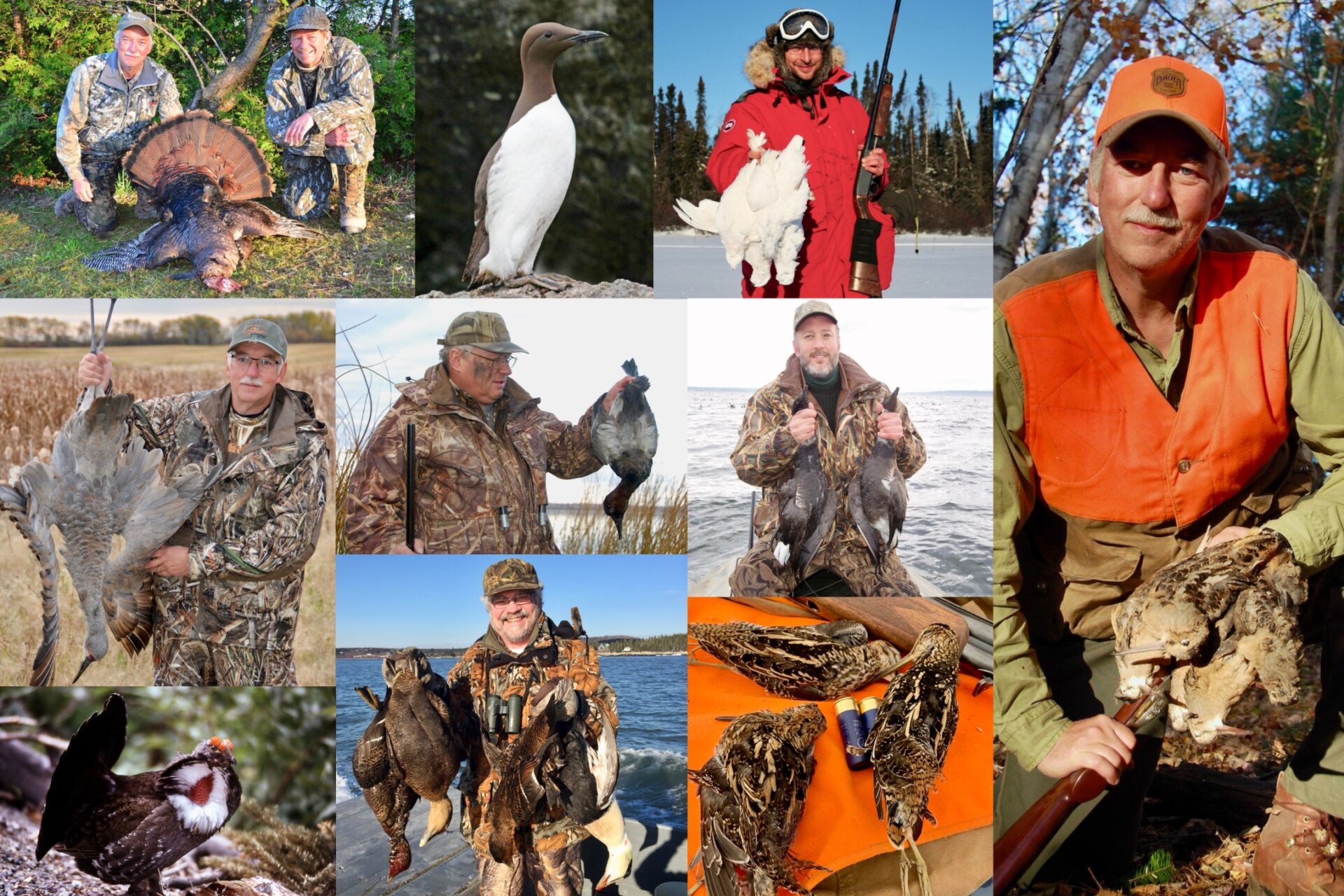

BUCKET-LIST BIRDS
From blue grouse to sandhill cranes to woodcock, these 10 species are more than worthy of any wingshooter’s attention
Advertisement
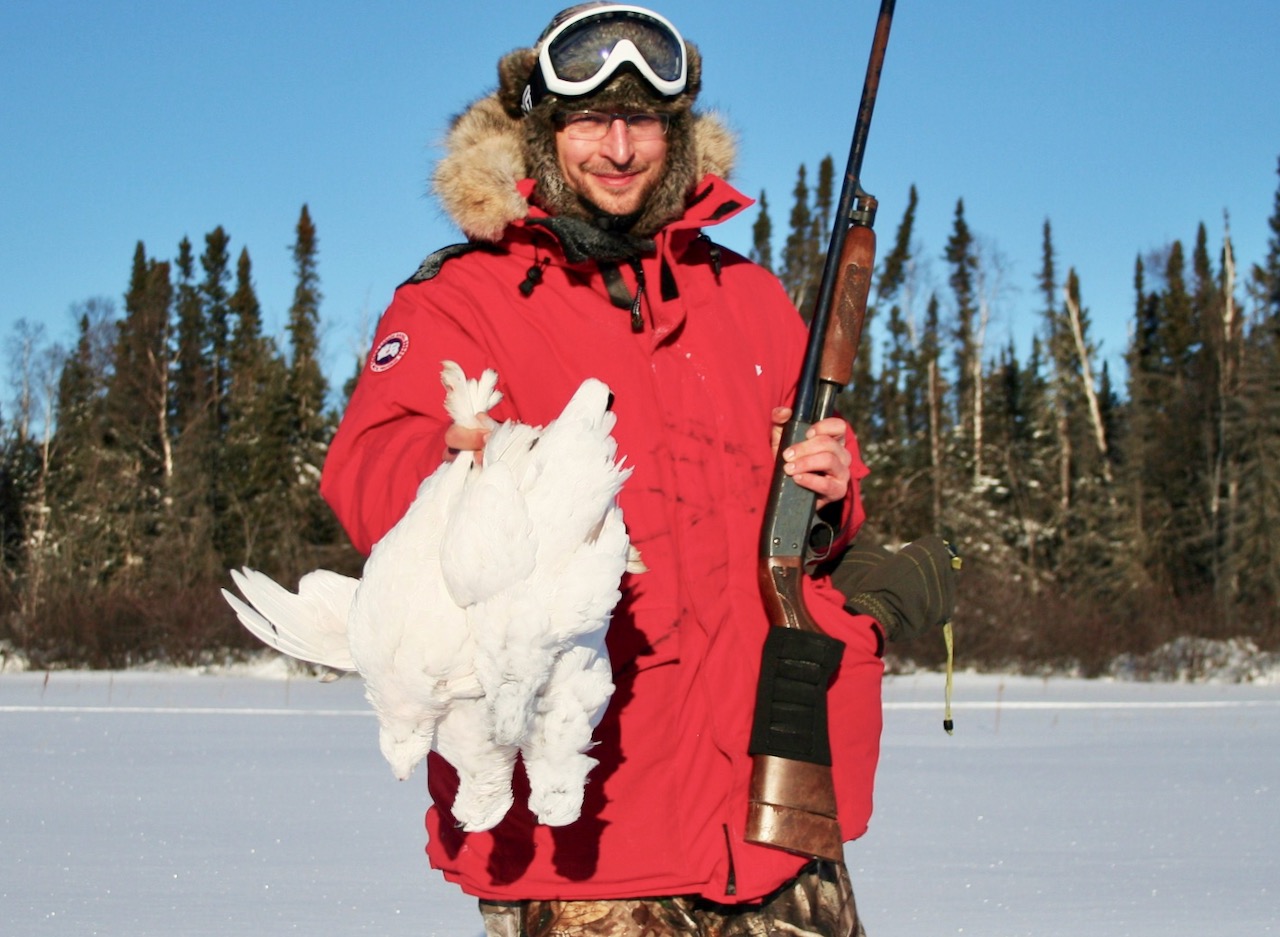 Ptarmigan inhabit beautiful landscapes (photo: Adrian Skok)
#5 PTARMIGAN
It’s the places they call home that make ptarmigan an interesting and desirable bird to hunt. We have three species in Canada. The willow ptarmigan can be found in tundra and alpine habitats from Newfoundland west to B.C., and north into the High Arctic. The rock ptarmigan has a similar distribution, though it prefers higher, drier, less-vegetated country. The white-tailed ptarmigan, meanwhile, is a high-altitude bird, restricted largely to the mountains of B.C., southwestern Alberta and the Yukon, as well as the N.W.T.’s Mackenzie Mountains.
Each species is defined by its feathered toes and significant white colouration. While they adopt an overall mottled brownish colour during the summer breeding months, they retain their white wings all year round.
Advertisement
Typically, ptarmigan are not a difficult bird to hunt; their generally unsuspecting nature means you can often get within shotgun range before they flush. It’s not the challenge, however, that makes ptarmigan hunting one of our top wingshooting experiences. After you squeeze the trigger, stop for a moment and take a look around—you’ll find yourself smack dab in the middle of Canada’s most beautiful and remote landscapes.
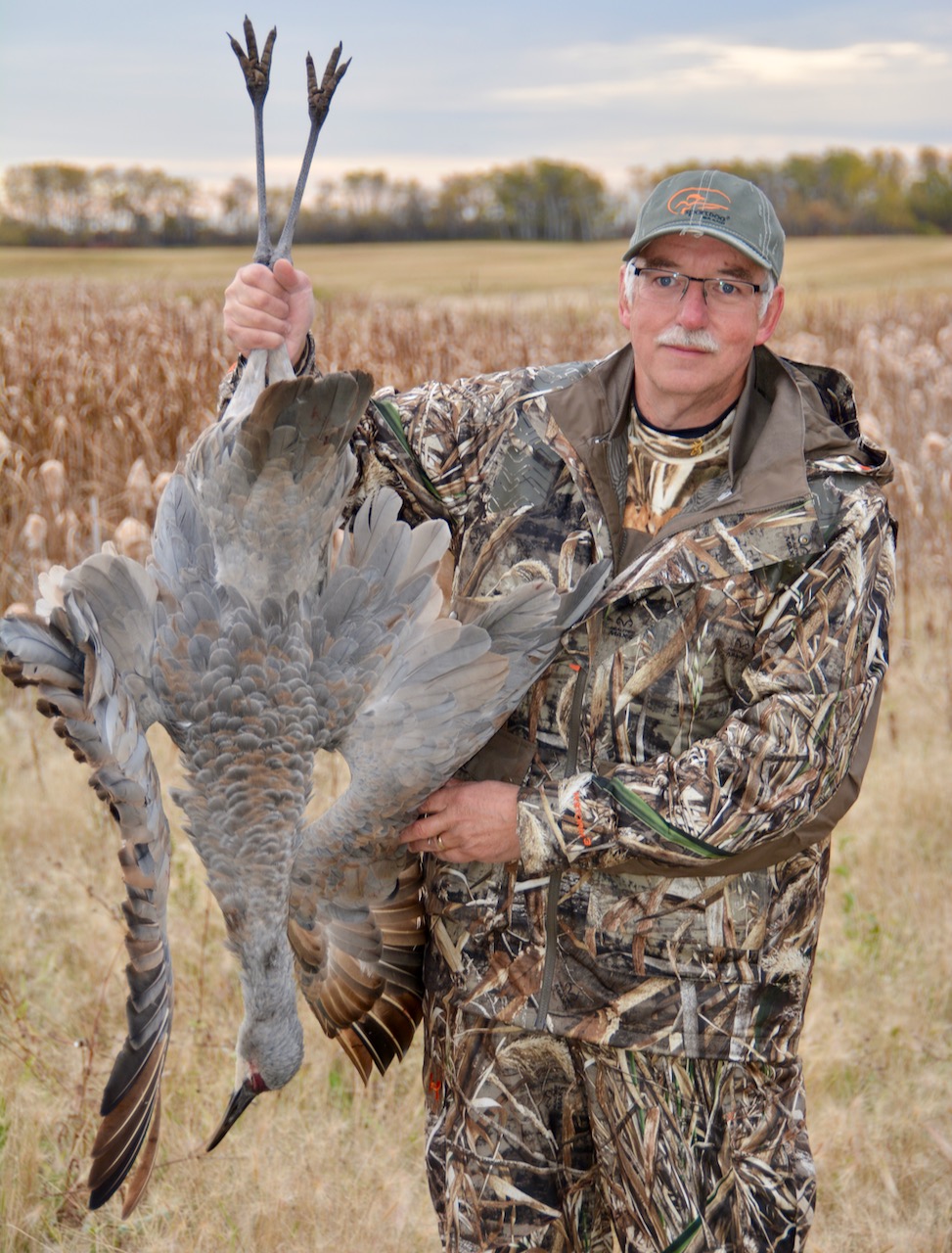 Sandhills make for delicious table fare (photo: Ken Bailey)
#6 SANDHILL CRANES
Some hunters refer to these odd-looking birds as pterodactyls, and not entirely without reason. Beyond their somewhat prehistoric appearance, sandhill cranes are among our oldest bird species, dating back some 2.5 million years. Owing to their long neck, bill and legs, you can be fooled into thinking sandhills are awkward, but on the wing they’re strong and graceful—and incredibly challenging to hunt. They also hold legendary status as fine table fare, particularly the sub-adults.
Pass-shooting and decoying are the two most common hunting tactics. With pass-shooting, you scramble to get under their flight path as the birds travel from their watery night roost to a feeding field. This entails using whatever fencelines, hedgerows, treelines and hay bales you can find for cover.
Advertisement
Hunters who prefer to use decoys recognize that cranes have exceptional eyesight, making it essential for blinds to blend into the background. You don’t need a lot of decoys—a couple dozen will do—but the full-bodied versions make a huge difference. Be sure to quickly retrieve any downed birds; unlike geese and ducks, cranes will often avoid your spread if they see dead birds on the ground.
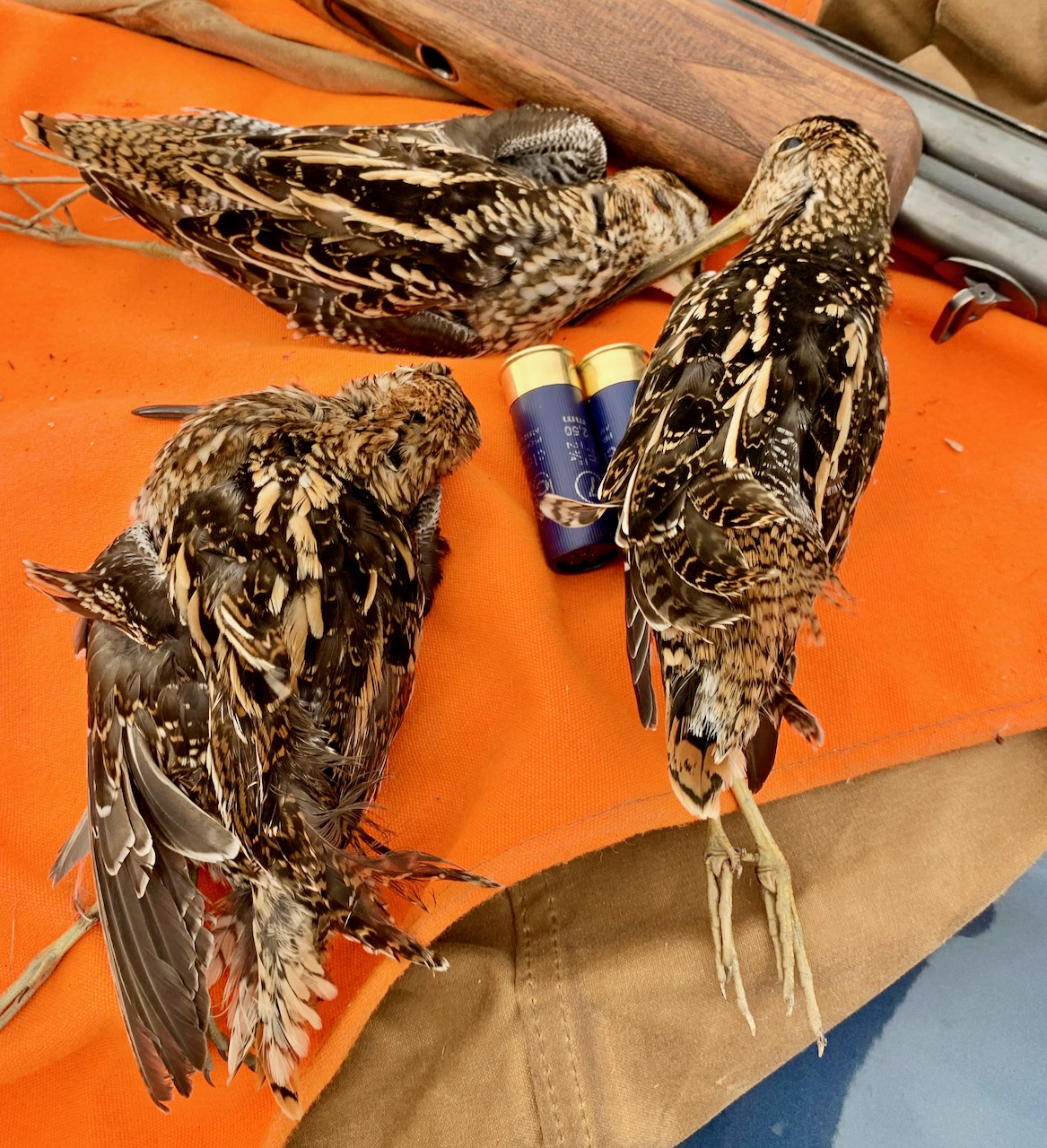 Snipe can test your wing-shooting skills (photo: Ken Bailey)
#7 SNIPE
At one time, snipe were a commonly hunted bird species in Canada, but for reasons I don’t fully understand, they’ve pretty much fallen off the menu for most wingshooters. Mention a snipe hunt to most folks, in fact, and they’ll likely think of that legendary prank where a dupe is tricked into trying to catch a non-existent animal called a snipe.
In my estimation, that’s not fair to snipe, as they’re truly worthy—and real—adversaries that can test the mettle of even the most avid gunner. A migratory species found in every Canadian province and territory, snipe are most often hunted by walking through damp or shallowly flooded grass or sedge flats, where they forage for worms. Exhibiting the nerves of a cat burglar, they’ll often hold tight, allowing you to walk right past them. When they do flush, however, they announce their departure with a distinctive “scaipe” sound before twisting and turning low to the ground. Resist the urge to shoot right away—their zigging and zagging is totally unpredictable—as they’ll soon lift skyward, and that’s when you want to take them.
For many, one of the challenges of hunting snipe is being able to differentiate them from other small, long-billed shorebirds. Just know you won’t find snipe in small flocks on mudflats. Instead, they’re usually found as singles, and occasionally pairs, within cover.