


BUSTING THE BUCK MYTHS
Are these buck blunders blowing your hunt?
Advertisement
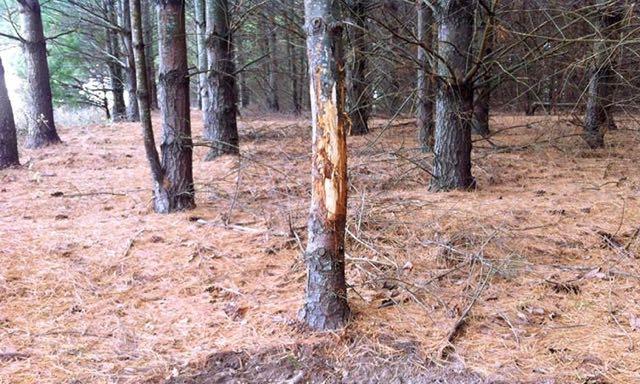
Myth #4 Only large bucks will rub on large trees.
Many hunters believe that a rub on a large tree is a sign there’s a large buck in the area. That’s partly true, but you can’t always take it to the bank—bucks of all ages will rub on both large and small trees. It’s generally true that large bucks will initiate rubbing on larger trees, but smaller bucks will often rub on the same trees, unable to resist the opportunity to leave behind their calling cards.
Advertisement
Remember, bucks don’t intend to rub their antlers on trees, but rather the small scent glands on their foreheads between their eyes and the base of the antlers. This way, they leave behind scent to advertise their presence and warn other bucks in the area. And while large bucks will often rub large trees, don’t assume rubs on smaller trees were only made by smaller deer—mature bucks will also often rub on saplings and smaller trees.
Myth #5 You’ll scare deer away if you urinate near your stand.
You don’t want a buck to catch you in the act, of course, but study after study has shown deer don’t appear to associate the odour of human urine with a predator. Nor does the unique chemical-based odour trigger a flight response. It’s been documented, in fact, that deer can actually be attracted to the smell of urine from any number of creatures. In one experiment captured on video in the early 1990s, deer were shown to be attracted as much to human urine or straight ammonia as they were to natural or artificial deer urine-based attractants. The bottom line? You can leave that pee bottle at home
Myth #6 Hunting over scrapes is the best way to find a big buck during the rut.
The truth is, bucks tend to make and visit scrapes much more often before and after the peak of the rut than during this prime period. It makes sense when you think about it: When most does are ready to breed, dominant bucks are too busy tending to them to spend time checking scrapes. Rather, it’s in the pre- and post-rut periods that bucks are much more vigilant about checking and freshening scrapes in an effort to find receptive does.
Advertisement
A fresh scrape does indeed signal there’s a buck in the area, but don’t waste time hunting over it unless it’s on a well-travelled deer trail. There should also be an overhanging branch that allows the buck to deposit scent from his forehead glands. Even then, it may be days before the buck revisits the scrape, if ever. While there’s always value in hunting bucks when you know you’re on their home turf, a scrape is rarely the spot on the spot we all wish it were.