

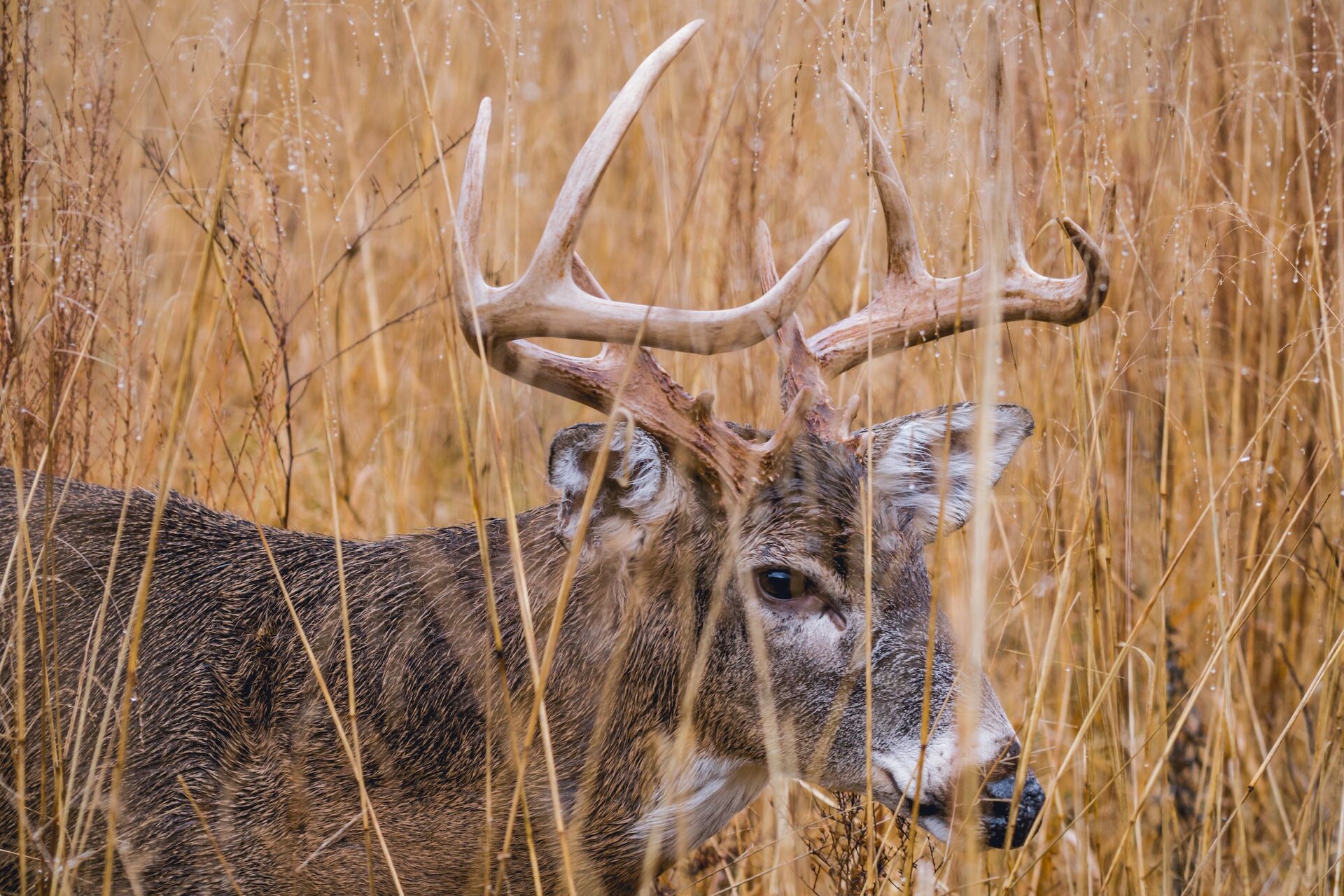

WET-WEATHER WALL-HANGERS
Rainy days often offer the best chance to connect with giant white-tailed bucks. Here’s how to ensure a full freezer is in your late-fall hunting forecast
Advertisement
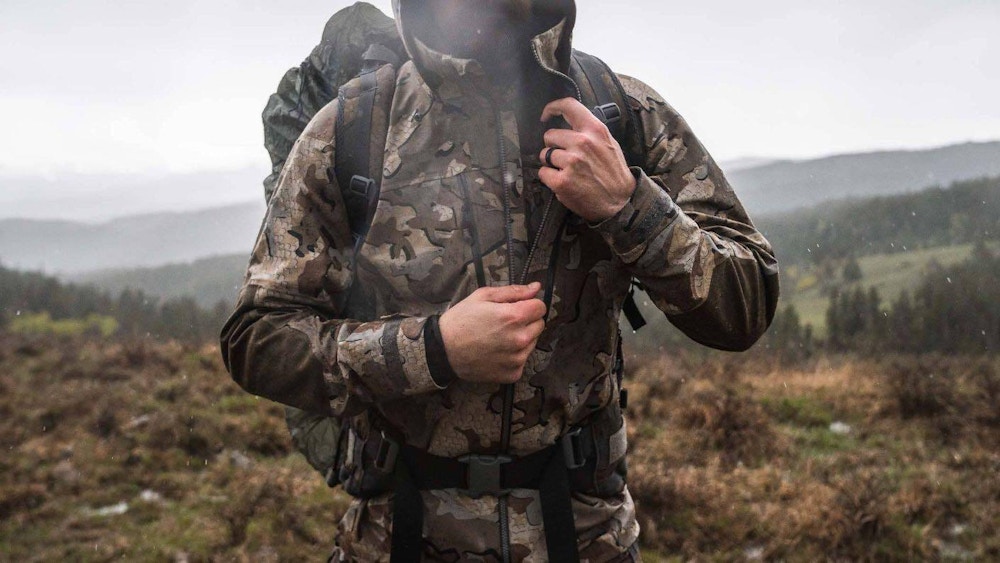 Photo: Kuiu
BONUS TIPS: BUCKS AND THE BAROMETER
Another weather event that increases the odds of intercepting whitetails takes place in the hours before and after a significant rain- or snowfall, when deer can sense the dramatic drop or rise in barometric pressure. Here are five ways the barometer influences their behaviour.
- When the barometer drops as a low-pressure front approaches, deer can sense the change and rush out to feed before the coming adverse weather impedes their senses and locks them in their beds.
- Other than during the frenzied rut, the best time to hunt is when a high-pressure system advances following a significant rain- or snowfall. Deer can sense the weather is improving, and take advantage of it to recover lost feeding time. They especially target the last hour of daylight after a rainy day, so make sure you’re at the ready and in position before the rain stops.
- Stable high pressure, meanwhile, leads to predictable behaviour, with the deer most active at dawn and dusk. On those blue bird days, focus on travel corridors between bedding and feeding areas during the early morning and late evening.
- As for days with low pressure and light precipitation, the deer become more comfortable and feed for longer periods.
- Finally, low pressure combined with heavy rain or snow causes deer to bed down until the system passes. Once the weather begins to break, hunt the edges of the bedding areas.
RAIN READINESS
There are several ways to remain comfortable and ready for action when you’re spending hours in the wet countryside—and it all starts with proper planning.
Advertisement
SHELTER
Build a small roof above your stand before the season begins, or invest in a waterproof ground blind. A pop-up placed in the right spot can make sitting for hours in the rain a breeze. Not only does a blind hide most of your movement, it also helps contain your scent. Wherever you set up your blind, always tuck it into the edge of cover to break up its outline, even if the fabric is camouflage. You’re hunting on a big buck’s home range, after all, and he’ll immediately spot something new and out of the ordinary. If you hunt on the same property throughout the fall, set up and tie down your rainy-day blind weeks ahead of time so the deer become conditioned to it. If it’s a newly purchased blind, set it up in your backyard for a week or two to air out the strong plastic smell before introducing it to your sacred whitetail woods.
APPAREL
Advertisement
Quality clothing is essential for keeping you dry on rainy days, especially if you won’t have the sheltering comfort of a ground blind. Start with a merino wool base layer—unlike cotton, the beauty of wool is that it can retain warmth even when wet. As for a rainsuit, opt for breathable material that will control sweat and prevent chills. If your raingear isn’t keeping you warm, get up and go for a 20-minute walk; if the discomfort persists, call it a day. Also wear insulated, scent-free rubber boots and quality waterproof gloves.
ACCESSORIES
Carry a compact waterproof backpack holding a variety of important items, including field-dressing tools, fire starters, hand and foot warmers, a fully charged headlamp, a spare hat and an extra layer of lightweight, packable clothing for changing conditions. I also carry a compass, as it’s easier to become disorientated in inclement weather.
OPTICS
Quality weather-resistant optics with anti-fog lenses are ideal. Even still, be extra careful not to breath on your scope lens when lifting your rifle or crossbow to take aim, as it can quickly fog up during high-humidity hunts. To that end, be sure to also bring microfibre lens wipes.