

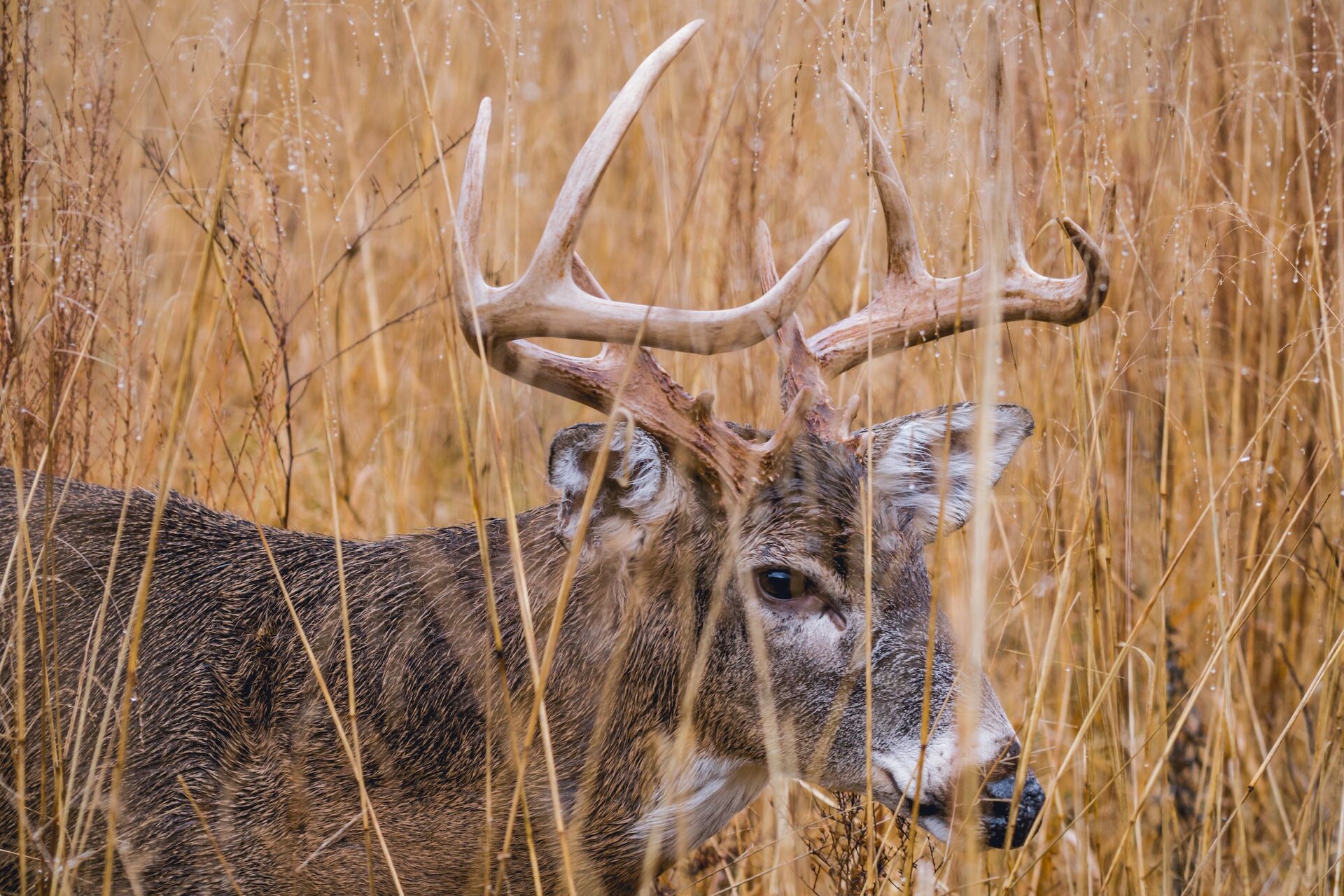

WET-WEATHER WALL-HANGERS
Rainy days often offer the best chance to connect with giant white-tailed bucks. Here’s how to ensure a full freezer is in your late-fall hunting forecast
Advertisement
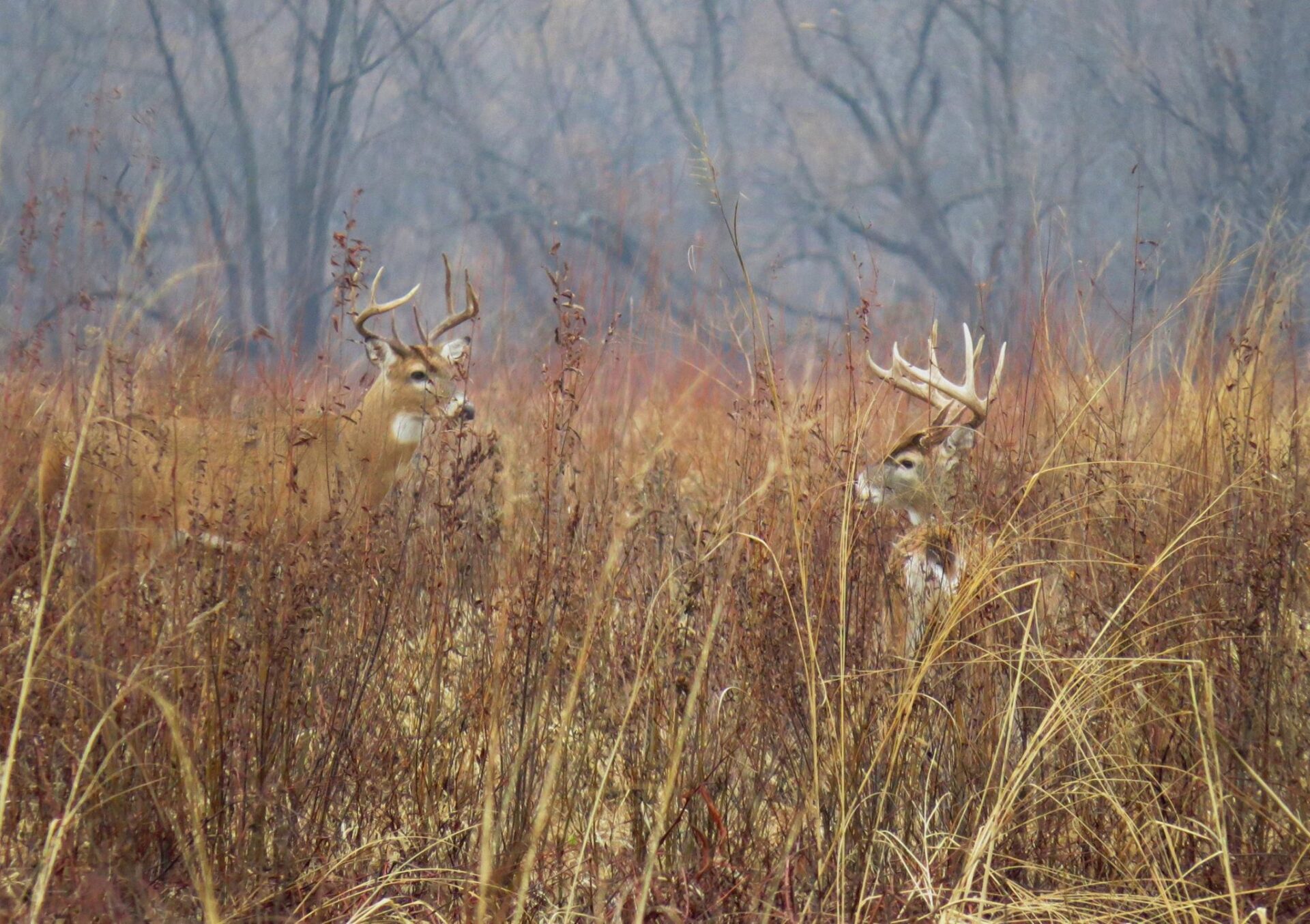 Tip 8: Foggy days (photo: Flickr/Jessica Bolser/USFWS)
#6 COOLER DAYS
Rainy days are typically cooler in the late season, which leads to more deer activity than in warmer, dry conditions.
Advertisement
#7 MIDDAY ACTION
Days of drizzle allow you to sneak closer to deer bedrooms, increasing the chances of spotting bucks from mid-morning through to mid-afternoon as they stretch their legs and forage for longer periods.
#8 FOGGY DAYS
Advertisement
With fog dampening sound even further and limiting visibility, big bucks feel safer moving about more during daylight. That makes foggy mornings a good time to visit your trusted whitetail pinch point—as the fog lifts, the deer should still be feeling secure and moving about as they feed. Since sightlines get compromised during inclement weather, wear high-visibility clothing when walking to and from your set-up, especially if other hunters are in the area. Also know your surroundings and be sure of what’s beyond your target, as thick fog can obscure objects as close as 40 metres away.
#9 RAIN VOLUME
Hunting in light rain with minimal wind is the preferred scenario, masking your scent and noise as the deer move about more freely. When heavy rain pelts the landscape, however, deer will hunker down and limit their movement. If that happens, focus your hunt after the downpour subsides and deer movement spikes.
#10 STORM WATCH
Expect increased deer movement and feeding activity just before and after a wet weather system moves through your hunting area. Monitor your weather app, because those are ideal times to make sure you’re on your stand (also see “Bucks and the barometer”).
#11 EXTREME WEATHER
Some weather conditions, such as heavy wind, rain or snow, should be avoided, as you’re more likely to educate deer than harvest them when the situation isn’t ideal. Also steer clear of hunting in a forest during windy days due of the risk of falling limbs or trees.
#12 HOT SPOTS
You’ll have a greater chance of spotting bucks sneaking across a field edge or through an apple orchard on a wet day, but you’re still most likely to find them where they feel least exposed. If wary bucks have a favourite daytime food source that’s located in a secretive part of their range, they’ll always opt for that instead of exposing themselves unnecessarily in the open. The perimeters of bedding areas are good places to target, as well. If it’s been a dry year, meanwhile, also focus on secret watering holes, beaver ponds or just below beaver dams, all of which attract deer and create excellent funnels for rainy day movement.
#13 FAVOURITE FOODS
Before or after a strong low-pressure system, hunting over high-energy food such as corn, soybean, winter wheat or acorn-laden oaks can be just the ticket to spot a monster buck. That also applies to just before the thermometer plunges during cold fronts.
#14 FROSTY MORNINGS
Scope south-facing slopes on rainy mornings when there’s also a cold snap. There’s a good chance deer will relocate from their sheltered beds, often in thick conifers, to southerly exposed hillsides to soak up the warmth of the sun.
#15 RUT BEHAVIOUR
If the rut is still on, will bad weather shut it down? Definitely not. Deer mating season is dictated by the decreasing hours of daylight, not weather or temperature. Yes, deer are more active on cooler days than warm ones, but if there’s a doe in heat in the neighbourhood, there’s always the opportunity for action under any weather condition.