

AUTUMN ACTION
To catch more fall fish, you need to adjust your entire approach
Advertisement
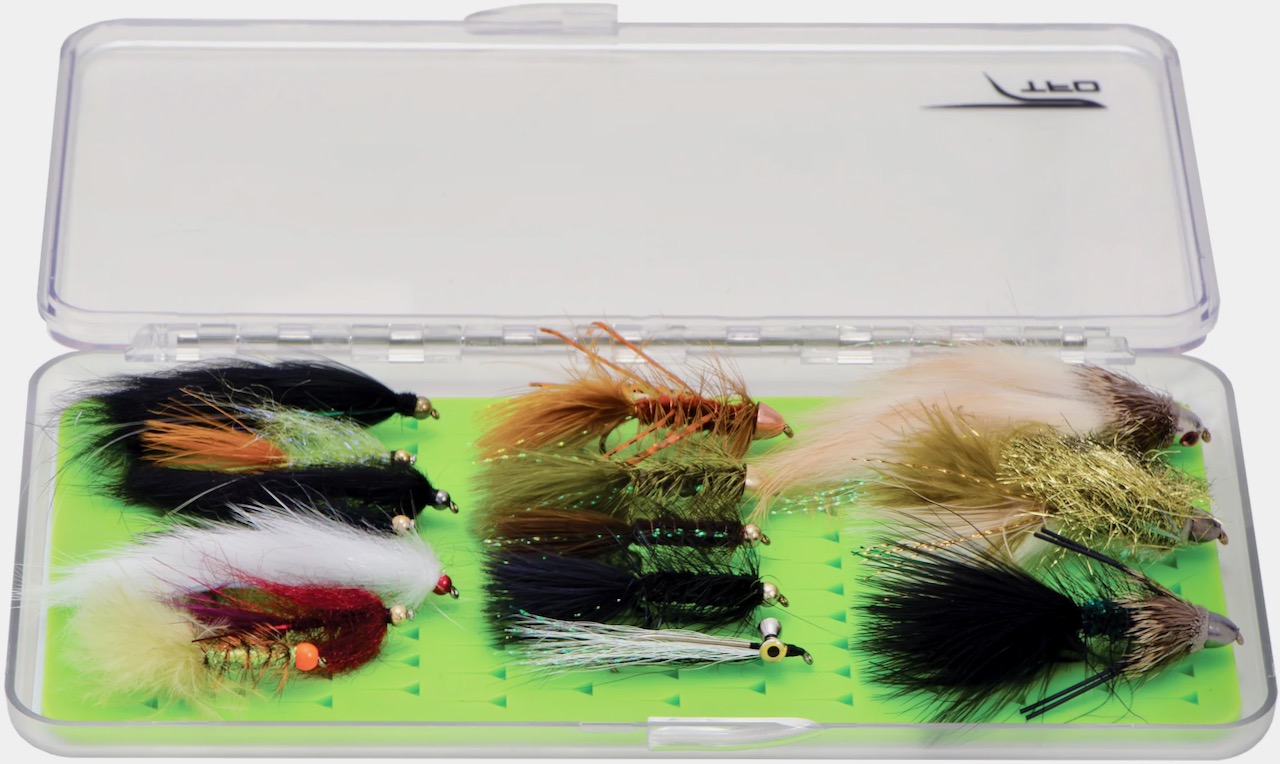 Streamers can help locate active fish (photo: TFO)
#2 FORAGE
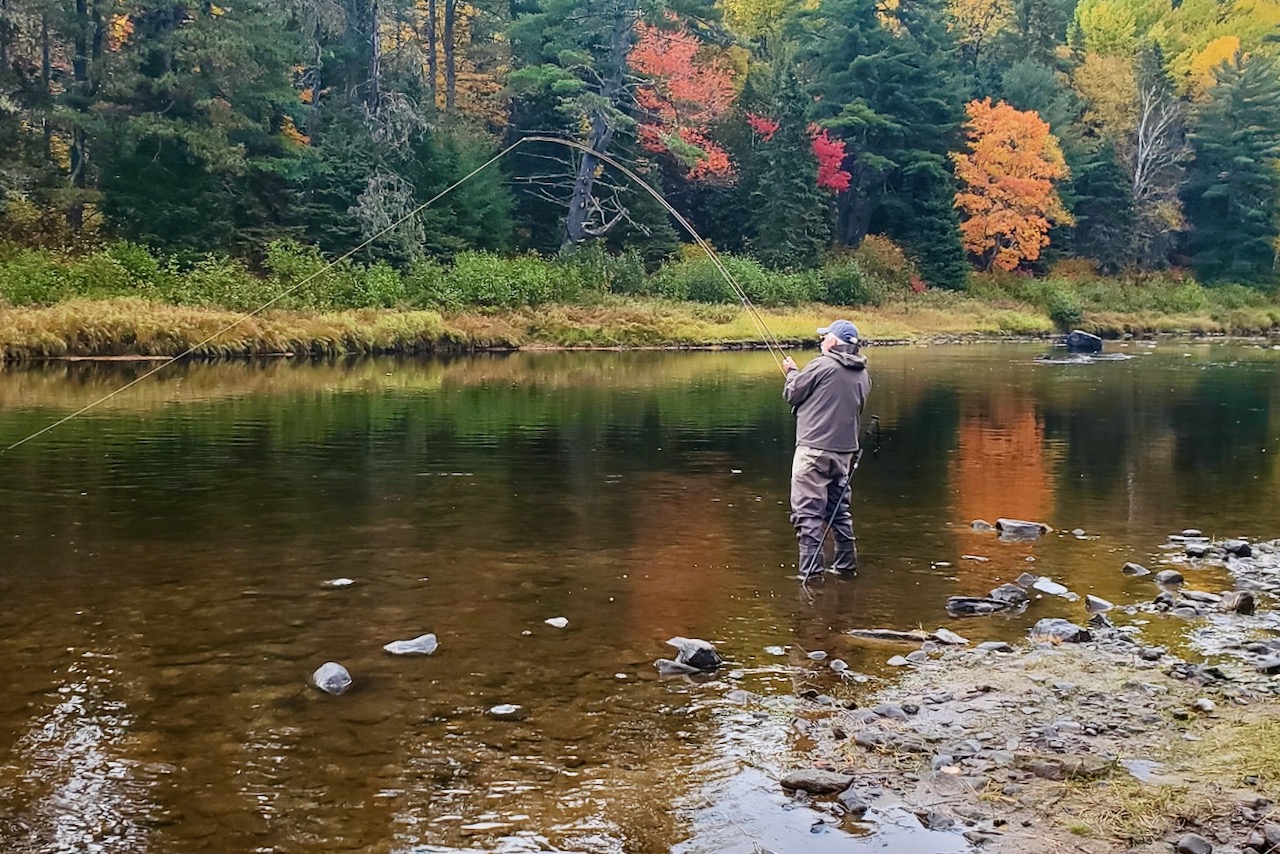
Our common fly-rod species exhibit distinct fall patterns, which savvy fly anglers can exploit. River trout, for one, are getting ready to spawn, becoming territorial and aggressive toward anything entering their domain. They abandon some of their usual caution, making them vulnerable to well-presented streamers and attractor patterns. A proven daily plan is to start with streamers to locate active fish, then switch to nymphs or wet flies for feeding fish in runs and pools. Also keep a few dry flies ready in case you find one of those magical midday fall hatches. Egg patterns are handy, too, especially if fish are already spawning.
Meanwhile, warmwater fly species such as northern pike and bass enter feeding overdrive, gorging themselves before the cold months arrive. This is the perfect time to pull out big, bold flies, and fish them with aggressive retrieves.
Advertisement
#3 TACTICS
With fall’s temperature drop, forage changes and lower sun angles influencing their position, the fish may not be where you found them in the summer. That means staying mobile and systematically covering water. There’s no rule, but I like using streamers and wet flies as search tools to quickly eliminate unproductive water. If a promising run doesn’t produce, just move on, as fall’s shorter days don’t allow for the luxury of working a spot exhaustively. With the fish being less selective, the good news is you don’t have to get precious about your presentation, letting you work quickly.
A final key to remember is that although fall fish are hungry, the more challenging conditions mean they can’t afford to work too hard for food. So, as autumn progresses, they generally move deeper and seek gentler currents. When the fish aren’t where you expect to find them, it’s tempting to think they’ve disappeared—but they’re usually just in the nearest spot that meets their evolving needs.
Trout often abandon fast, oxygenated riffles for adjacent runs and tailouts, where they can conserve energy and stay close to food. Bass and pike will exhibit similar behaviour, sliding into deeper water as temperatures drop, but staying close to summer food sources.
Advertisement
Those migrations mean adjusting your presentation with heavier, more visible flies, extra weight or sinking lines to reach the new haunts. The depth adjustment isn’t dramatic, and often just a few feet makes the difference between a viable meal and one that’s not worth the fish’s effort.
In fact, “small but significant” is a good theme for all of these autumn adjustments. The transition into fall isn’t a sudden upheaval—it’s a steady shift away from summer patterns. Recognizing this, and adjusting your tactics accordingly, can help you finish strong before hanging up your gear for the season.
Advertisement